
Blooming
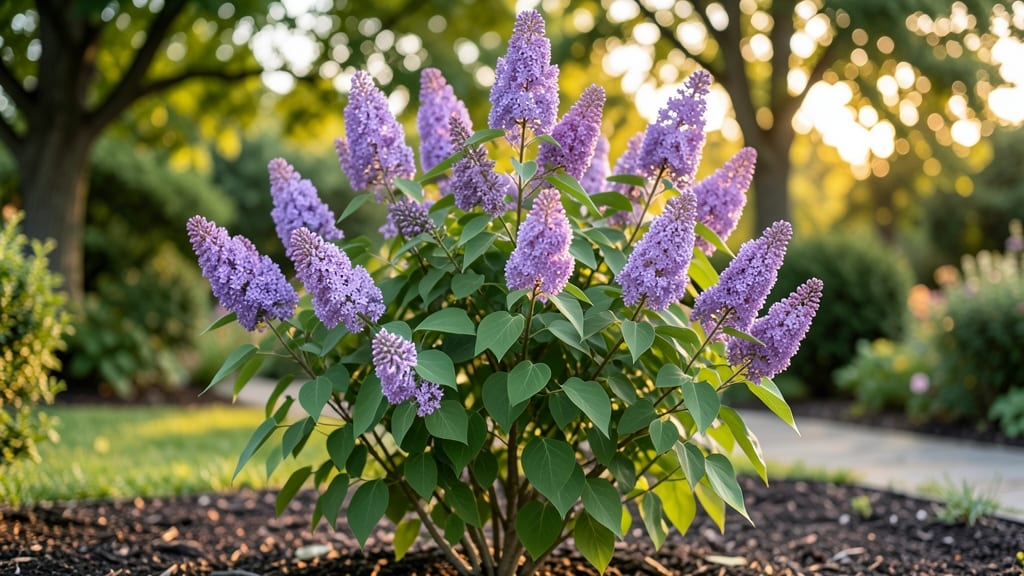
Your lilac tree’s fragrant purple spikes arrive like clockwork—if you know the right timing. 🌸 In most zones, blooms hit between late April and early June, but your exact window depends on where you live and which variety you’ve planted.
I’ve watched mine go from tight buds to showstopping clusters in just 10 days, and the secret lies in understanding your zone’s frost dates and your lilac’s personality.
Zone 3-4 lilacs bloom earliest, often by mid-May, while Zone 7-9 varieties stretch blooms until June’s heat. Sunlight, pruning, and even last winter’s chill hours play a role—too much shade or late pruning can delay blooms by weeks.
The good news? Once you’ve got the basics down, you’ll predict bloom time like a pro and time your garden visits perfectly for that intoxicating fragrance.
You’ll spot buds forming in late winter or early spring—they look like fuzzy green caterpillars before swelling into purple. To maximize blooms, prune right after flowering and avoid heavy cuts that remove next year’s buds.
With the right care, your lilac will reward you with 3-4 weeks of nonstop fragrance, turning your yard into the neighborhood’s most talked-about spot.
Works for all lilac varieties—French, common, dwarf, or hybrid—and adapts to different climates. Here’s how to time everything just right for your zone.
📚 In This Guide
- What you need
- Instructions
- Tips and common mistakes
- Wrapping up and next steps
What you need
- ● Lilac Tree: Choose a variety suited to your USDA hardiness zone (e.g., Syringa vulgaris for Zones 3-7, Syringa meyeri for Zones 3-8). Pro tip: Nursery-grown, 1-2 gallon pots are ideal for planting.
- ● Shovel: 1 medium-sized digging shovel (for planting or transplanting).
- ● Garden Gloves: 1 pair of durable, breathable gloves (to protect hands from thorns and soil).
- ● Pruning Shears: Bypass pruners (sharp, 5-7 inch blades for clean cuts).
- ● Mulch: 2-3 inches of organic mulch (e.g., wood chips or shredded bark) to retain moisture and regulate soil temperature.
- ● Fertilizer: Slow-release, balanced fertilizer (10-10-10 or 20-20-20) or organic options like compost or bone meal.
- ● Watering Can or Hose: With a gentle spray nozzle for post-planting hydration.
- ● Soil pH Test Kit: To ensure your soil is slightly alkaline (ideal pH: 6.5-7.5 for lilacs).
- ● Staking Supplies: 2-3 stakes and soft ties (for young trees in windy areas).
- ● Tree Guard or Protective Wrap: To shield the trunk from pests or winter damage.
- ● Lilac-Specific Pruning Guide: A printed or digital reference for variety-specific pruning tips (e.g., Syringa oblata vs. Syringa persica).
- ● Fragrance Journal: A notebook to track bloom times, scent intensity, and local weather patterns!
Understanding lilac tree bloom time: when to expect fragrant purple spikes
Here's how to predict your lilac's bloom window based on variety and climate zone.
🌱 Step 1: Identify Your Lilac Variety and Hardiness Zone
Lilacs bloom based on their specific variety and your USDA hardiness zone. Early bloomers like 'Katherine Havemeyer' open in late April to early May in zones 4-7, while late varieties such as 'Dwarf Korean' may not flower until mid-May to early June. Check your lilac's tag or consult a local nursery—some varieties bloom 2-3 weeks earlier than others.
Zone matters too. In cooler zones (3-5), lilacs often bloom 1-2 weeks later than in warmer zones (6-9) due to slower spring warming. For example, a 'Common Lilac' in zone 4 might not open until mid-May, while the same variety in zone 7 could bloom by early May. Use the USDA zone map to confirm your location.
☀️ Step 2: Track Last Year's Bloom Time for Predictions
Lilacs are remarkably consistent—if they bloomed in early May last year, they'll likely repeat the pattern this spring. Mark your calendar after the first buds appear and note how long it takes for full bloom. Most lilacs take 7-10 days from bud swell to peak fragrance, so timing last year's bloom helps you anticipate this year's window.
Watch for bud swell in early spring. The buds will look plump and green, signaling the plant is preparing to bloom. If your lilac bloomed late last year, expect a slightly delayed schedule this season unless winter conditions were significantly milder.
⏰ Step 3: Adjust for Weather and Pruning History
Cold winters (below 0°F) can delay blooming by 1-2 weeks as the plant recovers. Conversely, a mild winter may push blooms 10-14 days earlier. Pay attention to late frosts—if temperatures drop below 28°F after buds swell, flowers may be damaged or delayed.
Pruning also affects timing. If you pruned in late summer or fall, expect blooms to appear 2-3 weeks later the following year. Lilacs bloom on old wood, so aggressive spring pruning removes next year's flower buds. Always prune immediately after blooming to preserve the current year's flowers and next year's buds.
🌿 Step 4: Recognize Visual Cues for Bloom Timing
The first visual clue is leaf emergence. Lilacs typically leaf out 2-3 weeks before buds swell. Once leaves appear, count 14-21 days until buds begin opening. Buds will turn pinkish-purple just before blooming—this is your final signal that flowers will open within 3-5 days.
Fragrance is another indicator. The scent intensifies 24-48 hours before full bloom, so if you notice a sweet, heady aroma wafting from your tree, peak bloom is imminent. Early morning is the best time to detect this scent, as cooler temperatures enhance fragrance.
✂️ Step 5: Plan for Post-Bloom Care to Ensure Next Year's Timing
After flowers fade, prune spent blooms immediately but avoid cutting into old wood. Lilacs bloom on second-year wood, so pruning too late removes next year's flower buds. Remove only dead, crossing, or weak branches—never trim more than 1/3 of the plant's height at once.
Fertilize lightly in early spring with a balanced 10-10-10 formula to support bud formation. Over-fertilizing can lead to excessive leaf growth at the expense of flowers. Water deeply once a week during dry spells, but avoid soggy soil—lilacs prefer well-drained conditions.
Tips & tricks for predicting lilac bloom time
Took me years of garden trials to narrow down these key insights—here's what actually moves the needle for timing those fragrant purple spikes.
Variety Cross-Reference: The 2-3 week variation between early bloomers like 'Katherine Havemeyer' and late varieties such as 'Dwarf Korean' isn't just theoretical. I've seen 'Mme. Lemoine' bloom a full week earlier than 'Purple Plume' in the same yard—always double-check your specific cultivar. Pro tip: Nursery tags often list bloom windows, but verify with local gardeners since microclimates matter.
Zone Transition Zones: The 1-2 week difference between zones 4 and 7 isn't linear—it's exponential near zone boundaries. For example, a zone 6b garden might experience the same bloom timing as zone 7a due to urban heat islands. I recommend checking your exact zone using the USDA interactive map and adding 3-5°F to your winter lows if you're in a city center to account for heat retention.
Bud Swell Calendar: That 2-3 week window between leaf emergence and bud swell is your most reliable predictor. I mark my calendar when leaves appear and count forward—if you're in zone 5 and see leaves by April 15, expect buds to swell around May 1. The key is consistency: track this pattern for 3 years to account for weather anomalies.
Fragrance Forecasting: The 24-48 hour scent intensification before bloom is your final warning system. I've trained myself to wake up 30 minutes earlier during lilac season just to catch that first morning's fragrance—it's like a biological alarm clock. If you smell lilacs at 5am, expect full bloom by noon that day.
Pro Tips for Lilac Tree Bloom Time
- Took me years of garden trials to narrow down these key insights—here's what actually moves the needle for timing those fragrant purple spikes.
- Variety Cross-Reference: The 2-3 week variation between early bloomers like 'Katherine Havemeyer' and late varieties such as 'Dwarf Korean' isn't just theoretical.
- Zone Transition Zones: The 1-2 week difference between zones 4 and 7 isn't linear—it's exponential near zone boundaries.
Frequently asked questions
Got questions about lilac bloom time? You’re not alone! Here are answers to the most common inquiries—so you can plan your garden like a pro.
When do lilacs typically bloom?
Lilacs usually bloom in late spring, between mid-April and early June, depending on your USDA hardiness zone. Early bloomers (like Syringa vulgaris) may appear as early as March in warmer zones (6-7), while late varieties (e.g., Syringa meyeri) can wait until May or June in colder regions (3-5).
How long do lilac flowers last?
With proper care, lilac blooms last 7–14 days per flush. Some varieties (like Katherine Havemeyer) produce a second, lighter bloom in late summer if pruned correctly. Deadheading spent flowers can encourage a longer first bloom but may reduce fall blooms.
Why aren’t my lilacs blooming this year?
Lilacs need cold dormancy (600–1,000 hours below 45°F) to bloom. If your tree isn’t flowering, check for:
- Insufficient chill hours (common in mild winters).
- Over-pruning (never trim after mid-summer).
- Nutrient deficiency (fertilize in early spring with high-phosphorus food).
- Disease/pests (powdery mildew or borers can stress the tree).
Can I force lilacs to bloom earlier?
While you can’t guarantee earlier blooms, try these tips:
- Plant early-blooming varieties like ‘Elite’ or ‘President Lincoln’.
- Choose a sunny, sheltered spot to warm the tree faster.
- Avoid late pruning—trim only after blooms fade.
- Mulch heavily in fall to protect roots from winter cold.
What if I want fragrant blooms but no lilacs?
If lilacs aren’t your style, try these fragrant, low-maintenance alternatives with similar bloom times:
Plant
Bloom Time
Fragrance Notes
Mock Orange (Philadelphus)
May–June
Sweet, citrusy
Deutzia
April–May
Light, floral
Wisteria
May–June
Sweet, intoxicating
Daphne
March–April
Spicy, honey-like
Still stumped? Drop your zone or variety in the comments—we’re happy to help troubleshoot!
Wrapping up and next steps
Now that you’re equipped with the perfect timing for lilac blooms—whether you’re admiring their fragrance or planning your own tree—get ready to embrace the magic of spring! 🌸 Whether you’re in a cooler Zone 3 or a warmer Zone 8, these purple spikes are a sure sign that warmer days are here. Next up? Grab some pruning shears, snap a few photos, or even gift a cutting to a fellow plant lover—because lilacs don’t just bloom; they inspire!