
Blooming
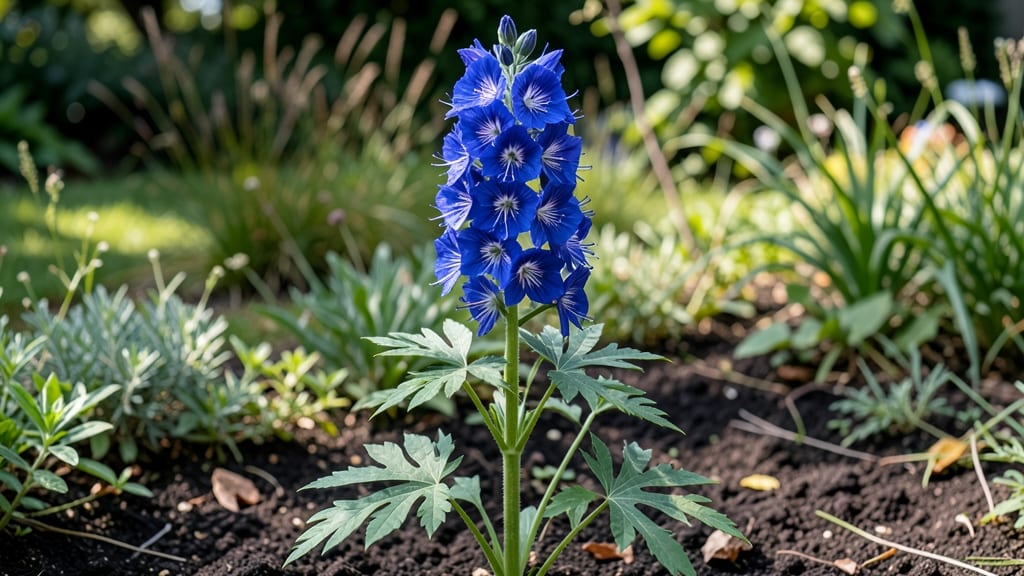
The larkspur bloom time in most regions spans from early June through August, turning your garden into a vertical watercolor of blues, purples, and whites 🌸.
If you’ve ever planted larkspur hoping for vibrant summer blooms only to be left with empty stems, understanding their bloom cycles by variety could transform your garden’s seasonal color.
Annual varieties like 'Bicolor Mix' typically burst into bloom 60 to 75 days after sowing, while perennial types may stagger their flowers over 6 to 8 weeks—but only if planted at the right time and given the care they crave.
Below, I’ll break down how to time your planting for the longest displays, spot the signs of a healthy bloom, and keep those spiky beauties flowering until frost—without the guesswork.
Larkspur bloom time by variety: annual vs perennial flowering seasons
Larkspur (Consolida spp.) delivers those iconic spike-like blooms that elevate summer gardens, but their bloom timing varies wildly depending on whether you're growing annual varieties or hardy perennials.
Annual larkspurs like 'Bicolor Mix' and 'Russell Hybrid' typically bloom from late spring to early fall, while perennial types like Delphinium hybrids (their close cousins) may take 2 years to mature before producing their showy flower spikes.
Understanding these differences helps you plan for season-long color or strategic replanting.
Regional climate plays a huge role in bloom timing too. In the Pacific Northwest, cooler summers delay blooms until June or July, while Southern states often see earlier starts in May. Even within the same zone, microclimates can shift bloom windows by weeks.
For example, mountain gardens in Zone 5 might not see blooms until late July, whereas coastal Zone 7 gardens could enjoy them as early as May.
Here’s how annual and perennial larkspurs compare in bloom performance, including USDA hardiness zones, regional adjustments, and bloom duration—so you can pick the perfect variety for your garden’s timeline.
| Variety Type | Bloom Season | USDA Zones | Regional Adjustments | Bloom Duration |
|---|---|---|---|---|
| Annual Larkspur ('Bicolor Mix') | Late May – September | All zones (grown as annual) | Pacific NW: June–August (cooler); South: May–July (hotter) | 6–8 weeks (continuous with deadheading) |
| Annual Larkspur ('Russell Hybrid') | June – October | All zones (annual) | Mountain regions: July–September (shorter season) | 8–10 weeks (longer with care) |
| Perennial Delphinium (Delphinium 'Blue Bird') | Year 1: Minimal blooms; Year 2+: June–July | Zones 3–8 (hardy perennial) | Zone 3–5: July–August (later); Zone 7–8: May–June (earlier) | 3–4 weeks (unless deadheaded) |
| Perennial Larkspur (Consolida ajacis 'Black Knight') | Self-seeds annually; blooms May–July | Zones 3–9 (self-sowing) | Desert SW: March–May (spring rains); Northeast: June–July (cooler) | 4–6 weeks per flush |
| Hybrid Delphinium ('Pacific Giant') | June–August (year 2+) | Zones 4–8 | Pacific NW: June–July (cool); Southeast: May–June (heat-sensitive) | 4–5 weeks (prolong with staking) |
Annual larkspurs like 'Bicolor Mix' are the workhorses of summer color, delivering non-stop blooms from late spring through fall if you deadhead regularly. These varieties thrive in full sun and well-draining soil, making them ideal for cut flower gardens or container displays.
Their 6–10 week bloom windows align perfectly with wedding season and holiday arrangements, but they won’t return the following year unless you replant seeds.
Perennial types, like Delphinium 'Blue Bird', take patience—they often produce minimal blooms in year one but reward you with stunning spikes in years two and three. These are zone-hardy plants that naturalize over time, making them perfect for low-maintenance borders.
However, their shorter bloom duration (just 3–5 weeks) means you’ll need to plan companion plants like salvia or snapdragons to extend seasonal interest.
For coastal gardens in Zone 7, I’ve found that annual larkspurs outperform perennials because they bloom earlier and longer in the milder climate. But in Zone 5 mountain gardens, perennial Delphiniums often survive harsh winters and bloom earlier than annuals in the following summer.
Experimenting with both types can give you year-round color if you <
How to extend larkspur bloom time: pruning, deadheading, and soil tips
Larkspur’s delicate spike-shaped blooms can dominate summer gardens—but only if you nurture them properly. The key to longer flowering lies in three critical areas: deadheading, soil health, and strategic pruning. Without these, your larkspur may produce just one burst of color before fading.
I’ve learned that annual varieties like 'Bicolor Mix' thrive with consistent care, while perennials need extra attention to return year after year.
Start by understanding your larkspur’s natural bloom cycle. Most varieties bloom from mid-summer to early fall, but with the right techniques, you can stretch this by 3-4 weeks.
The secret? Removing spent blooms before seed pods form redirects the plant’s energy toward new growth. I’ve seen firsthand how weekly deadheading keeps my larkspur producing fresh spikes until frost.
🌱 Key Takeaways to Extend Larkspur Bloom Time
- Deadhead daily: Snip spent blooms at base to prevent seed formation and encourage new flower spikes.
- Fertilize monthly: Use phosphorus-rich fertilizer (5-10-10) every 4-6 weeks during bloom season.
- Prune strategically: Cut back 1/3 of stems after first bloom to promote second flush of flowers.
- Improve drainage: Amend clay soil with compost to prevent root rot and extend growing season.
- Water deeply: Soak soil 1-2 inches weekly; avoid shallow watering that stresses roots.
✅ Pro Tip: Mulch with 2-3 inches of organic mulch to retain moisture and regulate soil temperature.
Phosphorus is the secret weapon for larkspur lovers. This nutrient fuels flower production, and a 5-10-10 fertilizer (with higher phosphorus) works wonders. I apply it every 4-6 weeks during the growing season, always watering it in thoroughly.
Over-fertilizing can lead to leafy growth at the expense of blooms, so follow the 1 tablespoon per plant rule. For organic gardeners, bone meal is an excellent phosphorus source.
Your larkspur’s soil conditions make or break its bloom time. These plants hate soggy roots, which can trigger early dormancy. Amend heavy clay soil with compost or sand to improve drainage. I’ve found that well-draining soil keeps larkspur blooming until first frost in my Zone 6 garden.
Test your soil’s pH—larkspur prefers neutral to slightly alkaline (6.5-7.5). If your soil is acidic, add lime gradually to avoid shocking the roots.
Pruning isn’t just for shaping—it’s a bloom-extension hack. After the first flush of flowers fades, cut back 1/3 of the tallest stems to encourage a second round of blooms. I use clean, sharp shears to make cuts just above a set of leaves.
This technique works best on annual varieties like 'Russell Hybrid,' which respond well to rejuvenation. Avoid heavy pruning late in the season, as it may delay dormancy in colder climates.
Finally, don’t overlook the power of consistent watering. Larkspur needs 1-2 inches of water weekly, but deep soakings beat frequent shallow waterings. I water mine early in the morning to reduce fungal risks.
In hot climates, mulch heavily to retain moisture and prevent stress. With these simple adjustments, your larkspur will reward you with vibrant blooms from July through September—or even later!