
Blooming
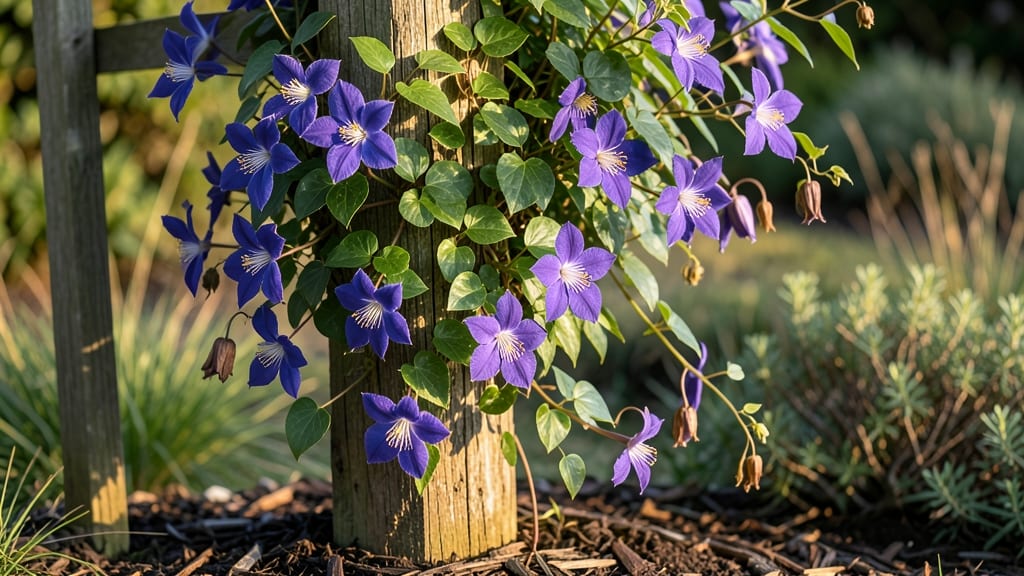
Growing large bloom clematis transforms any fence or trellis into a fragrant, floral masterpiece. 🌸 I learned the hard way that these vines need specific care to reward you with those showstopping blooms—think 6-inch-wide flowers that last from spring through fall with the right approach.
The secret starts with the right spot: full sun for at least 4-6 hours daily, well-draining soil, and a sturdy trellis. Most gardeners overlook soil prep—amend with compost before planting to give roots the nutrients they crave.
Water deeply once a week (more in extreme heat), then let the top inch dry between waterings. Once established, these clematis thrive with minimal pruning—just trim back dead stems in early spring. The real magic happens when you feed them every 4-6 weeks with a balanced fertilizer.
Your reward? Flowers that perfume the garden and keep blooming until frost. Perfect for climbers, container gardens, or even as a ground cover. Here's how to avoid the common pitfalls that kill these beauties before they even get started.
📚 In This Guide
- What you need
- Instructions
- Tips and common mistakes
- Wrapping up and next steps
What you need
- ● Clematis plant: Choose a large-flowering variety (e.g., 'Jackmanii,' 'Nelly Moser,' or 'Princess Diana') from a reputable nursery.
- ● Well-draining potting mix: 50% garden soil + 30% compost + 20% perlite or sand (for containers).
- ● Support structure: Trellis (6–8 ft tall) or
- ● Arbor or sturdy fence (for climbing varieties).
- ● Mulch: 2–3 inches of organic mulch (e.g., shredded bark or straw) to retain moisture.
- ● Watering can or hose: With a gentle spray nozzle for hydration.
- ● Pruning shears: Sharp, clean pair (sterilize with rubbing alcohol).
- ● Fertilizer: Balanced 10-10-10 or slow-release organic fertilizer (e.g., bone meal or compost tea).
- ● Soil pH tester (ideal range: 6.0–7.0).
- ● Epsom salt (1 tbsp/month in water for magnesium boost).
- ● Clematis-specific stakes or ties for training vines.
- ● Shade cloth (for hot climates to protect young plants).
- ● Slow-release fertilizer spikes (for low-maintenance care).
Step-by-Step instructions for planting and caring for large bloom clematis
Here’s how to establish your clematis for maximum blooms and fragrance with minimal fuss.
🌱 Step 1: Choose the Perfect Planting Site
Large bloom clematis thrive in partial shade to full sun, but with roots shaded by companion plants. I always plant mine where they’ll get morning sun and afternoon shade—this prevents leaf scorch while keeping stems strong. The ideal spot is near a fence, trellis, or wall where they can climb and spread.
Dig a hole twice as wide as the root ball but no deeper—clematis roots need room to breathe but hate sitting too low. Amend the native soil with 3-4 inches of compost mixed into the bottom of the hole. This ensures good drainage while retaining moisture, which is critical for those lush, heavy blooms.
🪴 Step 2: Plant and Stake for Support
Place the clematis in the hole, spreading roots outward gently. The crown (where stems meet roots) should sit 2-3 inches below soil level—this prevents rot while encouraging strong basal growth. Backfill with native soil mixed with compost, tamping lightly to remove air pockets.
Install a 5-6 foot trellis or sturdy post immediately and tie the main stems loosely with soft plant ties. Clematis vines grow aggressively, and without support, they’ll flop or break in wind or rain. I use flexible garden twine to avoid damaging the stems as they thicken.
☀️ Step 3: Water Deeply and Mulch for Retention
Water deeply right after planting—soak the soil until it’s 6-8 inches wet to encourage roots to spread. Large bloom clematis are thirsty but hate soggy feet, so aim for 1-2 inches of water per week, adjusting for rain. You’ll know you’ve got it right when the soil feels damp but not waterlogged at 2 inches deep.
Apply 3-4 inches of mulch (wood chips or shredded bark) around the base, keeping it 6 inches away from the stem to prevent rot. Mulch conserves moisture and regulates soil temperature, which is especially important in hot climates where clematis can wilt quickly. Refresh the mulch in spring and fall to maintain coverage.
✂️ Step 4: Prune Strategically for Year-Round Blooms
Large bloom clematis flower on old wood, so pruning is all about shaping—not cutting back aggressively. In late winter or early spring, remove dead or crossing stems at the base. Then, trim any remaining stems back to 2-3 buds from the base to encourage vigorous new growth. This keeps the plant compact while maximizing bloom potential.
Throughout the season, watch for suckers (shoots growing from the base) and remove them promptly—they divert energy from the main vines. I also deadhead spent blooms just above a set of leaves to redirect the plant’s energy into producing more flowers rather than seed heads.
🌿 Step 5: Feed and Protect for Long-Term Health
Feed your clematis in early spring with a balanced, slow-release fertilizer (10-10-10) applied 6 inches away from the base. This gives roots time to absorb nutrients without burning the plant. Avoid high-nitrogen fertilizers—they promote leafy growth at the expense of blooms. A second feeding in mid-summer with a bloom booster (like 5-10-10) keeps flowers coming.
In winter, protect young plants or those in cold climates with a thick layer of mulch (6-8 inches) and a burlap wrap around the trellis to shield vines from freezing winds. Established plants usually handle winter well, but this extra care ensures they bounce back strong in spring.
Tips & tricks for perfect large bloom clematis care
These insider strategies will help you cultivate vibrant, fragrant clematis with minimal effort—once you know the secrets.
Soil Preparation: Before planting, test your soil’s drainage by digging a hole and filling it with water. If it doesn’t drain within 30 minutes, amend with additional compost or sand to prevent root rot. I’ve found that adding a handful of perlite to the bottom of the hole creates instant drainage channels while still retaining moisture—critical for those heavy blooms. The 3-4 inches of compost mentioned in Step 1 should be well-mixed with native soil, not just layered at the bottom.
Support System: That 5-6 foot trellis isn’t just decoration—it’s essential for channeling the plant’s energy upward where you can see it. I recommend installing a second, smaller trellis nearby during the first growing season. This allows you to train new vines to climb while preventing them from getting tangled with mature growth. Use soft plant ties every 12 inches along the vine to distribute weight evenly and avoid stem damage as they thicken.
Watering Wisdom: The 1-2 inches of water per week guideline works for established plants, but newly planted clematis need more. For the first two weeks after planting, water deeply every other day to help roots establish. Check soil moisture at 2 inches deep—if it’s dry, water again. In containers, you’ll need to water more frequently since soil dries out faster. A drip irrigation system placed 6 inches from the base is my go-to for consistent moisture without overwatering.
Pruning Precision: When trimming back to 2-3 buds in Step 4, look for buds that face outward rather than inward. These will produce stronger, more accessible growth. I’ve learned the hard way that cutting too close to the base can damage dormant buds—always leave at least ¼ inch above the bud. For large bloom varieties, avoid heavy pruning in summer as this can reduce next year’s flower production. A sharp pair of pruners is non-negotiable—dull blades crush stems and invite disease.
Pro Tips for Large Bloom Clematis
- These insider strategies will help you cultivate vibrant, fragrant clematis with minimal effort—once you know the secrets.
- Soil Preparation: Before planting, test your soil’s drainage by digging a hole and filling it with water.
- Support System: That 5-6 foot trellis isn’t just decoration—it’s essential for channeling the plant’s energy upward where you can see it.
Frequently asked questions
Got questions about growing stunning large bloom clematis? You’re not alone! Here are answers to the most common queries to help you cultivate these show-stopping vines with confidence.
When is the best time to plant large bloom clematis?
Plant your clematis in early spring or early fall—when soil is workable but not frozen. Avoid summer heatwaves, which can stress young roots. For container-grown plants, soak roots before transplanting to reduce shock.
How do I prune large bloom clematis correctly?
Most large-flowering varieties (Group 3) bloom on old and new wood. Prune in late winter or early spring by cutting back last year’s stems to a pair of strong buds. Avoid heavy pruning in fall—wait until new growth signals spring’s arrival!
Why aren’t my clematis blooms opening fully?
Underdeveloped blooms often signal stress from overcrowding, poor sunlight, or inconsistent watering. Ensure your vine gets 6+ hours of sun daily and mulch to retain moisture. Deadhead spent blooms to encourage more flowers.
Are large bloom clematis deer-resistant?
Unfortunately, no—deer love clematis! Protect young plants with deer repellent sprays or physical barriers (like chicken wire). Once established, mature vines may deter browsing, but don’t rely on it.
What’s a great alternative if my climate is too hot or humid?
Try Clematis montana (early spring blooms) or Clematis armandii (fragrant, heat-tolerant). For containers, Clematis ‘Jackmanii’ thrives in partial shade and cooler zones. Just ensure well-draining soil!
Wrapping up and next steps
Growing large bloom clematis is a rewarding journey that brings breathtaking beauty to your garden with minimal effort! 🌸 With the right soil, support, and pruning know-how, these vines will flourish year after year, offering stunning blooms and even delicate fragrances.
Remember, patience and consistency are key—your hard work will pay off in a stunning, fragrant display that turns heads and lifts spirits.
Ready to transform your space? Start by selecting the perfect variety for your climate and soil, then get planting! Whether you’re a seasoned gardener or a beginner, every step you take brings you closer to a garden filled with large bloom clematis magic. Happy gardening! 🌿✨