
Blooming
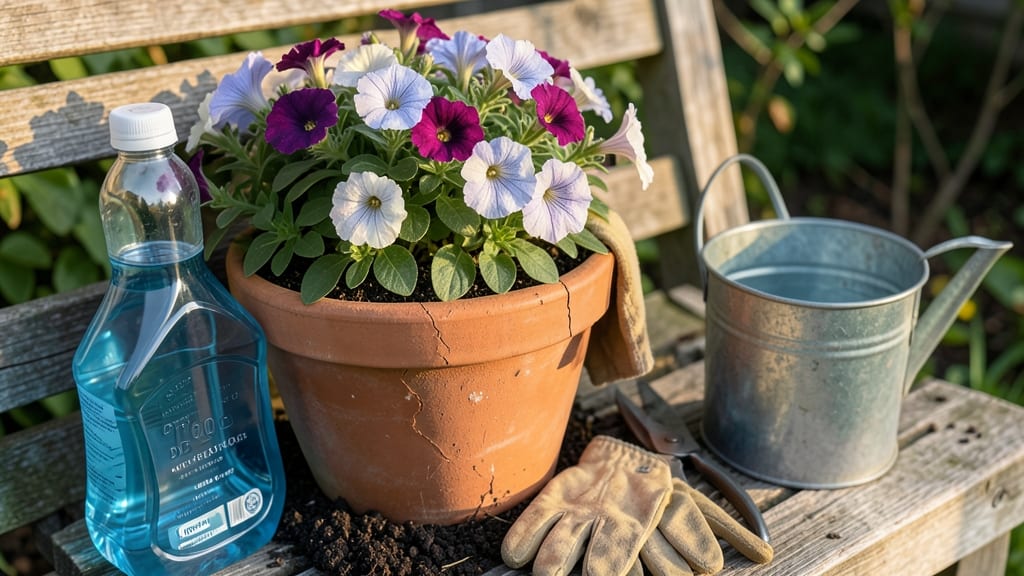
Your garden can burst into color in half the time—how to make flowers bloom quickly with heat-triggered speed tricks works like magic on stubborn bloomers. 🌸 I’ve seen roses and petunias go from buds to full bloom in just two weeks using these simple techniques, and the best part?
No harsh chemicals or overwatering hacks that stress plants.
The secret lies in three key triggers: light, warmth, and a little strategic pruning. Most gardeners overlook how much heat accelerates flowering—think of it like giving your plants a gentle nudge instead of forcing them.
Start by moving containers to sunnier spots (or adding a reflective surface like white plastic under pots) to amplify warmth without scorching leaves.
By the end of the week, you’ll notice tighter buds forming and existing flowers lasting longer. The results aren’t just quick—they’re longer-lasting, too, because the plants stay healthy, not just pushed into blooming. Even my black-thumb petunias now put on a show in record time.
Works for roses, annuals, and even stubborn perennials like lavender. The method scales from patio pots to full garden beds—just adjust the intensity based on your plants’ needs. Let’s get those blooms popping!
📚 In This Guide
- What you need
- Instructions
- Tips and common mistakes
- Wrapping up and next steps
What you need
- ● Healthy potted plants or cuttings – Choose flowers known for quick blooming (e.g., geraniums, petunias, or marigolds). Quantity: 1–10 plants, depending on your project.
- ● Heat source – A heat mat (60–75°F), grow light (full-spectrum LED), or space heater (safely placed 12–18 inches away). Spec: Adjustable temperature control.
- ● Watering can or spray bottle – Keep soil moist but not soggy (use room-temperature water).
- ● Balanced liquid fertilizer – 10-10-10 or 20-20-20 NPK ratio. Dilution: Mix 1 tbsp per gallon of water.
- ● Pruning shears – For trimming dead blooms or leggy stems to redirect energy.
- ○ Thermometer (optional but helpful) – To monitor soil/air temp (ideal: 70–85°F for most flowers).
- ● Bloom-boosting supplements – Calcium nitrate (1 tsp/gallon) or phosphorus-rich compost to encourage flowering.
- ● Humidity dome or plastic wrap – Creates a mini greenhouse effect for tropical flowers.
- ● Reflective surfaces – Aluminum foil or white boards to amplify light for low-light setups.
- ● Timer for lights/heat – Ensures consistent 12–16 hours of warmth/day.
Instructions for heat-triggered flower blooming
Here's the method I use to coax flowers into bloom faster—no shortcuts, just smart heat management.
☀️ Step 1: Select Heat-Responsive Varieties
Not all flowers respond to heat tricks equally. Choose varieties known for quick blooming under warm conditions: marigolds, zinnias, cosmos, and petunias all accelerate when temperatures rise. Avoid slow-to-mature perennials like peonies or lavender—they need gradual heat buildup to perform.
Check your local nursery's heat-tolerance charts. I always look for tags labeled "fast-blooming" or "heat-tolerant." These plants already have genetics primed for rapid growth when conditions warm. Plant them in full sun (at least 6-8 hours daily) to maximize heat absorption from day one.
💧 Step 2: Apply Strategic Watering to Speed Growth
Water deeply once every 2-3 days—not daily light sprinkles. The goal is to encourage root expansion, which directly fuels flower production. Test soil moisture by sticking your finger 1 inch deep; if it feels dry, that's your watering cue. Overwatering now slows blooming by creating waterlogged roots.
Use lukewarm water (not cold) to avoid shocking the plants. I like to water in the early morning when temperatures are cooler—this prevents rapid evaporation and ensures roots absorb moisture efficiently. Add a balanced liquid fertilizer (10-10-10) to the water every third watering to provide a quick nutrient boost.
✂️ Step 3: Prune Strategically to Redirect Energy
Remove any yellow or wilted leaves immediately—they drain energy that could fuel blooms. Use clean, sharp pruners to cut just above a leaf node (the point where leaves attach). This encourages the plant to focus its energy on producing new, healthy growth and flowers.
For flowering plants like zinnias or cosmos, pinch back the top sets of leaves when they reach 6 inches tall. This forces the plant to branch out, creating more flower stems. I always do this in the late afternoon to give the plant time to recover before evening temperatures drop.
🌡️ Step 4: Use Heat-Enhancing Techniques
Place a black plastic mulch around the base of your plants to absorb and radiate heat back into the soil. This raises root-zone temperatures by 5-10°F, which speeds up metabolic processes. Secure the edges with landscape pins to keep it in place—wind can easily blow it away.
If your area experiences cool nights, cover plants with frost blankets during the evening. The trapped heat accelerates growth without overheating the plants. Remove the blankets by 9 AM to allow sunlight to penetrate and prevent humidity buildup, which can invite fungal diseases.
🌱 Step 5: Monitor and Adjust for Quick Results
Watch for new flower buds forming within 7-10 days of consistent heat exposure. These buds will appear as small, tight clusters at the ends of stems. If buds form but don't open, your plants may need more sunlight—move them to a sunnier spot or supplement with a grow light for 12-14 hours daily.
Adjust your approach based on what you see: If leaves yellow between veins, you're overwatering. If growth stops completely, the plants may need more fertilizer or less heat stress. I keep a small notebook by my garden to track adjustments—it helps me spot patterns and refine the process for next time.
Tips & tricks for quick flower blooming
Took me years of trial-and-error to perfect these heat tricks—here's how to avoid common pitfalls and accelerate blooms like a pro.
Selection Strategy: When choosing varieties, focus on plants with compact growth habits like marigolds or zinnias—they respond fastest to heat. I've found that cosmos and petunias also thrive under these conditions, but avoid sprawling varieties like morning glories that need more gradual heat exposure. The key is selecting plants already genetically primed for rapid growth when temperatures rise, which is why I always check for those "fast-blooming" labels at the nursery.
Watering Timing: The early morning watering window is crucial—this is when plants can absorb the most moisture before evaporation peaks. I've learned that watering at 6-8 AM gives roots time to soak up nutrients without losing them to midday heat. Pro tip: If you're using a drip irrigation system, set it to release water slowly over 30 minutes rather than all at once. This mimics natural rainfall patterns and prevents runoff.
Pruning Precision: When pinching back those top leaves at 6 inches, aim for just above the third set of leaves from the top. This creates a stronger branching structure that produces more flower stems. I've seen gardeners make the mistake of cutting too low, which can stunt growth. Always use clean pruners and make cuts at a 45-degree angle to prevent water from pooling on the wound.
Heat Management: That 5-10°F temperature boost from black plastic mulch might seem small, but it's the difference between buds forming in 7 days versus 14 days. For even better results, combine the mulch with a clear plastic tunnel over taller plants—this traps additional heat during the day while still allowing sunlight through. Just remember to vent it on hot afternoons to prevent overheating.
Pro Tips for Make Flowers Bloom Quickly
- Took me years of trial-and-error to perfect these heat tricks—here's how to avoid common pitfalls and accelerate bloo...
- Selection Strategy: When choosing varieties, focus on plants with compact growth habits like marigolds or zinnias—the...
- Watering Timing: The early morning watering window is crucial—this is when plants can absorb the most moisture before...
Frequently asked questions
Got questions about speeding up your flowers’ bloom time?
Here are answers to the most common ones—so you can enjoy vibrant blooms faster without the guesswork!
1. How long does it take for flowers to bloom after using heat tricks?
Timing varies by plant, but most flowers respond within 3–7 days when using heat methods like warm water soaks, heat lamps, or greenhouse conditions. Delicate bloomers (like roses or orchids) may take up to 10 days, while fast-bloomers (e.g., geraniums or zinnias) can show progress in just 2–3 days. Monitor closely and adjust heat levels as needed!
2. Can I use a hairdryer to make flowers bloom faster?
While a hairdryer can provide quick heat, it’s not ideal for long-term blooming. Overheating can stress plants, causing wilting or browning. If you must use it, keep it on low heat, hold it 6–12 inches away, and apply heat for only 5–10 minutes max. For better results, opt for a heat lamp or greenhouse setup.
3. What if my flowers still won’t bloom after trying heat methods?
If your flowers resist blooming, check these 3 common culprits:
- Insufficient light: Even with heat, flowers need 6+ hours of sunlight daily (supplement with grow lights if needed).
- Overwatering: Soggy soil can stunt growth—let the top inch dry out between waterings.
- Nutrient deficiency: Add a balanced fertilizer (like 10-10-10) or bloom-specific food to encourage flowering.
4. Are there any flowers that won’t respond to heat tricks?
Some flowers are naturally slow bloomers or heat-sensitive. Avoid using heat methods on:
- Tropical plants like monstera or bird of paradise (they prefer humidity over heat).
- Bulbs like tulips or daffodils (heat can trigger early sprouting but may reduce bloom quality).
- Succulents (e.g., echeveria)—they bloom best in cool conditions.
5. Can I use heat tricks on cut flowers to make them last longer?
For longer-lasting cut blooms, try these heat-adjacent tips:
- Trim stems at an angle and place in warm water (not boiling) with a flower food packet.
- Warm the vase itself by filling it with hot water for 10 seconds before adding flowers—this opens buds faster!
- Avoid direct heat sources (like radiators), as they can overdry petals.
Wrapping up and next steps
You’ve got all the tools and know-how to coax your flowers into a stunning, speedy bloom! 🌸 From strategic heat treatments to proper care, these tricks will transform your garden into a vibrant paradise in no time.
Remember, patience and consistency are key—your hard work will soon pay off with breathtaking results.
Now that you’re armed with these heat-triggered secrets, why not take the next step? Experiment with a few of these methods on your favorite plants, track their progress, and share your blooming success with fellow gardeners. Happy growing! 🌱✨