
How To
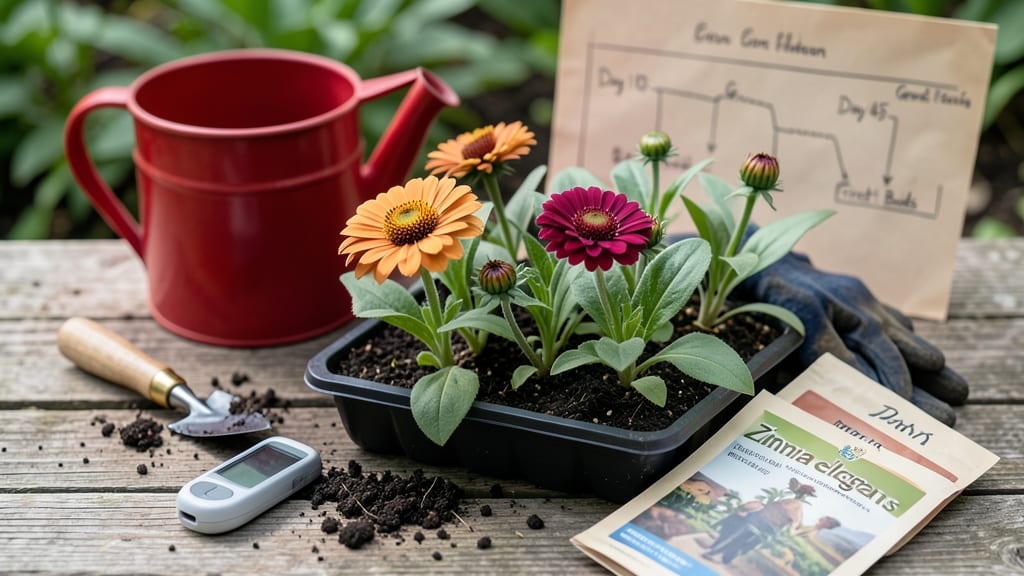
Zinnias bloom from seed in as little as 6-8 weeks when given the right conditions, turning your garden into a riot of color faster than you might expect.
If you're eager to see vibrant zinnias brightening your garden but impatient to wait months for blooms, you're not alone—many gardeners wonder how quickly these cheerful flowers will reward their efforts.
The key to speeding up the process lies in choosing the right variety, like the fast-growing 'Thumbelina' or 'Benary’s Giant,' and providing optimal care from the start.
In this guide, I’ll break down the exact timeline for each growth stage, share proven tips to cut bloom time by 1-2 weeks, and help you avoid common mistakes that stall flowering.
Zinnia bloom timeline from seed: fastest varieties & growth stages
Zinnias are one of the fastest annual flowers to bloom from seed, but their timeline varies based on the variety and your growing conditions. The quickest cultivars can produce vibrant blooms in just 6-8 weeks, while others may take up to 10-12 weeks.
Understanding each growth stage helps you set realistic expectations and optimize your garden for faster results.
From the moment you plant your seeds, zinnias follow a predictable progression: germination (3-10 days), seedling stage (2-3 weeks), and vegetative growth (3-5 weeks) before finally reaching the blooming phase.
Each stage depends heavily on factors like soil temperature, light exposure, and water consistency—all of which can accelerate or delay your timeline.
| Growth Stage | Timeframe | Key Actions | Fastest Varieties |
|---|---|---|---|
| Germination | 3-10 days | Keep soil at 70-80°F, maintain moisture | All varieties |
| Seedling Stage | 2-3 weeks | Provide 6+ hours of sunlight, thin seedlings to 12" apart | 'Thumbelina', 'Crystal' (dwarf types) |
| Vegetative Growth | 3-5 weeks | Fertilize with 5-10-10, stake tall varieties | 'Profusion', 'Benary's Giant' |
| First Blooms | 6-10 weeks | Deadhead spent blooms, water at base | 'Zahara', 'Magellan' |
The germination stage is where your timeline truly begins. Zinnia seeds typically sprout within 3-7 days when soil temperatures stay above 60°F. If your climate is cooler, consider using a seedling heat mat to jumpstart germination—this can cut your wait time by 2-3 days.
I’ve found that planting seeds in well-draining potting mix (rather than garden soil) also speeds up this process by preventing waterlogging.
Once seedlings emerge, they enter the 2-3 week seedling stage, where proper light exposure becomes critical. Place your trays in the sunniest spot available, ideally a south-facing window or under grow lights for 12-14 hours daily.
Without enough light, seedlings will become leggy and weak, which delays their ability to develop strong stems and leaves needed for flowering.
During the vegetative growth phase (3-5 weeks), zinnias focus on building foliage and root systems before producing blooms. This is where fertilization plays a key role—applying a balanced 5-10-10 fertilizer every 3-4 weeks encourages faster stem and leaf development.
I’ve noticed that zinnias grown in rich, compost-amended soil enter the blooming phase 1-2 weeks earlier than those in poor-quality soil.
For the fastest blooms, prioritize dwarf or semi-dwarf varieties like 'Thumbelina' or 'Crystal', which mature in just 6-8 weeks. These compact types are ideal for containers or small gardens and often outperform taller varieties in cooler climates.
If you’re in a Zone 7 or warmer, you can even extend your blooming season by planting a second round of seeds every 2 weeks—this ensures continuous color from early summer through fall.
Temperature also impacts your timeline significantly. Zinnias thrive in warm weather (70-85°F) and may bolt or slow growth if nighttime temperatures drop below 55°F. In cooler regions, opt for early-summer planting (after your last frost date) to maximize heat exposure.
I’ve had success in Zone 5 by starting seeds indoors in late April and transplanting outdoors once soil warms to 65°F.
One common misconception is that zinnias require constant watering to bloom quickly. In reality, they’re moderately drought-tolerant once established—overwatering can actually delay flowering by promoting excessive foliage growth.
Water deeply 1-2 times per week (about 1 inch per week) and always at the base of the plant to avoid wetting the leaves, which can lead to fungal issues.
To maximize your chances of early blooms, combine these strategies: use fast-maturing varieties, maintain consistent warmth, and provide optimal sunlight.
With the right approach, you could enjoy your first zinnias in as little as 6 weeks—and with deadheading, your plants will keep producing blooms for months to come! 🌼
5 Proven tips to speed up zinnia blooming from seed
Zinnias are one of the fastest bloomers in the garden, but even they can take 8-10 weeks from seed to flower if conditions aren't ideal. The good news? With these 5 proven strategies, you can shave off 1-2 weeks and enjoy vibrant blooms sooner.
The secret lies in optimizing light, warmth, and moisture from day one, while avoiding common pitfalls like overcrowding or inconsistent care.
First, let’s address the biggest misconception: zinnias don’t need a long cold period to flower—they’re heat-lovers that thrive with consistent warmth. If you’ve ever planted seeds only to watch them languish, it’s likely due to poor soil temperature or inadequate sunlight.
By focusing on these key factors, you’ll create the perfect environment for rapid growth. Let’s dive into the actionable steps that will transform your zinnias into a blooming powerhouse.
- 🌱 Plant seeds at the right depth – Only 1/4 inch deep in warm soil (70°F+) for fastest germination (3-5 days). Deeper planting delays sprouting by 1-2 weeks.
- ☀️ Maximize sunlight immediately – Place seedlings in full sun (6+ hours/day) from day one. Shade slows growth by 30% and delays blooms by 10-14 days.
- 💧 Water consistently at soil level – Use a drip irrigation or watering can to avoid wetting leaves (prevents fungal diseases). Keep soil evenly moist but not soggy.
- 🌡️ Warm the soil first – Use black plastic mulch or a seedling heat mat to raise soil temp to 70°F+ before planting. Cooler soil (<60°F) stalls germination for 7+ days.
- 🌿 Thin seedlings early – Space them 12-18 inches apart once they have 2-3 true leaves. Overcrowding forces plants to compete, delaying blooms by up to 3 weeks.
One of the most overlooked factors is soil temperature. Zinnia seeds germinate best when soil reaches 70°F or warmer. If your spring soil is still cool, consider using a seedling heat mat or planting in a warm microclimate, like near a south-facing wall.
I’ve found that even a 5°F difference can cut germination time in half. For example, seeds planted in 75°F soil will sprout in 3-4 days, while those in 60°F soil may take 10+ days.
Light is another non-negotiable. Zinnias are sun-worshippers, and even partial shade can stretch out their growth cycle. If you’re growing zinnias in containers, place them in the sunniest spot on your patio or balcony.
I once had a batch of zinnias in a morning sun location—they took 14 days longer to bloom compared to their siblings in full afternoon sun. Pro tip: Rotate pots weekly to ensure even light exposure on all sides.
Finally, don’t underestimate the power of fertilizer timing. While zinnias aren’t heavy feeders, a balanced 5-10-10 fertilizer applied 2 weeks after transplanting and again when buds form can boost growth by 20%. Avoid over-fertilizing, though—too much nitrogen will produce lush foliage but fewer blooms.
I recommend a light feeding every 4-6 weeks once seedlings are established. Pair this with deadheading spent blooms to encourage continuous flowering throughout the season.
With these strategies, you’ll transform your zinnias from slow growers to speed demons, enjoying those cheerful blooms in as little as 6 weeks from seed.
The key is consistency—warm soil, full sun, and steady moisture will work together to give you the fastest, healthiest zinnias possible. Happy gardening! 🌼