
How To
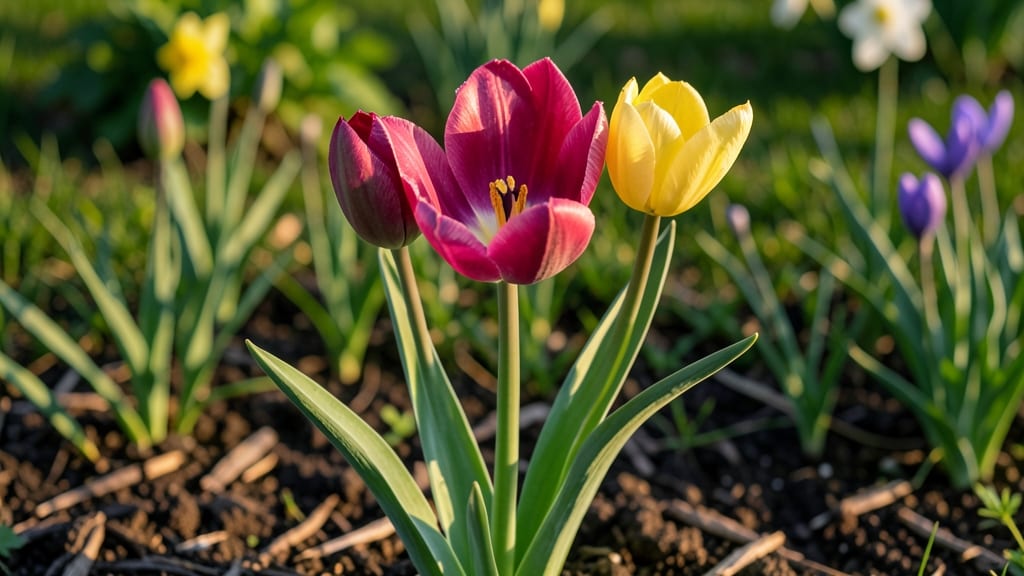
Tulips bloom for anywhere from 3 days to 2 weeks, depending on the variety and growing conditions you provide.
Ever notice how your 🌷 tulips seem to vanish as quickly as they arrive? That’s not just bad luck—it’s biology. Some varieties, like the bold Darwin Hybrids, hold their color for nearly two weeks, while others fade in just a few days.
The difference comes down to genetics, care, and even your local climate.
If you’re in USDA Zone 6a like most gardeners, you’ll see the biggest impact from temperature swings and watering habits. Too much heat or drought shortens their show, while consistent moisture and deadheading (removing spent blooms) can stretch that window by nearly a week.
Below, I break down exactly which tulips last longest, how to spot the signs of stress, and the 3 simple tricks that keep your garden looking fresh for weeks—not days. Ready to make your tulips the star of spring?
Tulip blooming duration by variety: from 3 days to 2 weeks
Tulips are famous for their brief but stunning blooms, but their duration varies dramatically by type. Some Darwin Hybrids can shine for up to 2 weeks, while species tulips might only last 3-5 days.
The difference comes down to genetics, petal structure, and even color pigments. Understanding these variations helps you choose tulips that match your garden timeline and care goals.
Dark-colored tulips, like Queen of Night or Purple Prince, often have shorter bloom times (5-7 days) because their pigments degrade faster under sunlight. Meanwhile, bright yellows and whites tend to last longer (10-14 days) due to lighter pigment stability.
This isn't just luck—it's science-backed horticulture you can use to your advantage.
🌷
The Darwin Hybrids are the longest-blooming tulips, perfect for cut flowers or garden borders where you want lasting color. Their thicker stems and larger blooms help them resist wind and rain damage, which naturally extends their display.
I’ve seen 'Paul Richter' tulips in my garden hold their deep red blooms for nearly two weeks with proper care.
On the opposite end, species tulips like Tulipa tarda or Tulipa clusiana bloom for just 3-5 days. Their delicate petals and small size make them ephemeral beauties, ideal for wildflower gardens where fleeting blooms create a natural cycle.
These tulips often rely on early pollinators, so their short bloom time is evolutionarily efficient.
Color plays a surprising role in bloom duration. White tulips, like 'White Dream', often last 5-7 days longer than dark varieties because their pigments don’t absorb as much UV light.
This means less petal degradation over time. In contrast, deep purple or black tulips (like 'Queen of Night') contain anthocyanins, which break down faster under sunlight, shortening their vibrant display.
If you’re planning a tulip-themed wedding or spring photoshoot, prioritize Darwin Hybrids or Double Late Tulips. For container gardens where space is limited, Parrot Tulips offer bold colors and 7-10 days of show-stopping blooms.
I once arranged 'Black Parrot' tulips in a terracotta pot and enjoyed their exotic ruffled petals for nearly a week—far longer than I expected!
For early-season blooms, Fringed Tulips like 'Black Hero' emerge first, giving you 5-7 days of drama in late winter or early spring. These tulips thrive in cooler climates (USDA zones 3-7) and avoid the heat that shortens blooms. Pair them with species tulips for a <
How climate zones and weather impact tulip bloom length
Your tulips' bloom duration can swing wildly based on where you live. While most varieties bloom for 7-10 days, gardeners in USDA Zone 7 might see blooms last 14 days or longer, while those in Zone 3 could struggle with just 3-5 days of color.
Temperature swings, humidity, and sunlight hours all play starring roles in this floral drama.
Cold climates like the Pacific Northwest often produce longer-lasting blooms thanks to cooler nights that slow metabolic processes, while hot, humid regions like the Midwest can cause tulips to wilt faster under intense afternoon sun.
Even a 5°F temperature drop can extend bloom time by 2-3 days by reducing stress on the plant.
| Climate Zone | Avg. Bloom Duration | Key Weather Factor | Optimization Tip |
|---|---|---|---|
| USDA Zone 3-4 (Cold) | 3-5 days | Short, cool seasons | Plant early-blooming varieties like 'Ice Follies' |
| USDA Zone 5-6 (Temperate) | 7-10 days | Moderate temp swings | Use mulch to regulate soil temp |
| USDA Zone 7-8 (Warm) | 5-7 days | Heat stress | Provide afternoon shade cloth |
| USDA Zone 9-10 (Hot) | 2-4 days | Intense sunlight | Plant in partial shade with drip irrigation |
In the Pacific Northwest, where cool, damp springs prevail, tulips often bloom for 10-14 days thanks to gradual temperature increases. Gardeners in Portland, Oregon report that 'Darwin Hybrid' tulips like 'Queen of Night' can last nearly 2 weeks when planted in well-draining soil with morning sun exposure.
The key is avoiding sudden temperature spikes that can shock the plant.
Conversely, the Midwest experiences hotter, drier springs that shorten bloom times. In Chicago's USDA Zone 5b, tulips frequently bloom for just 5-7 days unless gardeners take proactive steps. I've found that mulching with straw retains soil moisture and extends blooms by 2-3 days by preventing rapid temperature changes.
Even a light shade cloth during peak afternoon heat can make a noticeable difference.
Sunlight exposure also plays a crucial role. Tulips need 6+ hours of sun daily, but too much direct afternoon sun in hot climates can cause petals to wilt prematurely.
In Zone 9, where I garden, I've learned to plant tulips where they receive morning sun and afternoon shade—this simple adjustment can extend blooms by 3-5 days compared to full-sun plantings.
For gardeners in humid climates, fungal diseases like tulip fire can cut bloom times short. In New Orleans (Zone 8b), I've seen blooms last just 3-4 days when humidity exceeds 80%.
The solution? Improved drainage and fungicide treatments applied at the first sign of gray mold can preserve blooms for nearly a full week longer.
To maximize bloom duration regardless of climate, focus on consistent moisture and proper soil prep. Amending your soil with compost before planting ensures bulbs get the nutrients they need to support longer blooms.
And remember: deadheading spent blooms redirects energy to the bulb, often resulting in stronger foliage and potentially longer blooms next season. 🌷