
Blooming
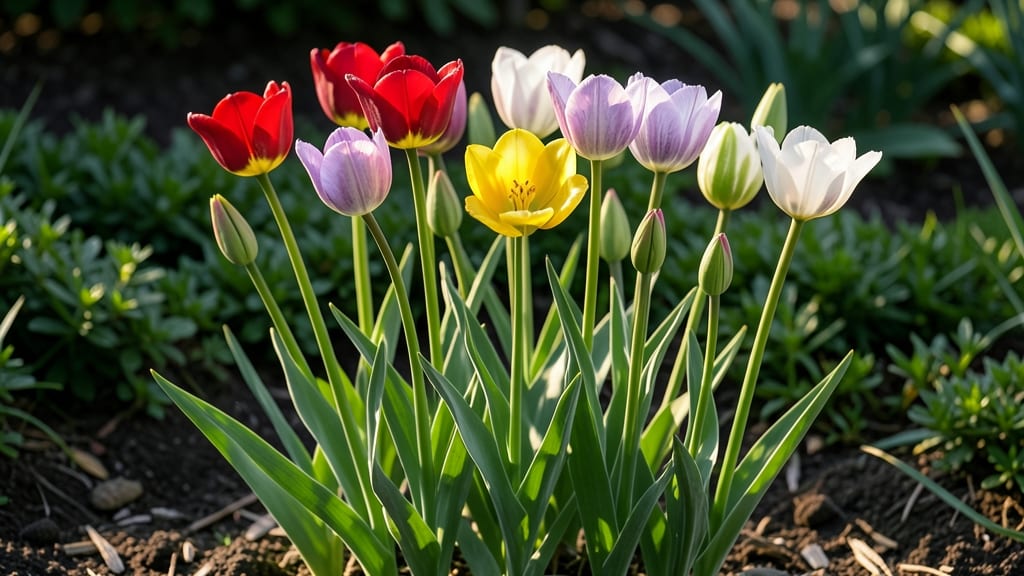
Tulips in Pennsylvania typically bloom between late April and early May 🌷, with exact timing depending on your hardiness zone and the specific variety you’ve planted.
Pennsylvania gardeners eagerly await tulip season, but timing varies dramatically across the state’s diverse climate zones—knowing exactly when to expect those vibrant blooms can mean the difference between a stunning spring display and missed opportunities.
In colder northern regions like USDA Zone 4, you might see early bloomers emerge as early as mid-April, while southern areas in Zone 7 could enjoy peak color into early May. The right soil prep and bulb selection can even nudge those blooms earlier or later, depending on your microclimate.
Below, I’ll break down the blooming windows by zone, share the best varieties for Pennsylvania’s climate, and offer tips to extend your tulip season for longer-lasting color in your garden.
Pennsylvania tulip blooming timeline by hardiness zone (4-7)
Tulips in Pennsylvania burst into color at different times depending on your USDA hardiness zone, with zone 4 experiencing later blooms than zone 7 due to cooler temperatures. Understanding these variations helps you select the right varieties and plan your garden for maximum impact.
Early bloomers appear as soon as late March, while late varieties may not peak until mid-May, giving you a 6-8 week window of tulip magic.
Frost is the biggest threat to tulips in Pennsylvania, especially in zone 4 where late frosts can occur through mid-April. Planting early-blooming varieties in sheltered spots or using mulch can protect delicate buds.
Meanwhile, zone 7 gardeners enjoy earlier blooms but must watch for humidity-related diseases that thrive in Pennsylvania’s spring climate.
Key factors influencing bloom time include bulb variety, planting depth, soil temperature, and microclimates. For example, a south-facing slope in zone 5 might see blooms 2-3 weeks earlier than a north-facing bed. Always plant bulbs 6-8 weeks before ground freezes (typically October-November) to ensure strong root development before winter.
In zone 4, early bloomers like 'Early Harbinger' and 'White Dream' often appear in late March, but gardeners should be prepared for late frost risks that can damage emerging shoots. These varieties are ideal for sheltered beds or containers that can be moved indoors during cold snaps.
For mid-season color, 'Darwin Hybrid' tulips like 'Apeldoorn' shine in April, offering robust stems that hold up to wind.
Zone 5 gardeners enjoy the longest blooming window, with early varieties like 'Ivory Queen' appearing in early April and late bloomers such as 'Queen of Night' lasting until early May. This zone benefits from a gradual warming trend, allowing for sequential planting of bulbs to extend the display. Always plant dwarf varieties near pathways where they won’t get trampled by eager spring walkers.
Gardeners in zone 7 can push the envelope with exotic tulip varieties like 'Red Emperor' or 'Purple Prince', which often bloom in late March. The milder climate also supports double-flowered tulips that thrive in the humidity.
However, overwatering can lead to bulb rot, so well-draining soil is critical. Consider adding sand or grit to heavy clay soils to improve drainage.
To maximize your tulip season, plant a mix of early, mid, and late bloomers in the same bed. This creates a staggered bloom effect that keeps your garden vibrant for weeks. For example, pair 'Early Harbinger' (early) with 'Queen of Night' (late) and 'Apeldoorn' (mid-season) for continuous color.
Always remove spent blooms but leave the foliage until it yellows to ensure next year’s blooms.
Frost protection is key in zones 4 and 5. Use row covers or lightweight mulch like straw to insulate bulbs during late frosts. In zone 7, focus on disease prevention by spacing plants properly and avoiding overhead watering.
Always plant bulbs in well-draining soil with a 3-inch layer of compost mixed into the top 6 inches to encourage strong root growth.
For container gardeners, choose dwarf tulip varieties like 'Tiny Tim' or 'Little Beauty', which thrive in pots and can be moved to protected spots during frost warnings. These varieties also work well in rock gardens or along patio edges where their compact size is an asset.
Remember, container-grown tulips may bloom slightly earlier than those in the ground due to warmer soil temperatures.
Finally, keep a gardening journal to track bloom times in your specific microclimate. Note when your tulips open each year and adjust future plantings accordingly. Over time, you’ll develop a personalized
Best tulip varieties for Pennsylvania’s spring climate
Pennsylvania’s unpredictable spring weather—from late frosts to sudden humidity spikes—can challenge tulip growers. The key to vibrant blooms lies in selecting cold-hardy varieties that thrive in USDA Zones 4-7 while resisting Pennsylvania’s damp springs.
I’ve curated the best early, mid, and late-season tulips that deliver reliable color, even when Mother Nature throws curveballs.
For early bloomers, focus on varieties that push through frost and handle Pennsylvania’s variable temperatures in March and April. These are your showstoppers for late winter before other spring flowers emerge.
Mid-season types offer the longest bloom window, while late varieties extend your spring display into May—critical for our humid, rainy springs.
🌷 Top 5 Tulip Varieties for PA Gardens
- 1. 'Early Wonder' (Early): Blooms March 20-April 5 in PA, frost-resistant with deep red flowers. Perfect for Zone 4-6 gardeners chasing early color.
- 2. 'Queen of Night' (Mid): Velvety purple-black blooms from April 10-25, thrives in humid conditions, and holds color longer than most varieties.
- 3. 'Apeldoorn' (Mid): Classic red-and-white striped tulip blooming April 5-20, disease-resistant and reliable in PA’s clay soils.
- 4. 'White Dream' (Late): Pure white blooms appearing April 25-May 10, heat-tolerant for late-season displays when other tulips fade.
- 5. 'Fosteriana Group' (Early): Orange-red fosteriana tulips bloom March 30-April 15, extra cold-hardy and great for cutting.
💡 Pro Tip: Pair early bloomers like 'Early Wonder' with late bloomers like 'White Dream' to stretch your tulip season from March through May.
When selecting tulips for Pennsylvania, prioritize varieties with strong stems to support heavy blooms in windy conditions. Look for disease-resistant hybrids like 'Darwin Hybrid' tulips—they handle our humid springs better than fragile species. For color retention, avoid pastel shades that fade fastest in Pennsylvania’s acidic soils.
To preserve tulip color in Pennsylvania’s damp climate, apply a 2-inch layer of mulch after planting to reduce soil moisture around bulbs. I recommend pine straw or shredded bark—these materials improve drainage while suppressing weeds. For container gardens, use well-draining mixes with perlite to prevent bulb rot.
For gardeners in Zone 4 (north PA), focus on extra early varieties like 'Ice Follies' (white) or 'Red Emperor' to bloom before late frosts. In Zone 7 (southeast PA), you can push late-season varieties like 'Black Parrot' (exotic purple-black) into May blooming with proper care.
Remember: Pennsylvania’s spring rains can cause tulip botrytis blight. To prevent this, space bulbs 4-6 inches apart and avoid overhead watering. Deadhead spent blooms immediately to redirect energy to bulb storage for next year’s flowers.
With the right varieties and care, your tulips will outshine even the rainiest Pennsylvania springs! 🌷