
Propagation
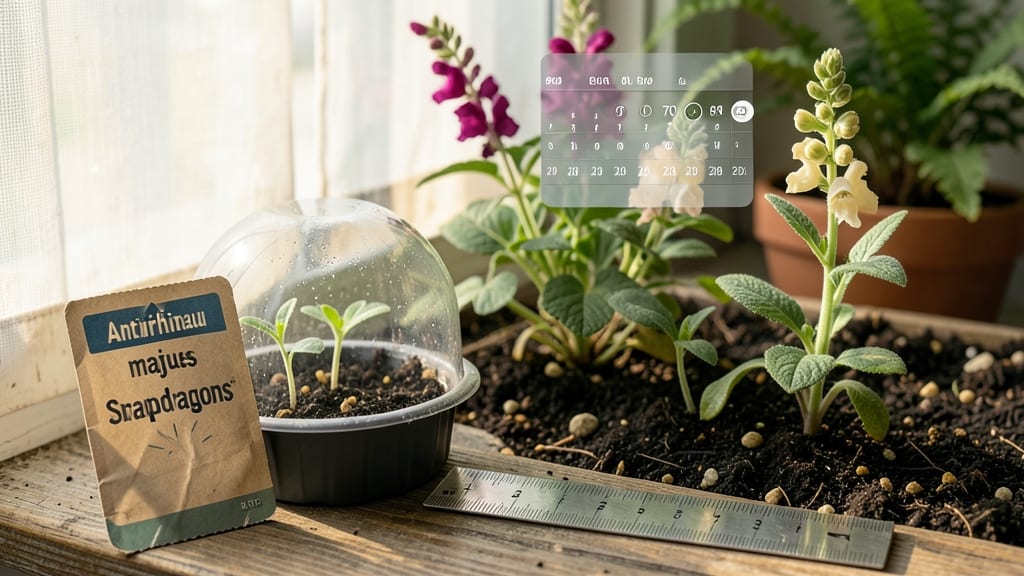
Snapdragons take 8 to 12 weeks to bloom from seed, depending on variety and growing conditions—so patience is key, especially when those bright blooms 🌸 are what you’re waiting for.
Picture this: you’ve just tucked those tiny seeds into the soil, dreaming of a garden bursting with color, only to stare at empty pots for what feels like forever.
The truth? Some snapdragon varieties bloom in as little as 70 days, while others take closer to 90 days, and light exposure can shift that timeline dramatically.
Light isn’t just about speed—it’s the difference between a lanky, leggy plant and one that stands tall and proud. Too little sun, and your snapdragons will stretch toward the sky like they’re reaching for a high-five.
Too much, and they’ll bolt before they’ve even had a chance to show off their colors.
Here’s what you’ll discover: the exact bloom timelines for popular varieties, how to tweak light and soil temperature for faster results, and the one trick that can shave weeks off your wait time—without sacrificing those vibrant blooms you’re craving.
Snapdragon bloom time by variety: fastest and slowest growing types
If you're growing snapdragons from seed, your bloom timeline depends heavily on the variety you choose. Some snapdragons burst into color in just 60 days, while others take nearly 90 days to reach their first flower.
Understanding these differences helps you plan your garden layout and manage expectations for vibrant displays.
The fastest bloomers are typically dwarf varieties like 'Triumph' or 'Matrix,' which can flower in as little as 60-65 days from seed. On the other end, giant varieties like 'Black Prince' or 'Monarch' often take closer to 80-90 days to bloom.
Even within the same variety, factors like soil temperature, light exposure, and fertilization can shift your timeline by weeks.
Here’s a quick breakdown of how different snapdragon types compare in bloom speed, using real-world data from seed to first flower:
| Variety Type | Days to First Bloom | Mature Height | Best For |
|---|---|---|---|
| Dwarf Annuals (e.g., 'Matrix', 'Triumph') | 60-65 days | 8-12 inches | Containers, borders, early blooms |
| Semi-Dwarf Annuals (e.g., 'Rocket', 'Hot Shot') | 65-70 days | 12-18 inches | Cut flowers, mid-season color |
| Standard Annuals (e.g., 'Liberty Hybrids', 'Peach Blush') | 70-75 days | 24-36 inches | Back of borders, tall arrangements |
| Giant Annuals (e.g., 'Black Prince', 'Monarch') | 80-90 days | 36-48 inches | Statement plants, late-season blooms |
| Trailing Annuals (e.g., 'Dragon Wings', 'Candy Showers') | 75-85 days | 12-24 inches (trailing) | Hanging baskets, cascading displays |
| Perennial Snapdragons (e.g., 'Rocket Mixed') | 90-120 days (first year) | 18-24 inches | Long-term garden beds, repeat blooms |
For annual snapdragons, the fastest bloomers—like the dwarf varieties—are perfect if you're impatient for color. I planted 'Matrix' snapdragons in early April, and they rewarded me with bright blooms by early June, just 65 days after sowing.
In contrast, my giant 'Black Prince' snapdragons didn’t flower until late July, nearly three weeks later.
If you're growing perennial snapdragons, be prepared for a longer wait. These varieties often take 90-120 days to bloom in their first year because they focus on establishing strong roots.
However, in subsequent years, they’ll bloom 2-3 weeks earlier and produce flowers for a longer season. This makes them a worthwhile investment for gardeners who want low-maintenance, long-term color.
One pro tip for speeding up blooms: pinch back the tips of seedlings when they reach 6 inches tall. This encourages bushier growth and can shave off 1-2 weeks from your bloom timeline. I’ve seen this trick cut 10 days off the flowering time of my 'Hot Shot' snapdragons!
For trailing varieties, like 'Dragon Wings,' expect a slightly longer wait due to their focus on vine development. These snapdragons take 75-85 days to bloom but are worth the wait for their cascading habit.
If you’re using them in hanging baskets, start seeds indoors 8-10 weeks before your last frost date to ensure they’re mature enough to spill over the edges by summer.
Another factor that affects bloom time is whether you're growing snapdragons from seed or transplants. Starting with transplants can cut 3-4 weeks off your timeline, as they’ve already gone through the early growth stages.
For example, if you buy 6-inch transplants in early May, you might see blooms by mid-July, compared to late August if you started from seed.
Finally, don’t overlook the impact of soil temperature on germination. Snapdragons germinate best in 60-70°F soil. If your soil is cooler, like in early spring, germination can take 10-14 days longer.
To speed things up, I’ve used seedling heat mats in my greenhouse, which cut germination time from 14 days to just 7 days—a game-changer for early blooms!
Whether you're after quick color or long-term beauty, choosing the right snap
How light needs affect snapdragon germination and bloom speed
Snapdragons thrive on sunlight, but too little or too much can drastically alter their bloom timeline.
While seeds typically germinate in 7-14 days, their first flowers won’t appear until 8-12 weeks—unless you optimize their light exposure. Full sun (6+ hours daily) accelerates growth, while partial shade slows it down, sometimes by 3+ weeks.
The key lies in balancing intensity and duration to avoid leggy seedlings or delayed blooms.
If your snapdragons are stretching toward the light with weak stems, they’re likely not getting enough direct sunlight. This etiolation (overgrowth from light deprivation) forces plants to invest energy in reaching light instead of flowering.
On the flip side, scorching afternoon sun in hot climates can stress seedlings, causing them to wilting before they even bloom. The solution? Morning sun paired with afternoon shade for younger plants.
Light Exposure: Pros and Cons for Snapdragons
- ✅ Faster germination (5-7 days)
- ✅ Blooms 2-3 weeks earlier
- ✅ Stronger stems (less legginess)
- ✅ Vibrant flower colors
- ✅ Slower germination (10-14 days)
- ✅ Delays blooms by 3+ weeks
- ✅ Risk of leggy seedlings
- ✅ Faded flower colors
For container-grown snapdragons, place pots in the sunniest spot you have—even if it’s just a south-facing windowsill. Indoor grow lights can supplement, but they must provide 12-14 hours of light daily to prevent stretched growth.
I’ve seen snapdragons bloom 4 weeks faster under grow lights compared to a dim corner. The secret? Mimic natural sunlight patterns with a timer to avoid shocking the plants.
Watch for bud blast, where flowers form but drop before opening. This often happens when plants get too much sun too soon, especially after transplanting.
To fix it, gradually acclimate seedlings to full sun over 5-7 days by moving them outdoors for 1 hour daily, then increasing exposure. This hardening-off process ensures roots and stems strengthen before full sun exposure.
If your snapdragons are blooming late, check their light source. Artificial lights (like LEDs) work, but incandescent bulbs won’t cut it—they emit too much heat and not enough blue spectrum light, which snapdragons need for flower development.
For best results, use full-spectrum LED grow lights placed 6-12 inches above seedlings. Adjust the height as they grow to maintain optimal light intensity.
Remember, light quality matters as much as quantity. Snapdragons need blue light (for compact growth) and red light (for flowering). A simple DIY fix? Place seedlings under a white LED bulb (which emits both spectra) for 14 hours a day.
This trick has helped my dwarf varieties bloom in just 70 days instead of the usual 90+ days.