
How To
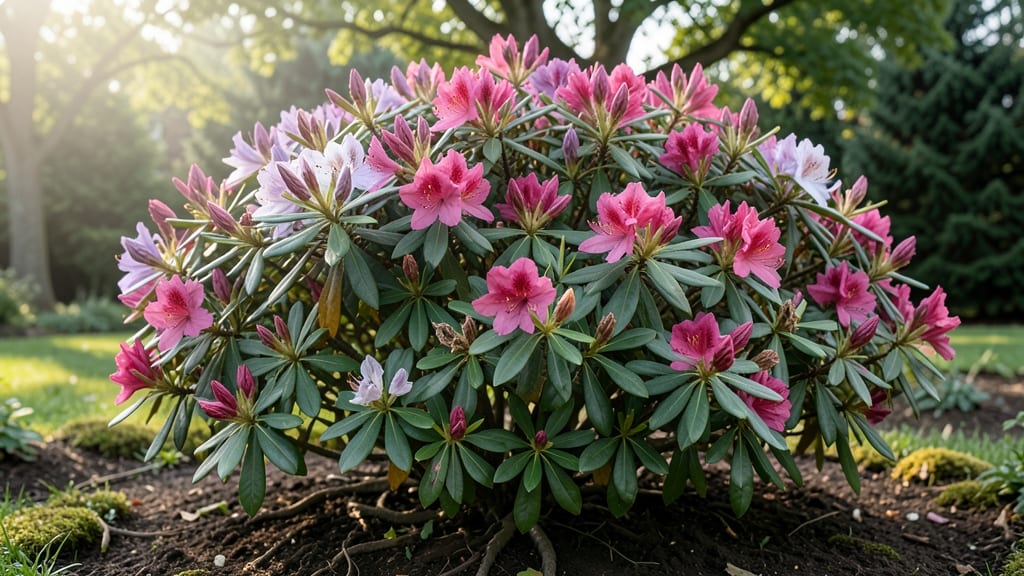
Azaleas typically bloom for 2 to 6 weeks, with early varieties like Rhododendron 'Girard’s Pink' lasting 2-3 weeks, while late-season types such as Rhododendron 'Bow Bells' can extend to 5-6 weeks when cared for properly.
Azalea bloom length varies dramatically between varieties and growing conditions. 🌸 Early bloomers often show their best colors in late April, while late-season types may not peak until June.
The difference comes down to genetics—some cultivars are bred to respond to specific temperature cues, which can delay or extend their flowering window. For example, cooler spring nights tend to prolong bloom time in many azalea types.
What you can control is post-bloom care. Pruning spent flowers immediately after they fade prevents seed formation, which diverts the plant's energy back into next year's buds. I've seen azaleas in my garden bloom a full week longer when I deadhead regularly and maintain slightly acidic soil (pH 5.0-6.0).
Proper watering—keeping roots consistently moist but not soggy—also makes a noticeable difference in how vibrant and long-lasting the flowers appear.
💡 In This Article
- Azalea Bloom Duration by Variety: Early vs Late Bloomers
- Extending Azalea Blooms: Pruning and Care Techniques
Azalea bloom duration by variety: early vs late bloomers
The timing of azalea blooms is primarily governed by their genetic programming, which determines when they respond to seasonal cues. Early bloomers like Rhododendron 'Girard’s Pink' typically emerge in late April, triggered by the combination of 50-60°F nighttime temperatures and increasing daylight hours.
These varieties have shorter bloom cycles—about 2-3 weeks
Late-season azaleas, such as Rhododendron 'Bow Bells' or Rhododendron 'Hino Crimson' varieties, wait for cooler spring conditions to bloom, often peaking in late May to early June. Their extended 5-6 week bloom period stems from a biological adaptation where they require consistent temperatures below 65°F to fully open their buds. This delayed response creates a cascading bloom effect where flowers open gradually rather than all at once, which is why they appear more abundant and last longer. Daylight exposure plays a critical role in this process. Azaleas are short-day plants, meaning they flower in response to decreasing daylight hours after the summer solstice. However, their exact bloom timing depends on the chilling hours they receive during winter dormancy—typically 400-800 hours below 45°F. Varieties adapted to southern climates (like Rhododendron 'George L. Taber') may bloom earlier with fewer chilling hours, while northern-adapted types (like Rhododendron 'Coral Bells') require more winter cold to trigger their flowering cycle. Climate also creates dramatic variations in bloom duration. In cooler coastal regions like the Pacific Northwest, azaleas often bloom 1-2 weeks longer than in warmer inland areas because the moderate temperatures slow metabolic processes, preserving flower longevity. Meanwhile, in hotter climates like the Deep South, azaleas may bloom more intensely but for shorter periods due to accelerated growth cycles. The key difference lies in how quickly the plant transitions from flowering to seed production—hotter conditions accelerate this process. Consider these visual cues to identify bloom potential: Early bloomers typically have smaller, more clustered flowers with vibrant colors that fade quickly, while late bloomers feature larger, more open blooms that maintain their color longer. For example, Rhododendron 'Girard’s Pink' flowers are tightly packed and may appear fully open in just 7-10 days, whereas Rhododendron 'Bow Bells' flowers open gradually over 3-4 weeks, creating a stunning layered effect in the garden. The color spectrum also influences bloom duration. Darker-hued azaleas (deep purples, reds) often have slightly shorter bloom times because their pigments are more prone to fading under intense sunlight. Lighter colors (whites, pinks) tend to last longer because their pigments are more stable. This is why white azaleas like Rhododendron 'Alice' are prized for their 4-5 week bloom periods—their delicate petals remain crisp and vibrant under full sun exposure.