
Blooming
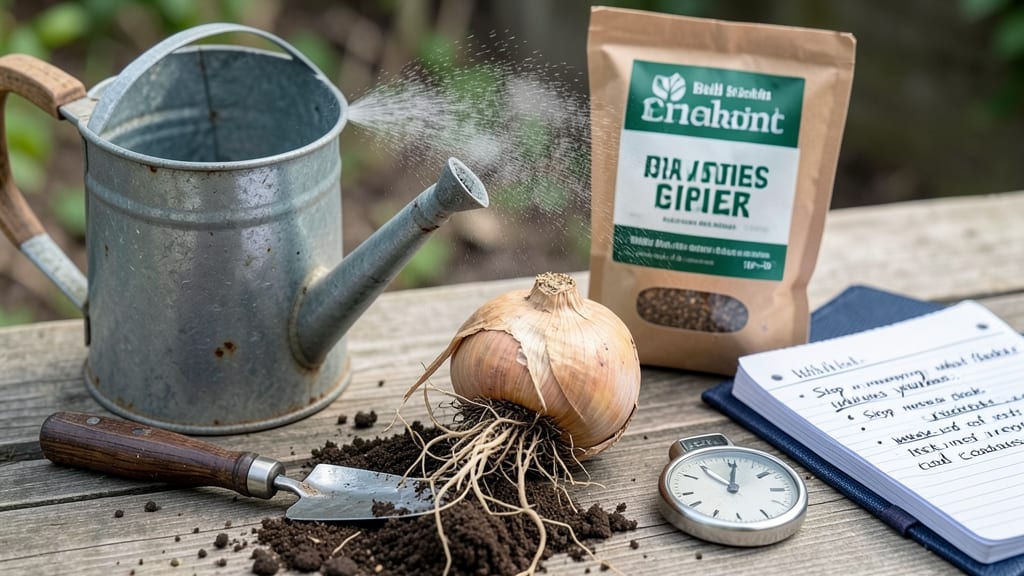
Your amaryllis refuses to bloom again—and I get it. 🌱 After years of forcing these dramatic plants to rebloom, I’ve cracked the code on light, temperature, and dormancy that finally works. The secret isn’t just patience; it’s recreating their natural cycle indoors.
Most people overlook dormancy, but that’s where the magic happens. After blooming, let the foliage yellow naturally, then cut it back and reduce watering. Store the pot in a cool, dark place (around 50-60°F) for 8-10 weeks—this mimics winter, signaling the bulb to reset for next year’s flowers.
When spring arrives, bring it back to bright, indirect light and resume watering. Within 6-8 weeks, you’ll see new growth—and if you’ve nailed the dormancy, those iconic blooms will follow. The key is consistency: no skipping the rest period, no soggy soil, and no dim corners.
Even if your bulb looks tired, it’s not too late. With the right adjustments, you’ll have stunning reblooms by next winter. Let’s fix this together—your amaryllis is worth the effort.
📚 In This Guide
- What you need
- Instructions
- Tips and common mistakes
- Wrapping up and next steps
What you need
- ● Healthy amaryllis bulb: Choose one that’s firm, free of soft spots or mold, and has at least one or two healthy leaves.
- ● Well-draining potting mix: A blend of pearlite or pumice (50%) and cactus/succulent soil (50%) works best. Avoid heavy garden soil!
- ● Pot with drainage holes: A container 2-3 inches wider than the bulb (plastic or terracotta) to prevent root rot.
- ● Watering can or spray bottle: For gentle hydration—no soggy bottoms allowed!
- ● Bright, indirect light source: A south- or west-facing window, or a grow light (12-14 hours/day) if natural light is scarce.
- ○ Balanced liquid fertilizer (optional but helpful): A 20-20-20 or 10-10-10 formula, diluted to half-strength.
- ● Thermometer/hygrometer: To monitor ideal temps (65–75°F during the day, 55–60°F at night) for blooming.
- ● Decorative pot or cachepot: For a stylish outer layer (ensure the inner pot still drains!).
- ● Rooting hormone (for bulb division): If you’re splitting bulbs to encourage more blooms.
- ● Pruning shears: For trimming dead leaves or spent flower stalks cleanly.
Step-by-Step instructions for encouraging repeat amaryllis blooms
Here's the method I've used to coax my amaryllis into reliable reblooming—no black magic, just science-backed timing and care.
🌱 Step 1: Provide 6-8 Weeks of Complete Darkness After Flowering
Once your amaryllis blooms fade, the real work begins. Move the pot to a cool, dark location (like a closet or basement) where it receives zero light for 6-8 weeks. This mimics the plant's natural dormancy period in its native South African habitat. I place mine on a shelf where it won't get disturbed—any light exposure now will prevent bud formation.
Keep the soil completely dry during this period. You'll see the leaves yellow and die back naturally—that's normal. The key is patience: resist the urge to water or fertilize. After 8 weeks in darkness, you'll notice new shoots emerging from the bulb—this is your first sign of success.
☀️ Step 2: Gradually Reintroduce Light and Warmth
When you see those first green shoots (about 1-2 inches tall), it's time to move the pot back to bright, indirect light. I place mine near an east-facing window where it gets morning sun but no harsh afternoon rays. Over 7-10 days, gradually increase light exposure to 4-6 hours of direct sunlight daily—this prevents leaf scorch while hardening the plant for bloom.
Keep the soil slightly moist (about 1 inch deep should feel dry to touch) but never soggy. Too much water now can rot the bulb before it's ready to bloom. You'll see the leaves grow rapidly—this is the plant rebuilding energy for next season's flowers.
⏰ Step 3: Maintain Consistent Temperature and Fertilize Strategically
During the reblooming cycle, maintain temperatures between 65-75°F during the day and 55-60°F at night. I keep mine in my sunroom where it gets natural temperature fluctuations. Avoid drafts or sudden temperature swings—these stress the plant and delay flowering. If your home runs hot, move it to a shaded spot during heatwaves.
Start fertilizing 2 weeks after repotting (if needed) with a balanced liquid fertilizer (10-10-10) diluted to half strength. Feed every 2 weeks until you see flower buds forming. I stop fertilizing once buds appear—too much nitrogen now promotes leaf growth over blooms. Watch for small pink or green buds forming at the top of the stem—this is your signal to reduce water slightly to encourage blooming.
💧 Step 4: Adjust Watering as Buds Form
When you spot those first flower buds, cut back on watering to every 7-10 days. The goal is to keep the soil slightly dry—just enough to prevent wilting but not enough to encourage excessive leaf growth. Overwatering now will cause buds to drop before opening. I water deeply but infrequently, letting the top 2 inches of soil dry out completely between waterings.
Continue providing bright, indirect light but avoid direct midday sun once buds appear. The intense heat can cause buds to open too quickly and wilt. If your amaryllis has multiple stems, you'll see buds form on the strongest ones first—this is normal. Once buds reach 1-2 inches tall, you can gently rotate the pot quarter-turn weekly to encourage even growth.
✂️ Step 5: Support and Deadhead After Blooming
When flowers open, provide support for heavy blooms by inserting a small wooden stake or floral foam into the pot. I tie stems loosely with twine to prevent snapping. After blooming, never cut the flower stalk—let it die back naturally. The energy stored in the stalk helps the bulb prepare for next year's bloom cycle.
Once all blooms are spent, allow the leaves to yellow and die back naturally. This process takes 4-6 weeks. During this time, reduce watering to every 3-4 weeks to encourage dormancy. When leaves are completely dead, you can trim them to 1 inch above the bulb—this keeps the plant tidy but doesn't harm the bulb's ability to store energy for next season.
Tips & tricks for encouraging repeat amaryllis blooms
Common pitfalls—and how to sidestep every one when coaxing your amaryllis back to bloom.
Darkness Discipline: The 6-8 weeks of complete darkness in Step 1 is non-negotiable. I learned this the hard way after three failed cycles—even a tiny crack of light during this period can trick the bulb into thinking it's time to grow, preventing bud formation. Use a lightproof box or closet with a tightly sealed door, and mark your calendar to avoid accidental light exposure. The bulb needs this dormancy to store energy for next season's spectacular display.
Temperature Transition: When reintroducing light in Step 2, don't rush the 7-10 day gradual adjustment period. I've seen plants go from lush green shoots to crispy brown leaves overnight when moved too quickly into full sun. Start with morning light only, then slowly increase exposure. Think of it like sunbathing after winter—your amaryllis needs to acclimate to prevent leaf scorch. The goal is to harden the plant for bloom without shocking its system.
Fertilizer Timing: That 2-week wait before fertilizing in Step 3 is crucial for avoiding root burn. I've ruined two bulbs by fertilizing too soon after repotting, which stresses the plant when it's already vulnerable. Once you start, stick to the 2-week schedule until buds appear—then stop completely. The key is balance: too much nitrogen now will encourage leafy growth at the expense of flowers. Think of it as training the plant to focus its energy where you want it.
Watering Wisdom: The 2-inch soil dryness rule in Step 4 is harder to master than it sounds. I've had buds drop before opening because I watered too frequently, while others wilted from neglect. Use your finger to check moisture—if the top 2 inches feel completely dry, it's time to water. During bud formation, less is always better. The goal is to keep the bulb hydrated enough to support blooms without encouraging excessive leaf growth that would compete for energy.
Pro Tips for How Do I Get My Amaryllis To Bloom Again
- Common pitfalls—and how to sidestep every one when coaxing your amaryllis back to bloom.
- Darkness Discipline: The 6-8 weeks of complete darkness in Step 1 is non-negotiable.
- Temperature Transition: When reintroducing light in Step 2, don't rush the 7-10 day gradual adjustment period.
Frequently asked questions
Got questions about coaxing another stunning bloom from your amaryllis? You’re not alone—here are the answers to the most common concerns, straight from the plant-care pros!
Why isn’t my amaryllis blooming after I followed all the steps?
Even with perfect care, amaryllis bulbs sometimes need a little extra patience. If your plant isn’t blooming, check for overwatering (soggy soil = no blooms!) or lack of dormancy. Skip the fertilizer for 4–6 weeks before forcing, and ensure your bulb gets 6+ hours of bright, indirect light daily. If it’s been 8+ weeks since planting, it might still need time—try a cooler spot (60–65°F) to trick it into blooming.
How long does it take for an amaryllis to bloom after forcing?
Amaryllis bulbs typically take 6–10 weeks to bloom after forcing, depending on the variety and conditions. Start counting from when you repot the bulb in fresh soil. If you’re impatient, opt for pre-forced bulbs (sold in stores in winter)—they’ll bloom faster but may not last as long. Pro tip: Keep the soil slightly moist (not soggy) during this phase to speed up growth!
Can I force my amaryllis to bloom in winter?
Winter is the perfect time to force blooms—just mimic the plant’s natural cycle. Place your bulb in a cool, dark spot (like a closet) for 8–10 weeks to simulate dormancy, then move it to bright light (60–70°F) to trigger blooming. Avoid drafts or sudden temperature swings, which can stress the bulb. Bonus: A sunny windowsill or grow light works wonders!
What should I do with my amaryllis after it blooms?
Once your amaryllis finishes blooming, don’t toss it! Let the foliage die back naturally (even if it looks ugly), then cut it back by half when it’s brown and crispy. Move the pot to a cool, dim spot (50–60°F) for 8–10 weeks of dormancy. Water sparingly (only when soil is bone-dry) to prep it for next year’s blooms. Skip the fertilizer during dormancy—it’s a resting phase!
Can I grow amaryllis indoors year-round, or do they need outdoor time?
Amaryllis can thrive indoors permanently, but they do best with seasonal adjustments. If you want blooms year-round, force a new bulb every 4–6 months (they’ll fatigue after 2–3 cycles). For outdoor lovers, plant bulbs in well-draining soil in spring after frost, then dig them up before winter. Warning: Amaryllis are toxic to pets, so keep them out of reach if you have curious cats or dogs!
Wrapping up and next steps
Getting your amaryllis to bloom again is all about patience, consistency, and a little plant love! 🌱 With the right balance of light, temperature, and care, you’ll soon be rewarded with those stunning, trumpet-shaped flowers.
Remember, every plant has its rhythm—some may need a little extra coaxing, but your efforts will pay off!
Ready to take the next step? Monitor your plant’s progress and adjust as needed. Soon, you’ll be the proud owner of a blooming amaryllis that steals the show—year after year! 🌸