
Blooming
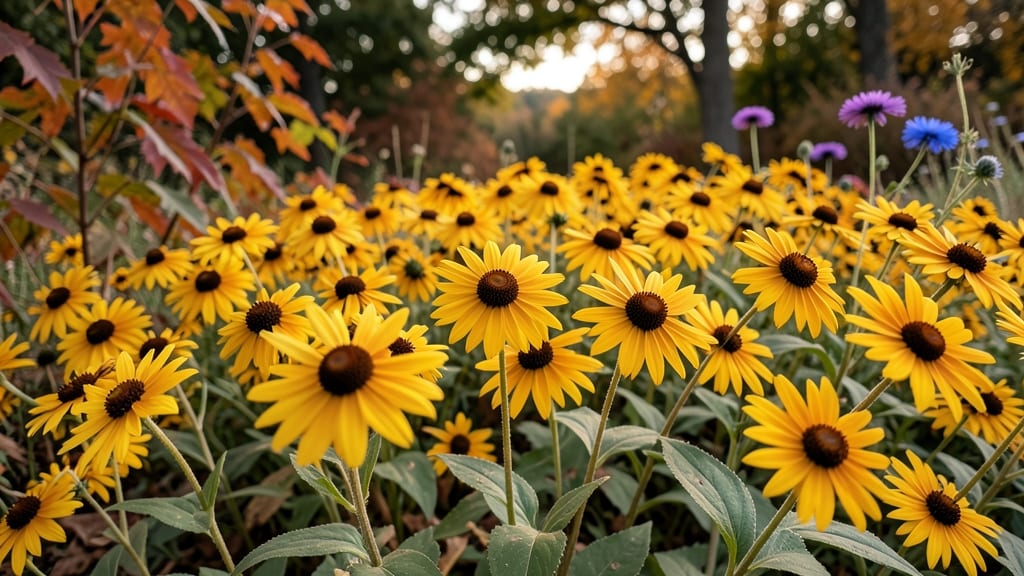
Fall gardens don’t have to be dull—these stunning flowers bloom beautifully in September and October, adding vibrant color and texture to your outdoor spaces. Perfect for extending your garden’s season, these late-season bloomers attract pollinators and create breathtaking focal points.
Mums for Bold Fall Color
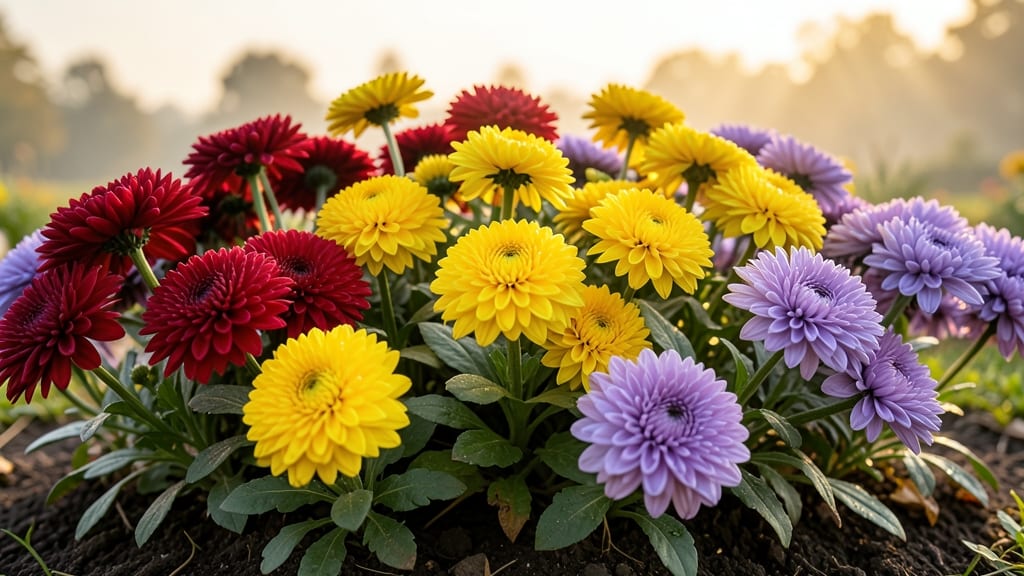
When your garden starts to fade in late summer, chrysanthemums (mums) swoop in like nature’s fireworks, offering a dazzling display of reds, yellows, and purples that last well into October. These hardy perennials (or annuals, depending on the variety) are the unsung heroes of fall color, thriving when many other flowers have already bowed out.
For maximum impact, plant mums in full sun to partial shade and choose varieties based on your climate—some bloom continuously until frost, while others are bred for long vase life if you prefer cut flowers. Deadhead spent blooms to encourage more flowers, and fertilize lightly with a balanced formula every 4-6 weeks. They’re also drought-tolerant once established, making them perfect for low-maintenance gardeners.
Whether you’re lining a walkway, filling containers, or creating a dramatic mass planting, mums deliver instant gratification with their vibrant hues and long-lasting blooms. Urban gardeners and beginners will love how easy they are to grow—just don’t forget to protect them from late-season pests like spider mites. 🌻
Asters for Late-Season Pollinators
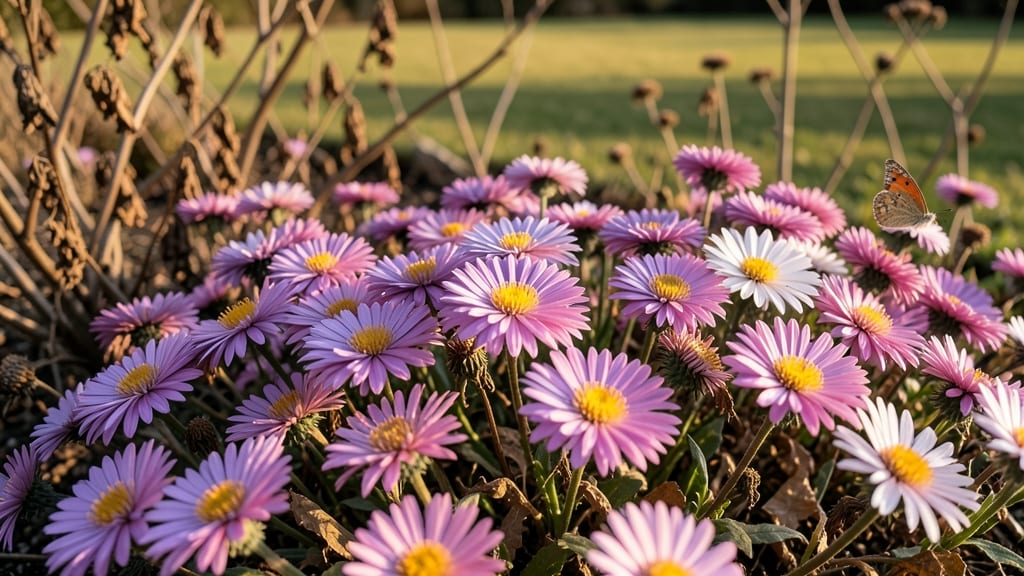
When most gardens fade into brown, asters burst into vibrant purple, pink, and white daisy-like blooms—nature’s last call for hungry pollinators. These hardy perennials thrive in cooler weather, offering bees and butterflies a critical food source when few other flowers remain.
Plant asters in full sun to partial shade and well-drained soil for best results. Varieties like 'Patriot' (deep purple) or 'Pink Dumpling' (compact blooms) add texture to wildflower meadows or cottage gardens. Deadhead spent blooms to encourage more flowers and prevent self-seeding where unwanted.
Perfect for pollinator gardens, asters require minimal care while delivering maximum impact. Their late-season beauty makes them a must-have for gardeners who want to keep their landscapes buzzing with life well into autumn. 🌻
Japanese Anemones for Elegant Grace
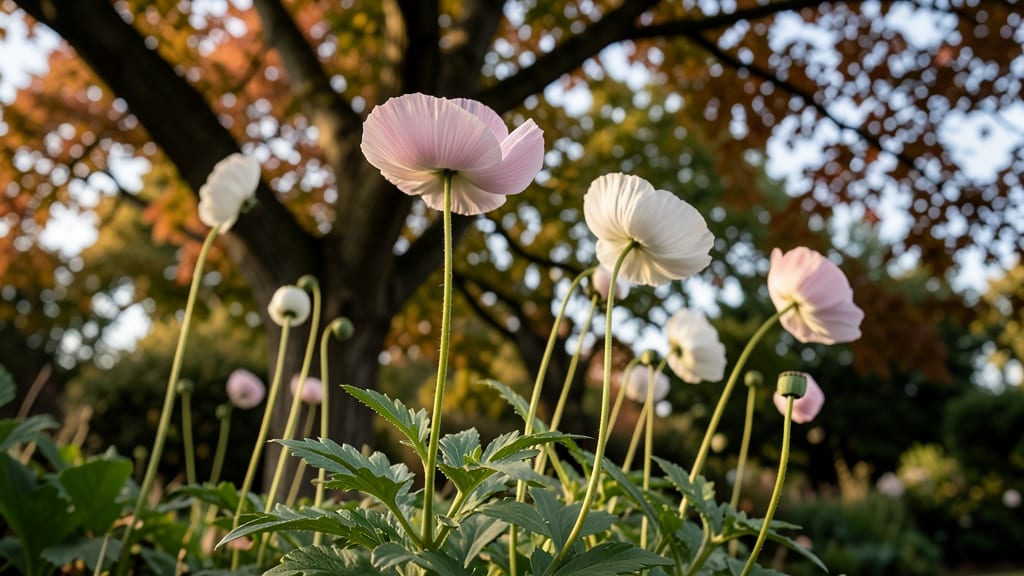
When your garden needs a touch of refined elegance after summer’s bold displays, Japanese anemones (Anemone × hybrida) step in with their soft pink or white, cup-shaped blooms that dance on long stems. These late-season stars thrive in partial to full shade, making them perfect for under trees or along north-facing walls where other flowers struggle.
Plant them in well-draining, moist soil enriched with compost, and they’ll reward you with blooms from late August through October. Their cut-flower potential is a hidden gem—snip stems for dramatic, long-lasting arrangements that last weeks in vases. Deadhead spent blooms to encourage more flowers, and mulch around the base to protect roots in early frost.
Ideal for gardeners who love textural contrast or want to extend their cutting garden season, these anemones pair beautifully with ferns and hostas for a woodland-inspired look. Their graceful habit makes them a standout for shady borders or container gardens. 🌷
Goldenrod for Sunny Meadows
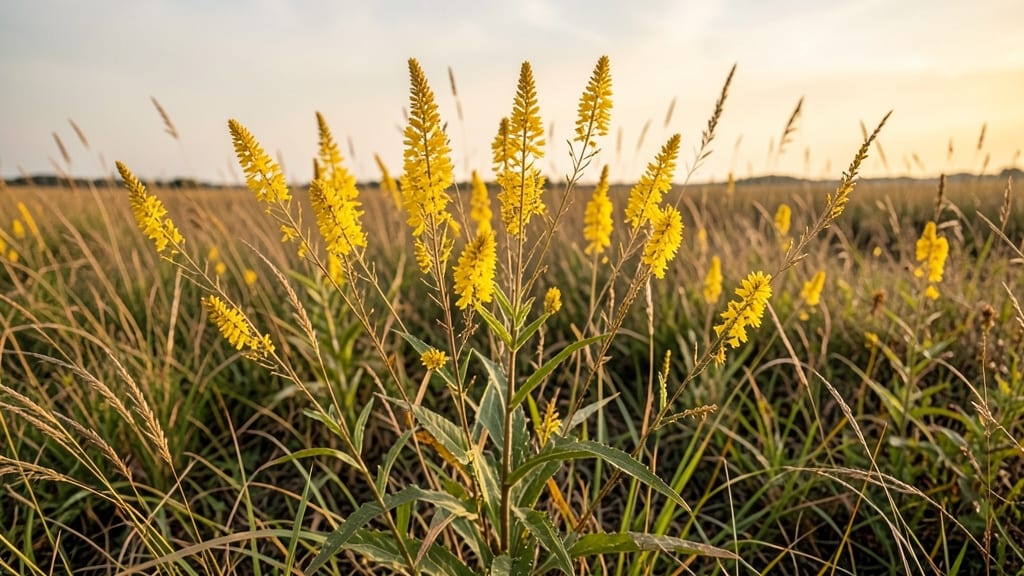
If you’ve ever dismissed goldenrod as just another weedy plant, think again—this drought-tolerant native is a late-season superhero for sunny meadows. While ragweed gets blamed for allergies, goldenrod’s bright yellow plumes bloom from August through October, offering butterfly magnets and a golden glow that brightens fall landscapes.
Goldenrod thrives in full sun and well-drained soil, making it ideal for wildflower meadows, prairie gardens, or even urban sunny patches. Deadhead spent blooms to encourage more flowers, and watch as it attracts monarchs, swallowtails, and other pollinators when few other flowers remain. Its towering stems (2–4 feet tall) add vertical interest to borders or naturalized areas.
Perfect for eco-conscious gardeners, goldenrod requires minimal care and supports local ecosystems. Plant it in clusters for maximum impact—your garden (and pollinators) will thank you! 🌻
Cockscomb for Dramatic Texture
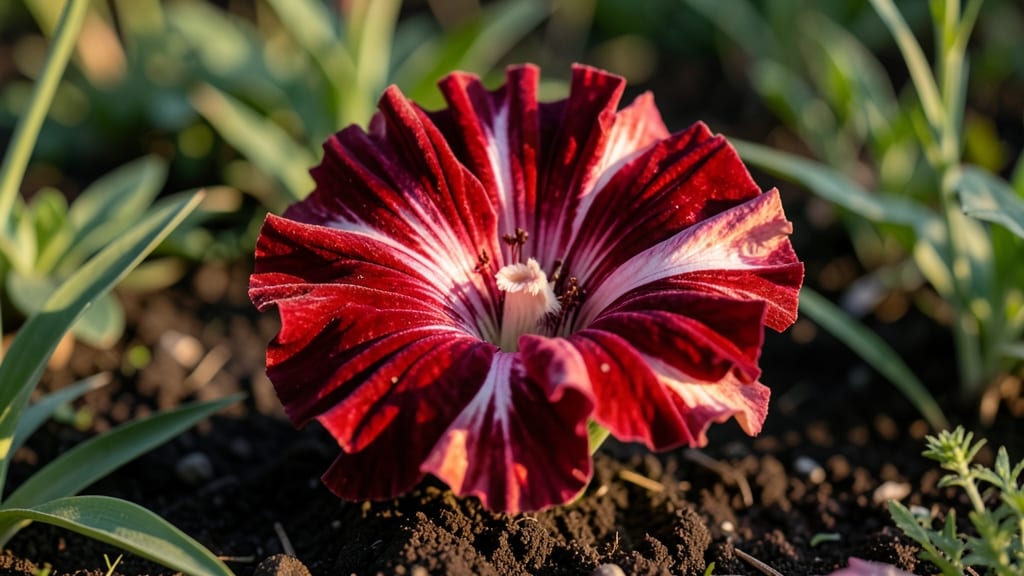
If you crave a flower that looks like it belongs in a surrealist painting rather than your garden, cockscomb (Celosia argentea) delivers with its velvety, brain-shaped blooms in deep red, pink, or white. These late-season stars thrive in the spotlight, offering a bold, architectural contrast that elevates mixed borders or containers from ordinary to extraordinary.
Grow cockscomb in full sun and well-drained soil for the most vibrant blooms, which appear from mid-summer through October. Its heat-tolerant nature makes it ideal for hotter climates, while its compact size (1-3 feet tall) fits perfectly in small spaces. Snip back spent blooms to encourage new growth, and deadhead regularly to prolong flowering. The foliage also adds texture, with deep green leaves that provide a striking backdrop for the dramatic blooms.
Urban gardeners and container enthusiasts will love how cockscomb transforms even the smallest space with its sculptural form. Pair it with mums or asters for a high-impact fall display that turns heads. 💚
Sedum for Low-Maintenance Beauty
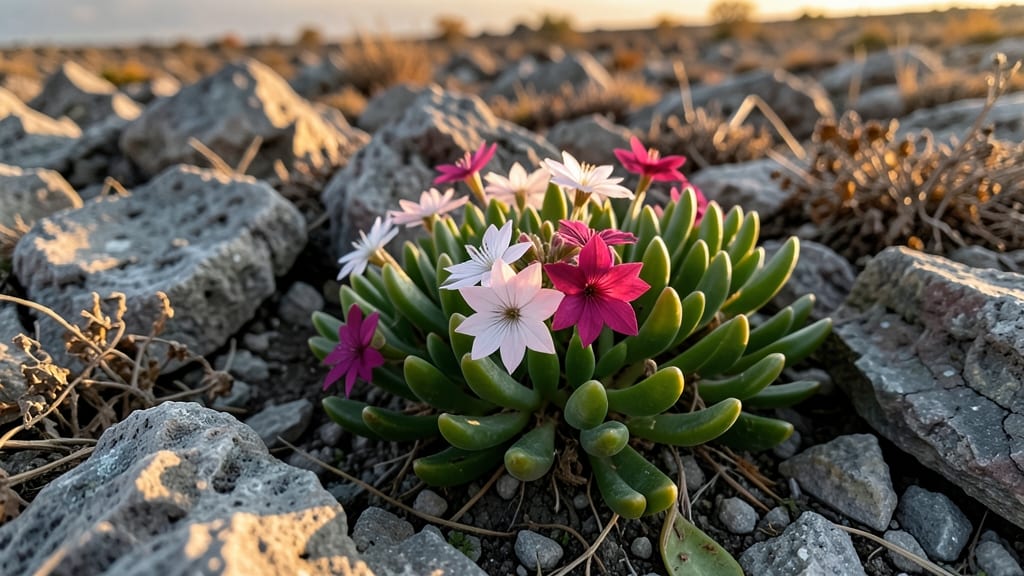
If you’ve ever struggled with drought-prone gardens or rocky soil, sedum (stonecrop) is your secret weapon for late-season color. This hardy succulent thrives where other plants fail, producing delicate clusters of star-shaped flowers in pink, white, or red that bloom from September through October—just when many gardens are fading.
Plant sedum in full sun and well-draining soil, even in cracks of sidewalks or between rocks. Varieties like 'Autumn Joy' or 'Matrona' offer bold foliage and long-lasting blooms, while 'Dragon’s Blood' adds deep burgundy contrast. Prune back stems after flowering to keep plants tidy, and they’ll reward you with year-round interest from their succulent leaves.
Perfect for rock gardens, green roofs, or urban containers, sedum requires almost no water once established. It’s the ideal choice for busy gardeners or those with challenging growing conditions who still want vibrant fall color. 🌱
Russian Sage for Fragrant Height
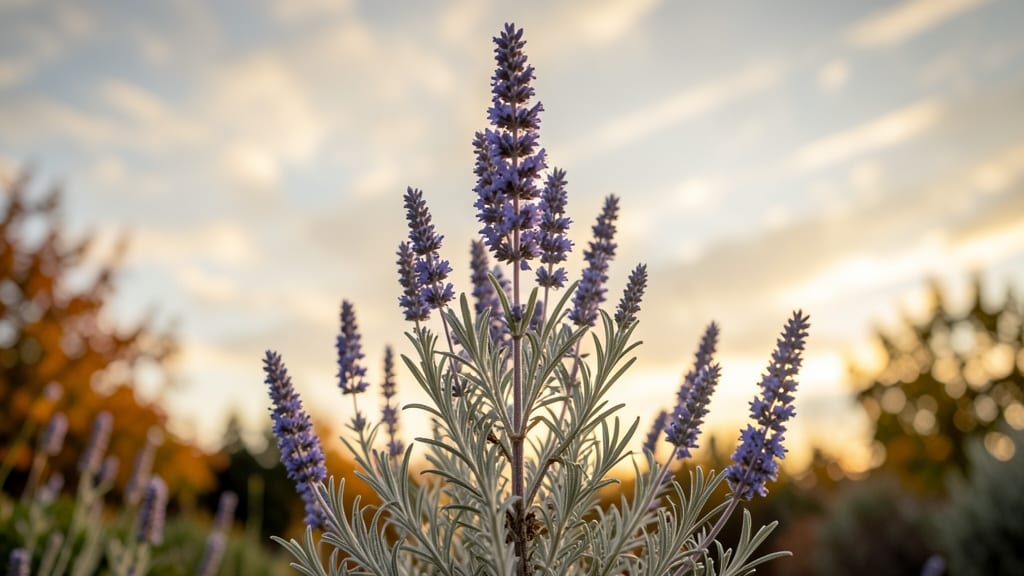
If you’re craving a fragrant, towering statement plant that keeps blooming long after most gardens have gone quiet, Russian sage (Perovskia atriplicifolia) is your secret weapon. This drought-loving perennial stands 4–5 feet tall, its lavender-blue flower spikes reaching skyward from late summer through October—often well into November in mild climates.
Plant it in full sun with well-drained soil, and watch it thrive with almost no fuss. The silvery-green foliage adds texture year-round, while its aromatic scent (reminiscent of eucalyptus) wafts through the air when brushed against. Prune back in early spring to encourage bushier growth, and deadhead spent blooms to keep flowers coming. It’s deer-resistant and drought-tolerant, making it ideal for xeric landscapes or as a backdrop for shorter perennials.
Perfect for gardeners who want height, fragrance, and late-season color without the maintenance, Russian sage is a versatile workhorse that pairs beautifully with goldenrod, asters, or ornamental grasses. Add it to borders, meadows, or even containers for a dramatic vertical accent that keeps your garden buzzing until frost. 💚