
Blooming
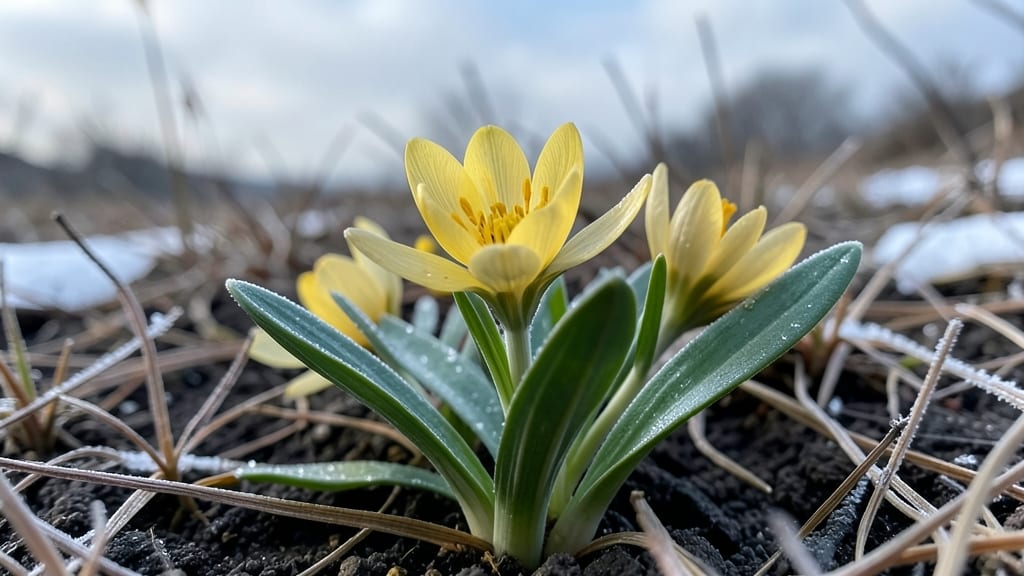
Winter’s chill shouldn’t stop your garden dreams. These 10 cold-hardy flowers defy frost, blooming vibrantly even when temperatures drop, adding color and life to your outdoor spaces.
Snowdrops Delicate White Blooms
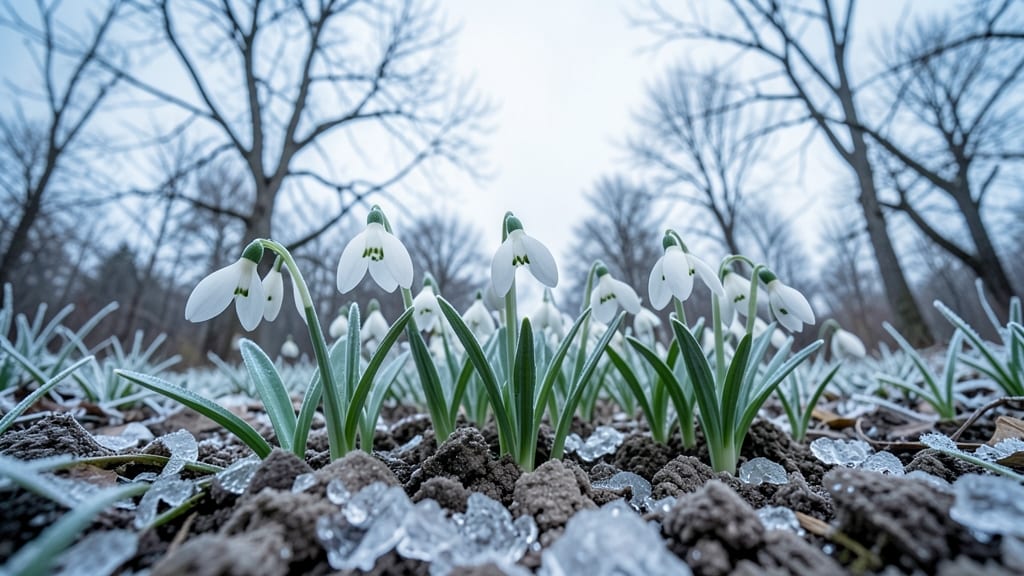
When winter’s grip tightens and most gardens lie dormant, snowdrops (Galanthus) emerge like tiny messengers of spring, their delicate white blooms piercing through frost-kissed soil. These iconic winter flowers aren’t just early bloomers—they’re symbols of resilience, often appearing in late winter or early spring when temperatures still hover near freezing.
Perfect for deep shade gardens, snowdrops thrive under trees or in woodland settings where sunlight is scarce. Plant bulbs in well-draining soil, 3–4 inches deep, and space them 2–3 inches apart for natural clusters. Their low-maintenance nature makes them ideal for gardeners who want winter color without fuss—just water occasionally during dry spells, and they’ll reward you with cheerful blooms year after year.
Urban gardeners and shade lovers will adore snowdrops for their ability to brighten dark corners, while their historical ties to folklore make them a meaningful addition to any winter garden. 🌱
Winter Jasmine Golden Clusters
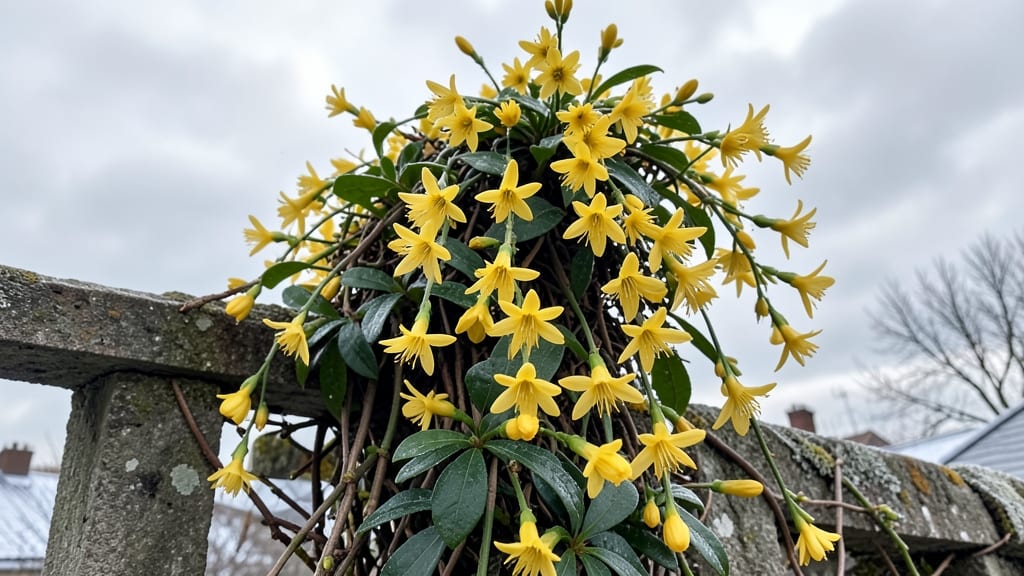
When late winter’s gray skies feel like a blank canvas, winter jasmine bursts onto the scene with its golden clusters, turning walls and trellises into sunlit masterpieces. This semi-evergreen climber thrives where many plants fade—blooming from February to April and offering early nectar to bees when food is scarce.
Plant it against a north-facing wall or trellis to catch winter sunlight, as it prefers full sun to partial shade. Prune back old stems after flowering to encourage fresh growth, and watch it cascade like a living waterfall of cheer. Unlike many winter bloomers, winter jasmine tolerates dry soil once established, making it ideal for urban gardens or rocky slopes.
Perfect for gardeners who want instant vertical interest with minimal fuss, this plant brightens even the coldest corners while supporting pollinators. 🌻
Hellebore Evergreen Winter Roses
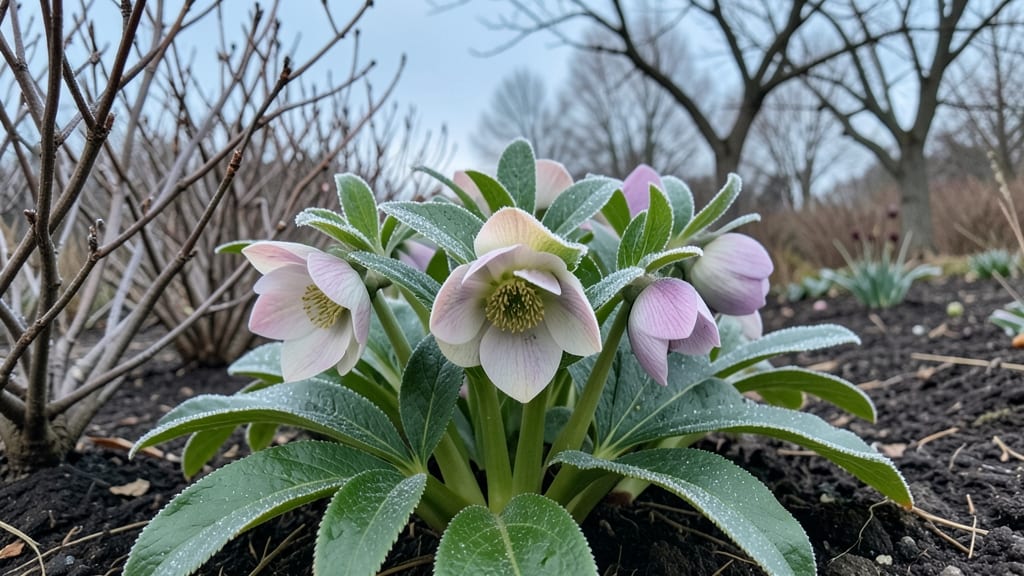
If your garden looks like a blank canvas in late winter, hellebores—also called Lenten roses—are your secret weapon. These evergreen perennials defy the cold, blooming from February through April with their delicate, nodding flowers in soft pinks, whites, or purples, often before spring bulbs even appear.
Thriving in shady spots where most plants struggle, hellebores tolerate partial to full shade and even improve over time. Their leathery, dark green foliage stays attractive year-round, while their unique flowers attract early pollinators like bees. Deadhead spent blooms to encourage more flowers, and mulch in winter to protect their roots from extreme cold.
Perfect for beginners or busy gardeners, hellebores require minimal care and reward you with months of color when other plants are still dormant. 🌷
Crocus Purple and White Stars
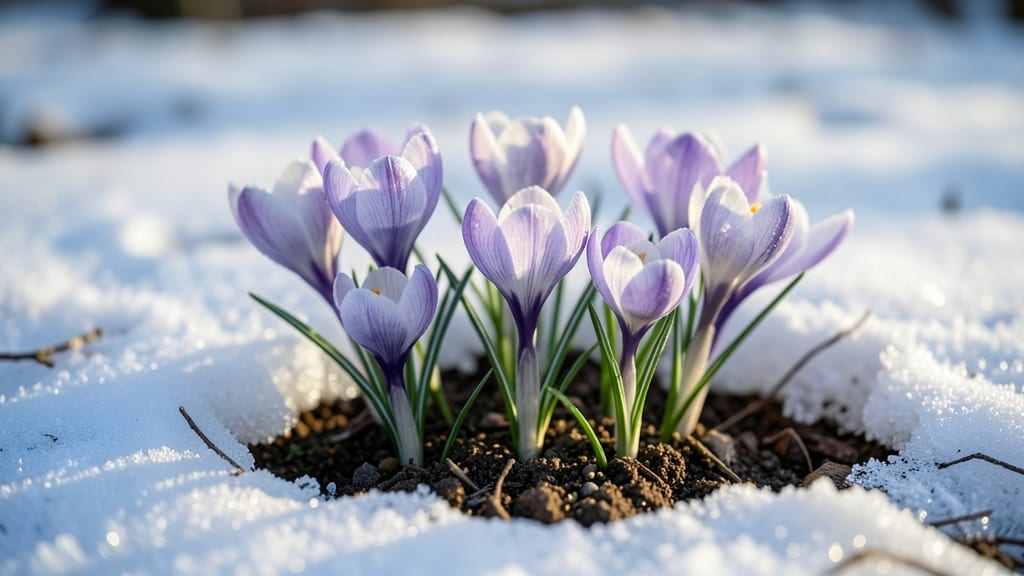
When winter’s first snow begins to melt, crocuses burst through like tiny purple and white stars, defying the cold with their cheerful blooms. These hardy perennials thrive in USDA zones 3-8, making them ideal for early-season color in cold climates where other plants remain dormant.
Plant crocus corms in fall (4-6 weeks before the ground freezes) in full sun to partial shade, 3-4 inches deep and 3-4 inches apart. They naturalize beautifully in lawns or containers, multiplying over time for stunning displays. Their early blooms also provide critical nectar for bees emerging from winter dormancy.
Perfect for beginners or urban gardeners with limited space, crocuses require almost no maintenance once established. Just add them to your winter garden for a burst of color that says spring is on the way. 🌱
Pansies Cold-Resistant Faces
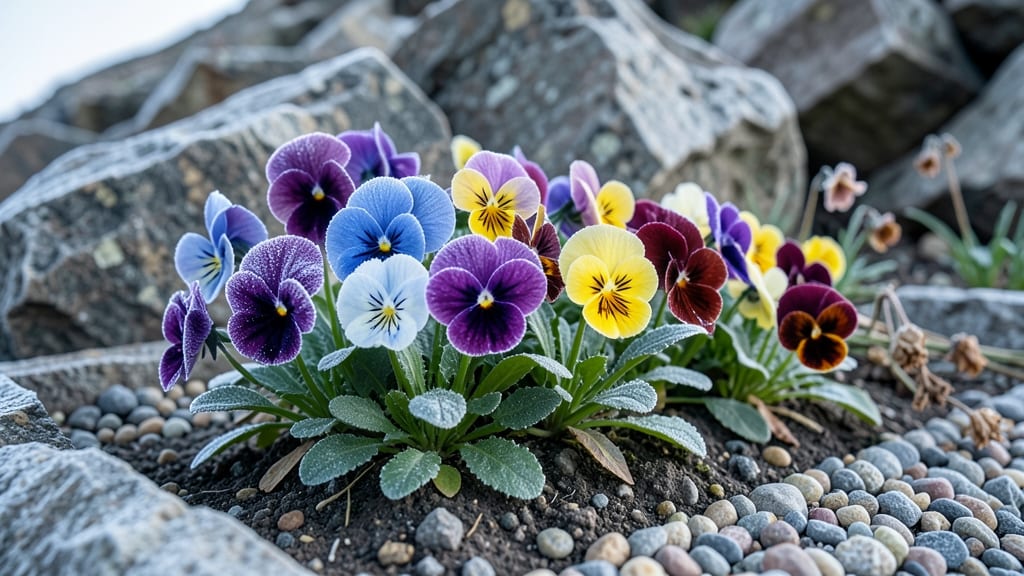
When winter’s first frost arrives, most gardeners pack up their blooms—but pansies refuse to quit. These hardy annuals thrive in temperatures as low as 20°F (-6°C), making them the perfect winter survivors for containers, borders, or even rocky slopes.
Choose from over 100 color combinations, including deep purples, sunny yellows, and classic blues, to brighten up your garden. Plant them in well-draining soil with 4-6 hours of sun daily, and water sparingly—overwatering can cause rot. Deadhead spent blooms to encourage more flowers, and watch them bounce back after light frosts with minimal care.
Urban gardeners and small-space lovers will adore pansies for their versatility—they spill beautifully over pots, line walkways, or fill gaps in mixed borders. With their cheerful faces, they’re the ultimate winter mood booster! 🌟
Daffodils Frost-Proof Trumpets
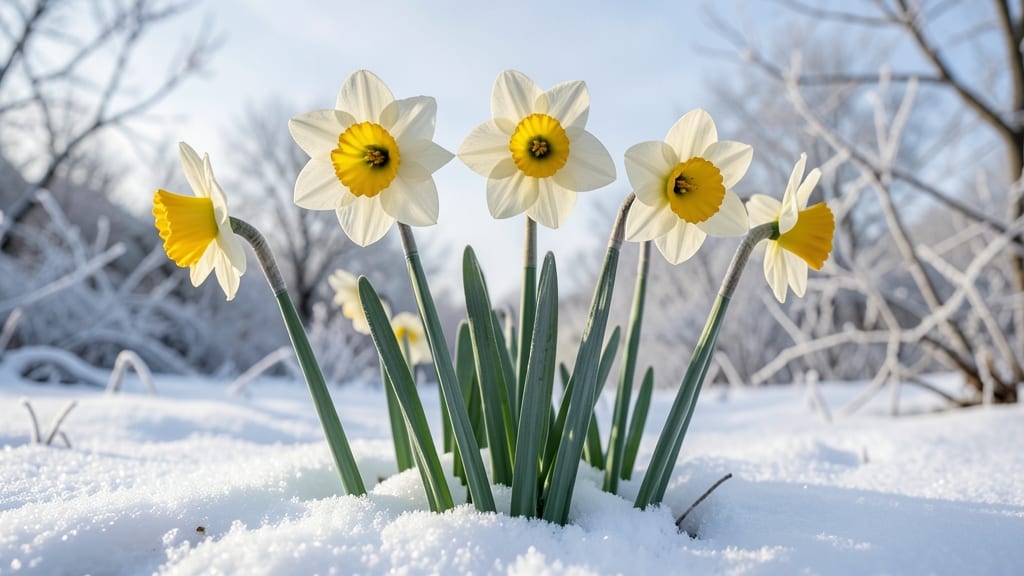
When winter’s frost paints everything white, daffodils stand tall like golden trumpets, announcing spring’s arrival with bold confidence. Unlike many winter bloomers, these perennials thrive in full sun and tolerate temperatures as low as 10°F, making them the ultimate low-maintenance champion for cold climates.
Plant daffodil bulbs in fall (6-8 weeks before frost) in well-draining soil, 6 inches deep and 4-6 inches apart. Their natural pest-repelling properties deter squirrels, deer, and even some bulb-eating insects—no extra chemicals needed! Choose varieties like 'Tête-à-Tête' for compact blooms or 'Ice Follies' for pristine white trumpets that brighten snowy landscapes.
Perfect for beginners or gardeners who crave reliability, daffodils multiply over time, creating stunning naturalized drifts. Their cheerful blooms also signal to pollinators that spring is near. 🌻
Heather Compact Purple Cushions
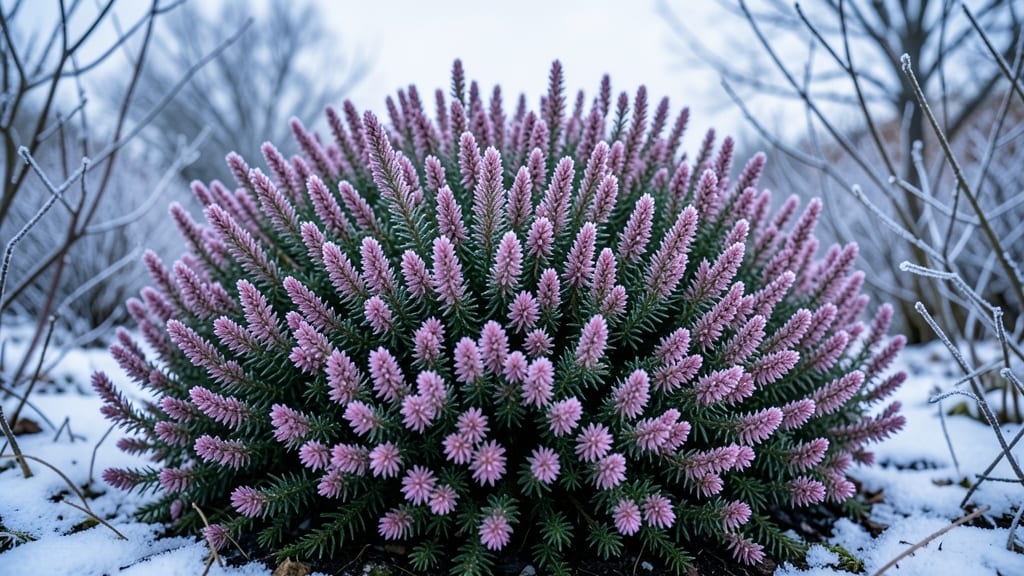
When your garden feels like a winter monochrome, dwarf heather emerges as a purple-pink powerhouse, defying frost with its dense, velvety blooms. Unlike spring ephemerals, these compact shrubs (like Calluna vulgaris) burst into color from late winter through early spring, offering bees their first nectar feast of the season when food is scarce.
Thriving in poor, sandy, or rocky soil where most plants struggle, heather prefers full sun to partial shade and tolerates dry conditions once established. Shear back old growth after flowering to encourage fresh growth, and mulch lightly to protect roots in extreme cold. Their mounding habit (12–18 inches tall) makes them perfect for rock gardens, slopes, or container edges.
Urban gardeners and pollinator enthusiasts will love how heather transforms dull winter corners into buzzing hubs of activity. Just add a handful to your design for year-round structure and a splash of late-winter color. ✨
Sweet Alyssum Tiny White Clusters
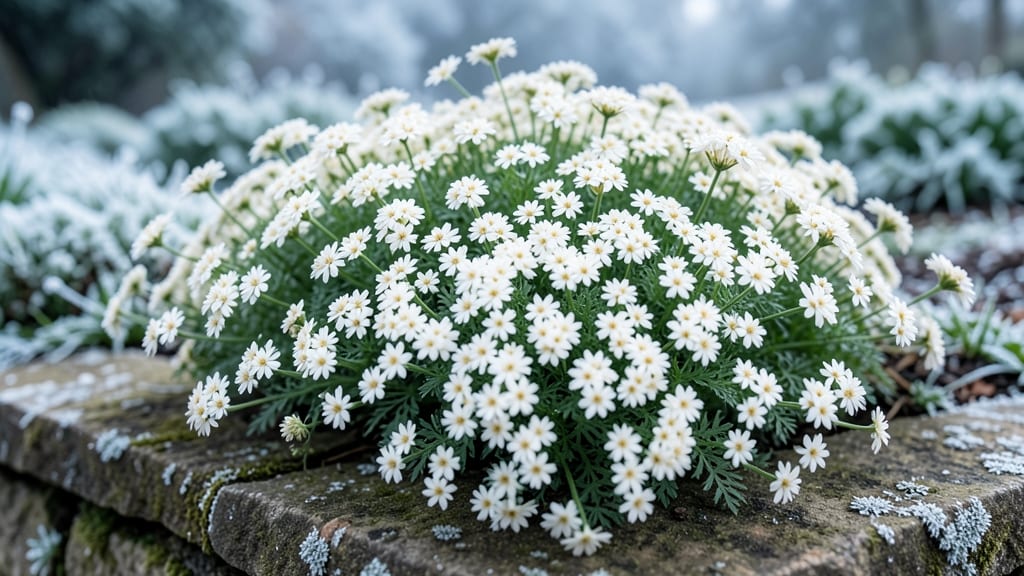
While other winter flowers focus on bold colors or vertical drama, sweet alyssum steals the show with its ethereal white clusters and intoxicating honey scent that lingers in cold air. This delicate annual isn't just pretty—it's a winter workhorse that thrives when temperatures dip, making it perfect for gardeners who want fragrance and texture without the fuss of perennials.
Sow seeds directly in well-draining soil from late summer to early fall for winter blooms, and watch it cascade over walls, fill gaps in borders, or spill from containers. The key to success? Keep it lightly moist but never soggy—this plant hates wet feet. Its self-cleaning habit means deadheading isn't necessary, though a light trim after flowering encourages more blooms.
Urban gardeners and cottage-style enthusiasts will love sweet alyssum for its romantic charm—pair it with pansies or heather for a winter border that smells as good as it looks. The bees will thank you too! ✨
Bleeding Heart Winter Varieties
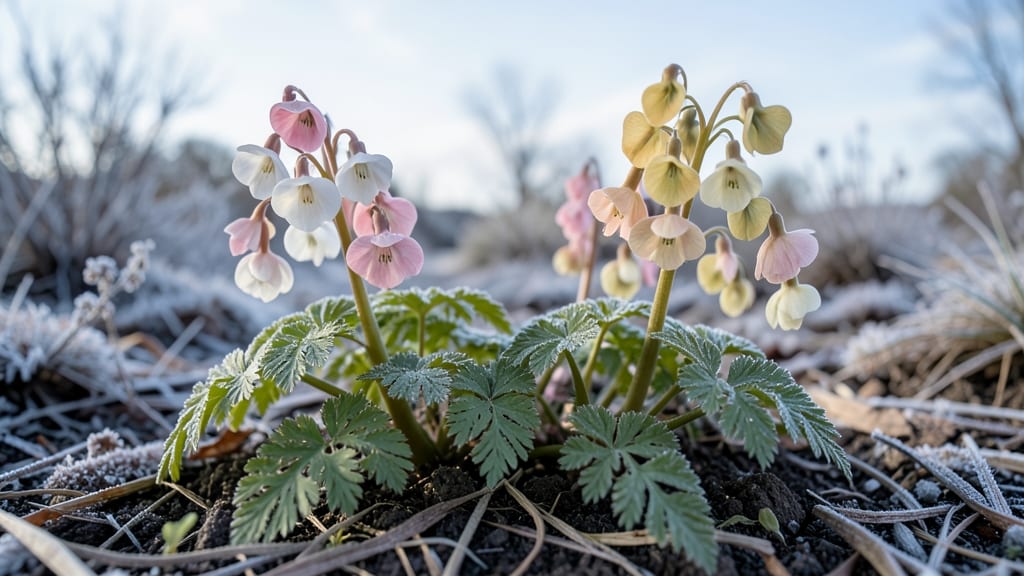
While most gardens fade into dormancy, bleeding heart winter varieties like Dicentra spectabilis 'Gold Heart' or 'Alba' surprise with delicate blooms that emerge in early spring, often before other perennials wake up. These hardy cultivars thrive in USDA zones 3-8, making them perfect for cold climates where shade dominates—think woodland edges or north-facing borders.
Plant these arching perennials in moist, well-draining soil with partial to full shade, and mulch heavily in winter to protect their tender roots. Their heart-shaped flowers, in shades of pink, white, or gold, create vertical drama while their fern-like foliage adds texture. Unlike traditional bleeding hearts that die back in winter, these varieties return year after year with minimal care.
Shade garden enthusiasts and woodland gardeners will love how these plants transform dull corners into dreamy spring scenes. Pair them with hellebores or ferns for a layered, evergreen effect that lasts all season. ✨
Winter Aconite Golden Sunbursts

When your garden feels like it’s taking a long winter nap, winter aconite (Eranthis hyemalis) bursts onto the scene with its bright golden sunbursts, proving that cheer doesn’t need to wait for spring. These tiny but mighty blooms appear in late winter to early spring, often when snow still lingers, and thrive in conditions where other plants would struggle—like rocky, poor, or well-draining soil that might otherwise be considered "unplantable."
Plant the tuberous roots in fall (4-6 weeks before frost) in partial shade to full sun, and watch them spread naturally over time, creating lush carpets of color. Unlike many winter bloomers, winter aconite tolerates dry conditions once established, making it perfect for urban gardens, slopes, or even between stepping stones. Its early blooms also provide a critical food source for emerging bees, giving pollinators a much-needed energy boost.
Rock garden enthusiasts and low-maintenance gardeners will love winter aconite for its effortless charm—it multiplies happily, requires no staking, and brings sunshine to even the darkest corners of the garden. 🌻