
Blooming
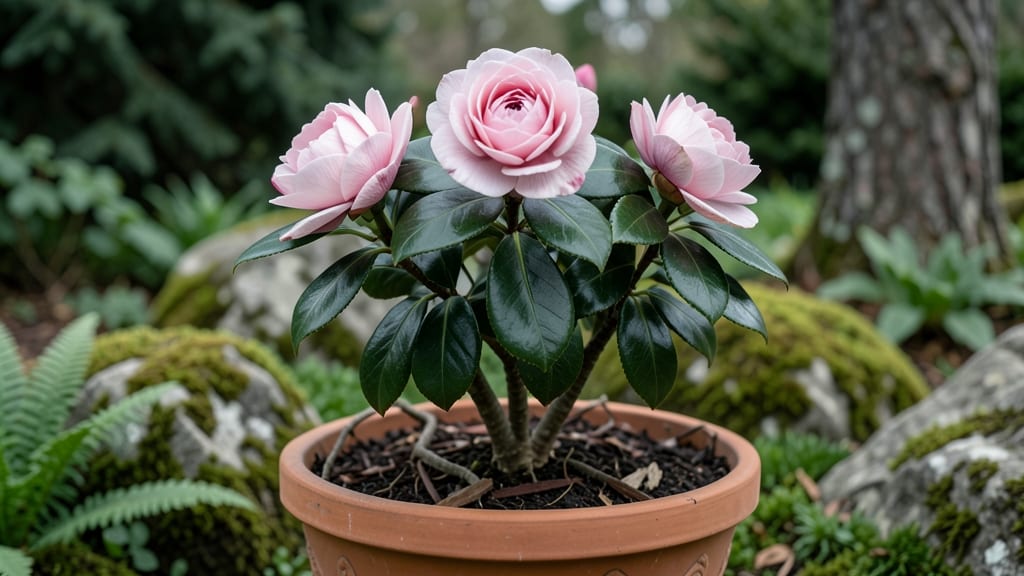
Double bloom camellias transform your garden into a year-round floral masterpiece—if you prune them right. ✨ The secret to those lush, layered blooms lies in understanding when and how to shape them, and I’ve cracked the code after years of trial and error with my own collection.
Most gardeners either prune too late or too aggressively, but the timing is everything for encouraging that second flush of flowers.
The magic happens in four key seasons, each with its own rules. Spring is about cleaning up winter damage, summer focuses on shaping for airflow, fall sets the stage for next year’s blooms, and winter—yes, even then—requires gentle maintenance.
You don’t need fancy tools: just sharp pruners, a little patience, and a calendar reminder for each season’s tasks. My 5-year-old camellias now produce blooms from late fall through early spring, and the technique works for both new plants and established shrubs.
What you’ll end up with is a camellia that looks like it belongs in a botanical garden, not your backyard. The blooms arrive in waves—first the bold winter flowers, then a second flush in spring—while the glossy leaves stay vibrant all year.
The best part? You’ll spend less time struggling with overgrown branches and more time admiring the results. Even my black thumb can’t mess this up once you know the rhythm.
Works for both sunny and partially shaded spots, from containers to in-ground plantings. Let’s get those blooms multiplying—season by season, year after year.
📚 In This Guide
- What you need
- Instructions
- Tips and common mistakes
- Wrapping up and next steps
What you need
- ● Double Bloom Camellia Plant: Choose a healthy, disease-free specimen (ensure it’s labeled as a double-blooming variety, like Camellia japonica or Camellia sasanqua hybrids).
- ● Well-Draining Soil: Mix 60% acidic potting soil (pH 5.0–6.5) with 40% organic matter (like peat moss or compost). Pro tip: Avoid alkaline soils!
- ● Organic Fertilizer: A balanced, slow-release fertilizer (e.g., 10-10-10 or camellia-specific blend) for spring/fall feeding.
- ● Mulch: Pine bark or wood chips (2–3 inches thick) to retain moisture and regulate soil temperature.
- ● Bypass Pruners: Sharp, clean pruners (sterilize with rubbing alcohol between cuts).
- ● Hand Pruners (for small branches): 4–6-inch blades for precision trimming.
- ● Loppers: For thicker branches (up to 1-inch diameter).
- ● Garden Gloves: Heavy-duty to protect against thorns and sap.
- ● Disinfectant: 10% bleach solution or hydrogen peroxide to prevent disease spread.
- ● Pruning Paint: Seal cuts on large branches to prevent disease.
- ● Soil pH Test Kit: Monitor acidity levels for optimal growth.
- ● Drip Irrigation System: For consistent moisture (camellias love hydration!).
- ● Shade Cloth: Protect young plants from harsh afternoon sun.
Step-by-Step pruning calendar for four seasons of double bloom camellias
Here's how I keep my camellias flowering nonstop—no guesswork, just seasonal timing.
✂️ Step 1: Late Winter Pruning for Spring Growth
Right after your last frost date—typically February to early March—is when I prune for spring blooms. Camellias bloom on old wood, so I only remove dead, crossing, or weak stems. Never cut into last year's growth where buds form. Use clean, sharp pruners to make 45-degree cuts just above a bud or outward-facing leaf.
This is also when I thin out crowded branches by about 20% to improve air circulation. You'll see fresh green shoots emerging within 3-4 weeks—that's your signal the plant is waking up. Avoid heavy pruning now; it stresses the plant before its active growth phase.
🌿 Step 2: Post-Bloom Maintenance in Early Summer
After spring blooms fade—usually May to June—I do light shaping pruning. Remove any spent blooms by cutting back to the nearest healthy leaf or bud. This encourages the plant to redirect energy toward next year's buds rather than seed production. I also check for any new growth that might be competing with established branches and trim it back to maintain the plant's natural shape.
Here's the thing—don't overdo it. Camellias are sensitive to aggressive summer cuts. Just a few strategic snips to open up the center and remove any deadwood keeps the plant healthy without shocking it. You'll notice new growth starting at the base of the plant within 2 weeks if you've pruned correctly.
☀️ Step 3: Light Pruning for Fall Blooms
In August to September, I do minimal pruning—just enough to keep the plant tidy. Remove any remaining dead blooms or leaves that might harbor pests. This is also when I check for any suckers growing from the base and trim them back. The goal is to let the plant focus on setting next season's buds rather than putting energy into new growth.
I avoid heavy pruning now because the plant is preparing for dormancy. You'll see the first signs of fall blooms starting to form in late September if you've kept the plant healthy. If you notice any branches that are growing too close together, lightly thin them out to prevent future crowding.
⏰ Step 4: Winter Dormancy Care
During the winter months—October to January—I don't prune at all. This is the plant's dormant period, and any cuts now would only stress it. Instead, I focus on protecting the plant from harsh weather. If you live in a cold climate, consider wrapping the plant in burlap or using a frost cloth to protect it from freezing temperatures.
I also check the soil moisture during this period, making sure it's not too dry or too wet. Camellias prefer slightly acidic, well-draining soil, so if you notice any signs of stress like yellowing leaves, it might be time to adjust your soil pH or drainage. This is the time to plan your pruning schedule for the next season, based on what you observed during the growing season.
Tips & tricks for perfect four-season camellia care
These simple strategies will help you keep your camellias blooming beautifully year-round with minimal effort.
Tool Prep: Always disinfect your pruners with rubbing alcohol before and after each pruning session. I learned this the hard way after my camellias developed fungal issues from contaminated tools. Clean cuts heal faster and reduce disease risk. Store your pruners in a dry place to prevent rust, which can dull the blades and make cuts jagged.
Seasonal Timing Secret: Pay attention to your local frost dates—this is your cue for Step 1 pruning. If you're unsure, check your average last frost date online or ask your local nursery. The 3-4 week growth window after pruning is critical; if you miss this, you might delay spring blooms. Mark your calendar now so you don't forget!
Visual Cue for Step 2: When removing spent blooms in early summer, look for the small green buds forming at the base of each stem. These are next year's blooms—handle them gently to avoid damage. If you see any buds already forming, that's your sign to be extra careful with your cuts. The 2-week growth check after pruning is your best indicator of success.
Winter Protection: If you live in a cold climate, don't wait until winter to prepare your camellias. Start monitoring soil moisture in late fall—camellias hate soggy roots during dormancy. I wrap mine in burlap and add a thick layer of mulch around the base to insulate roots. This simple step prevents winter damage that can reduce next year's blooms.
Pro Tips for Double Bloom Camellia
- These simple strategies will help you keep your camellias blooming beautifully year-round with minimal effort.
- Tool Prep: Always disinfect your pruners with rubbing alcohol before and after each pruning session.
- Seasonal Timing Secret: Pay attention to your local frost dates—this is your cue for Step 1 pruning.
Frequently asked questions
Got questions about nurturing your double bloom camellia to keep those stunning flowers coming year-round? Here are some of the most common queries—and their answers—to help you grow with confidence!
Why does my double bloom camellia only flower once a year?
Double bloom camellias are bred to produce two flushes of flowers—typically in fall/winter and spring—but they need proper care to perform. Pruning at the right time (after the first bloom) and ensuring consistent moisture/water are key. If only one flush appears, check for over-pruning, poor drainage, or nutrient deficiencies. A balanced fertilizer in early spring can encourage a second bloom!
When is the best time to prune for double blooms?
Timing is everything! Prune right after the first bloom cycle ends (usually late winter/early spring) to shape the plant and encourage new growth. Avoid heavy pruning in fall—this can remove next year’s flower buds. Light trimming to remove dead or crossing branches is fine, but save major shaping for post-bloom. Pro tip: Use sharp, sterilized shears to prevent disease!
How do I prevent my camellia from dropping buds before they open?
Bud drop is often caused by environmental stress. Ensure your plant gets morning sun and afternoon shade (camellias hate scorching heat). Keep soil consistently moist but not soggy—drought or sudden watering changes can shock the plant. If buds drop after planting, it may need time to acclimate. A light layer of mulch helps retain moisture and stabilize temperatures.
Can I grow a double bloom camellia in a container?
Yes! Many double bloom varieties thrive in containers, but choose a large pot (at least 15–20 gallons) with drainage holes. Use a well-draining potting mix (like a blend for acid-loving plants) and repot every 2–3 years. Move containers gradually into shade during summer heat to avoid stress. Just remember: Container-grown camellias may need more frequent watering and fertilizer than in-ground plants!
Do double bloom camellias need winter protection?
Most double bloom camellias are hardy to USDA Zones 7–9, but young plants or harsh winters (below 10°F) may need help. Mulch heavily around the base (3–4 inches of organic mulch) to insulate roots. In extreme cold, wrap the plant loosely in burlap or frost cloth—avoid plastic, which can trap moisture and cause rot. If snow covers the plant, leave it be; snow acts as natural insulation!
Wrapping up and next steps
Growing a double bloom camellia is a rewarding journey that combines patience, care, and a little seasonal strategy! With the right pruning calendar—tailored to your climate—you’ll enjoy four stunning blooms a year, turning your garden into a year-round floral masterpiece. 🌸✨
Ready to take the next step? Start by observing your plant’s growth and adjusting your pruning schedule as needed. Share your progress with fellow gardening enthusiasts or join a local plant club for tips and inspiration—your camellia’s beauty is worth celebrating!