
Blooming
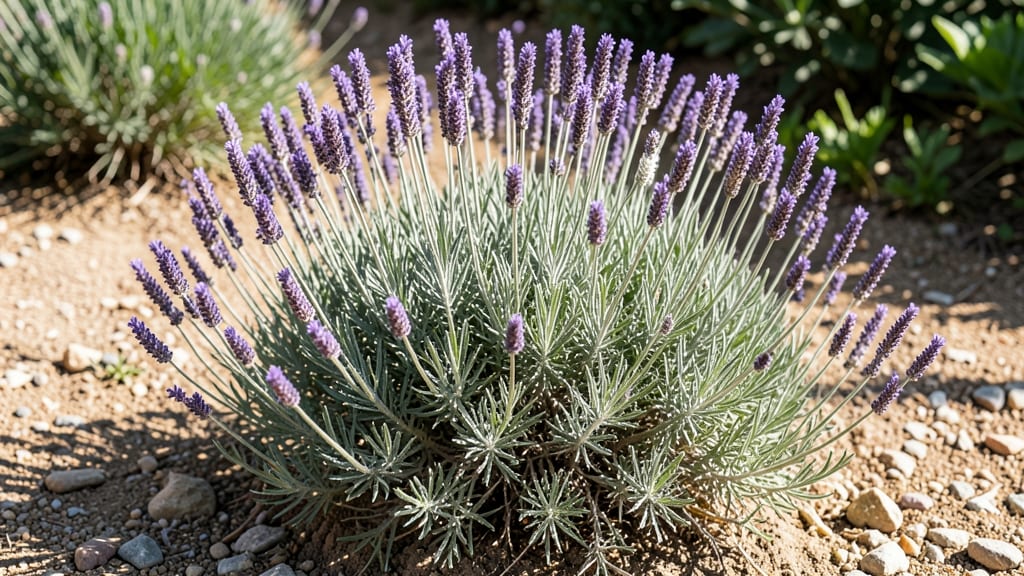
Many lavender varieties do bloom all summer, particularly heat-tolerant types like English and Spanish lavender, which trigger a second flush of flowers in late summer after heat-induced stress signals. Strategic pruning and well-draining soil create ideal conditions for prolonged flowering.
Lavender's summer-long blooming isn't just luck—it's science. 🌡️ The plant responds to summer heat by producing new flower buds, a process called reblooming. This happens because rising temperatures trigger hormonal changes that signal the plant to produce another set of buds.
However, this only works if you've pruned correctly after the first bloom—cutting back by about one-third encourages new growth. The key is balance: too much heat without proper care can stress the plant, while perfect conditions reward you with flowers from June through September.
Not all lavender varieties perform equally. For example, English lavender thrives in cooler climates but still reblooms with proper care, while Spanish lavender handles intense summer heat better. The soil plays a critical role too—lavender hates soggy roots, so well-draining, slightly alkaline soil is essential.
If you're growing lavender in containers, make sure they have drainage holes and use a mix designed for Mediterranean plants.
💡 In This Article
- Lavender Reblooming Science: Heat and Pruning Triggers
- Best Lavender Varieties for Long Summer Blooms
Lavender reblooming science: heat and pruning triggers
Lavender's second bloom happens because of a clever survival mechanism triggered by summer heat. When daytime temperatures consistently reach 85-95°F for several weeks, the plant experiences mild stress that actually stimulates new flower bud formation.
This heat-induced response is linked to shifts in plant hormones, particularly an increase in ethylene and abscisic acid, which signal the plant to produce another set of buds. Think of it like a biological reset button—just enough stress to prompt growth without harming the plant.
The timing of this rebloom depends on when you prune after the first flush. Cutting back by about one-third right after the first flowers fade (typically in early summer) removes spent blooms and encourages new growth.
This pruning also exposes more leaf surface to sunlight, which helps the plant photosynthesize efficiently for the next bloom cycle.
Without this pruning step, lavender often puts its energy into seed production rather than new flowers. 🌡️ The ideal scenario combines 6-8 hours of direct sunlight daily with well-draining soil that prevents root stress from excess moisture.
What most gardeners don't realize is that lavender's reblooming is also influenced by its photoperiod response—the way it reacts to changing daylight hours. As summer progresses, longer daylight periods combined with consistent heat create perfect conditions for the second bloom.
This is why lavender often produces its most vibrant late-summer flowers in regions with hot, dry summers. The plant essentially "reads" these environmental cues and responds by producing another flush of blooms, typically appearing in August or early September.
However, there's a delicate balance to maintain. Too much heat without proper care can actually harm lavender, causing the plant to become stressed and produce fewer flowers. The key is providing consistent moisture during establishment (first year) while allowing the soil to dry out between waterings afterward.
Mulching with gravel or small stones helps regulate soil temperature and prevents moisture retention. This mimics the plant's natural Mediterranean habitat, where summers are hot and dry but winters are cool.
For those growing lavender in containers, the reblooming process works similarly but requires extra attention to drainage. Use pots with drainage holes and a soil mix designed for Mediterranean plants, which typically contains 50-70% perlite or sand.
The right container setup prevents root rot while allowing the heat to penetrate the soil, which is crucial for triggering the rebloom cycle. I've found that terracotta pots work exceptionally well because they breathe and help regulate soil temperature naturally.
One common misconception is that all lavender varieties rebloom equally. While many do, some types like French lavender (Lavandula stoechas) are less consistent with their second bloom compared to English or Spanish varieties. The difference comes down to their natural growing habits and how they respond to heat stress.
Understanding these variations helps you choose the right type for your climate and maximize your chances of summer-long blooms. 🌸