
Blooming
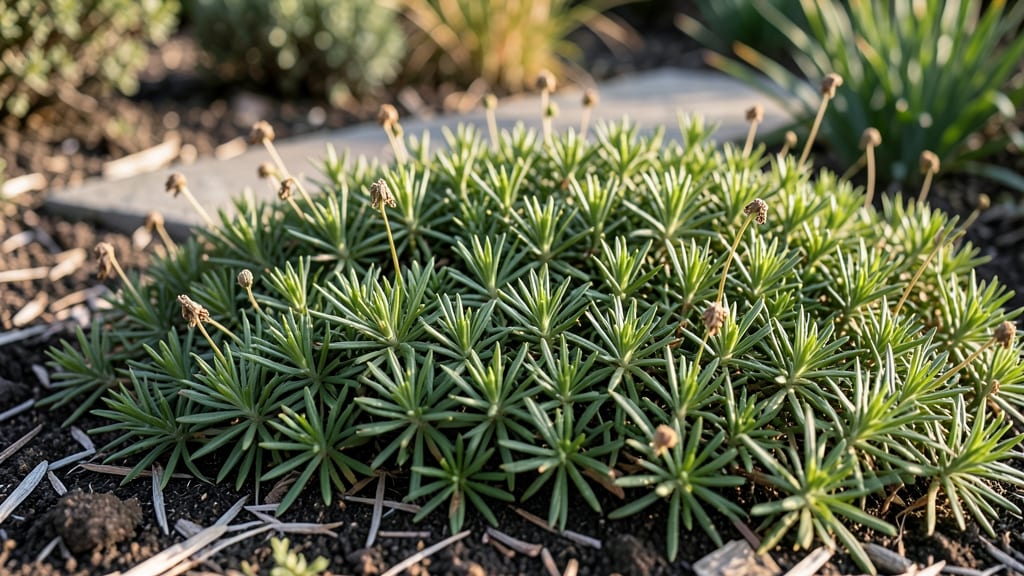
Creeping phlox does not bloom all summer—its flowers typically appear in spring, with some varieties reblooming lightly in early fall. Proper deadheading and seasonal care extend bloom duration but won’t create a continuous display.
Creeping phlox is a spring bloomer at heart, with most varieties putting on their best floral show between March and May. 🌸 The few reblooming types might produce a second, smaller flush in September or October, but this isn't the same as summer-long color.
What you can control is how long that initial spring display lasts—regular deadheading after blooms fade encourages new flower production, while proper fertilization and moisture management help sustain vigor. The key is understanding your specific cultivar, as some low-growing varieties like 'Emerald Blue' may linger slightly longer than others.
Climate plays a surprisingly big role too. In cooler northern regions, creeping phlox often performs best with a clear spring bloom followed by minimal fall interest. Meanwhile, in milder southern zones, some varieties might stretch their display into early summer before needing a break.
The secret weapon here is pruning—lightly trimming back leggy growth after the first bloom encourages bushier, more compact plants that can sometimes produce a few scattered flowers later in the season.
💡 In This Article
- Creeping Phlox Bloom Seasons and Variety Differences
- Deadheading and Care Tips to Maximize Creeping Phlox Blooms
Creeping phlox bloom seasons and variety differences
Creeping phlox (Phlox subulata) is genetically programmed for a spring bloom cycle, with most energy focused on producing flowers between March and May in temperate climates.
This timing aligns with its natural growth pattern—cool spring temperatures trigger bud formation, while warmer summer days signal the plant to shift resources toward foliage and root development. 🌿 What makes this fascinating is how the plant's internal clock (vernalization) responds to temperature fluctuations, similar to how bulbs like tulips time their blooms.
The few reblooming varieties you might encounter—like 'Emerald Blue' or 'Scarlet Flame'—produce a second, smaller flush in late summer to early fall, typically between September and October. However, these blooms are usually 20-30% smaller in quantity and duration compared to the spring display. The reason?
The plant's energy reserves are often depleted after the initial bloom, and summer heat can stress the plant, reducing its ability to produce abundant flowers. Varieties like 'Mauve Splendor' might push this slightly later, but even then, it's a brief extension rather than continuous color.
Climate zones dramatically influence bloom timing and duration. In USDA Zones 3-5, creeping phlox typically blooms for 4-6 weeks in spring, while in Zones 6-8, the window may stretch to 6-8 weeks due to milder winters and longer growing seasons.
The key difference is that warmer climates can sometimes trigger a second, weaker bloom cycle, but this is inconsistent. For example, in Zone 7, I've seen 'Pink Ridge' produce scattered blooms in late August, while the same variety in Zone 4 might only bloom once in spring.
What most gardeners overlook is how light exposure affects reblooming potential. Creeping phlox needs at least 6 hours of direct sunlight daily to produce its best spring display.
In shadier conditions (3-4 hours of sun), the plant may bloom later and more sparsely, with almost no chance of a fall rebloom. The plant's photosynthetic efficiency drops in lower light, reducing its ability to store enough energy for a second flowering cycle.
This is why many gardeners in partial shade report their creeping phlox looking healthy but producing minimal flowers.
Another critical factor is the plant's natural dormancy period. After blooming, creeping phlox enters a summer dormancy phase, where it focuses on root and foliage growth rather than flowers. This is an evolutionary adaptation to conserve energy during hot, dry periods.
Even with perfect care, the plant won't produce summer blooms because its biological clock is set for a spring-fall cycle, not continuous flowering like annuals or some perennials.
For those hoping to extend the bloom season, selecting the right cultivar is essential. Some varieties like 'Sherwood Purple' or 'Pink Ridge' have been bred to perform better in cooler summer climates, where they might produce a few scattered blooms in late summer.
However, these are exceptions rather than the rule. The reality is that creeping phlox is a seasonal performer, not a continuous bloomer, and understanding this helps set realistic expectations for your garden.