
Blooming
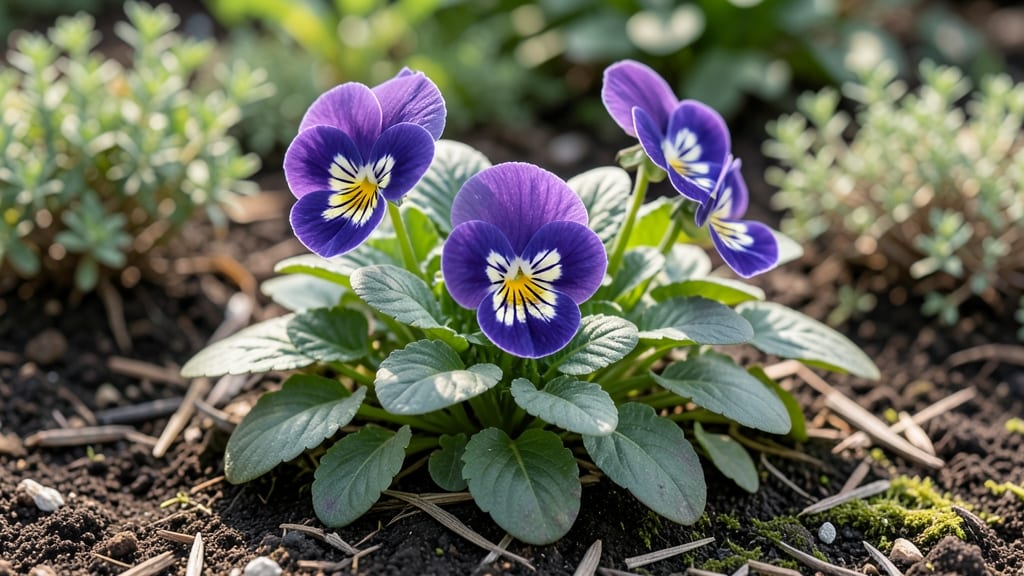
Pansies bloom in winter when planted in cold climates, thriving in temperatures between 35°F and 50°F, with some varieties even handling light frost. Their winter flowering provides vibrant color early in the season, though heavy freezes or prolonged cold may reduce blooms. Regular care helps maintain their winter display.
Winter-blooming pansies are a gardener's secret weapon for seasonal color. 🔥 These cold-hardy flowers actually prefer cooler temperatures, which triggers their flowering mechanism—unlike many spring annuals that wait for warmth.
I’ve seen them burst into bloom even under 40°F with proper protection, though their growth may slow during extreme cold snaps. The key is choosing the right varieties and providing mulch or windbreaks to shield them from harsh conditions.
What makes pansies unique is their ability to rebloom throughout winter, especially in regions with mild winters. Their vibrant hues—purples, yellows, and blues—stand out against snow or bare soil, making them perfect for early-season gardens.
Just remember: while they love cold, they still need protection from wind and heavy frost to keep blooming consistently.
💡 In This Article
- Why Pansies Thrive in Winter Conditions
- Best Cold-Hardy Pansy Varieties for Winter Gardens
Why pansies thrive in winter conditions
Pansies (Viola × wittrockiana) evolved to bloom in cooler weather thanks to their cold-tolerant genetics and unique photoperiod sensitivity. Unlike many spring-blooming annuals that require warmth to trigger flowering, pansies actually prefer temperatures between 35°F and 50°F—their ideal range for active growth and blooming.
This adaptation comes from their wild ancestors, which thrived in temperate European climates where winter chills were common. The cooler temperatures actually stimulate their flowering hormones, while warm summer heat often causes them to go dormant or produce fewer blooms.
Here's the science: Pansies have a short-day plant physiology, meaning they detect decreasing daylight hours (like those in late fall/winter) as a signal to flower. This is why they often bloom most prolifically in USDA Zones 4-9 during winter months.
Their leaves also contain antifreeze proteins, similar to those in cold-hardy vegetables like kale, which protect their cells from ice crystal formation during light frosts. This allows them to survive brief dips to 20°F when properly mulched, though prolonged exposure below 25°F can damage foliage and reduce blooming.
What most gardeners don't realize is how wind speed affects winter pansies. While they tolerate cold, strong winds dry out their delicate petals and can cause desiccation. This is why I always recommend planting them in sheltered locations—near fences, under eaves, or surrounded by taller perennials like ornamental grasses.
Their vibrant colors also absorb more heat from sunlight during winter days, creating microclimates that help maintain blooming even in 30°F temperatures. The trade-off? Their growth slows significantly below 40°F, which is why winter care focuses more on protection than fertilization.
Another fascinating adaptation is their root system. Pansies develop a shallow but extensive root network that spreads horizontally, allowing them to access moisture from snowmelt while avoiding deep soil freezing. This is particularly useful in Zone 5 gardens, where winter soil can remain frozen for weeks.
Their ability to photosynthesize at low temperatures (down to 32°F) means they can still produce energy for blooming even when growth appears dormant. This makes them far more resilient than spring-blooming annuals like marigolds, which typically require 50°F minimum temperatures to thrive.
For gardeners in Zone 6 and colder, the key to winter pansy success lies in mulching depth. A 3-4 inch layer of straw or shredded leaves can raise soil temperatures by 5-10°F, protecting roots from extreme cold while allowing air circulation.
I've found that white pansy varieties (like 'Soraya') actually reflect more sunlight, which can help prevent sunburn damage during winter's occasional sunny days.
Their ability to rebloom throughout winter—rather than just once—comes from their continuous flowering habit, which is triggered by the combination of cool temperatures and adequate daylight.
Comparing pansies to other winter bloomers reveals their unique advantages. While winter jasmine requires Zone 7+ for reliable blooming, pansies can thrive in Zone 4 with proper care.
Their compact growth habit (typically 6-12 inches tall) also makes them ideal for container gardening on patios or balconies, where they can be moved to sheltered spots during cold snaps.
The secret to their winter success isn't just cold tolerance—it's their ability to balance growth and flowering in conditions that would stop most plants cold.