
Blooming
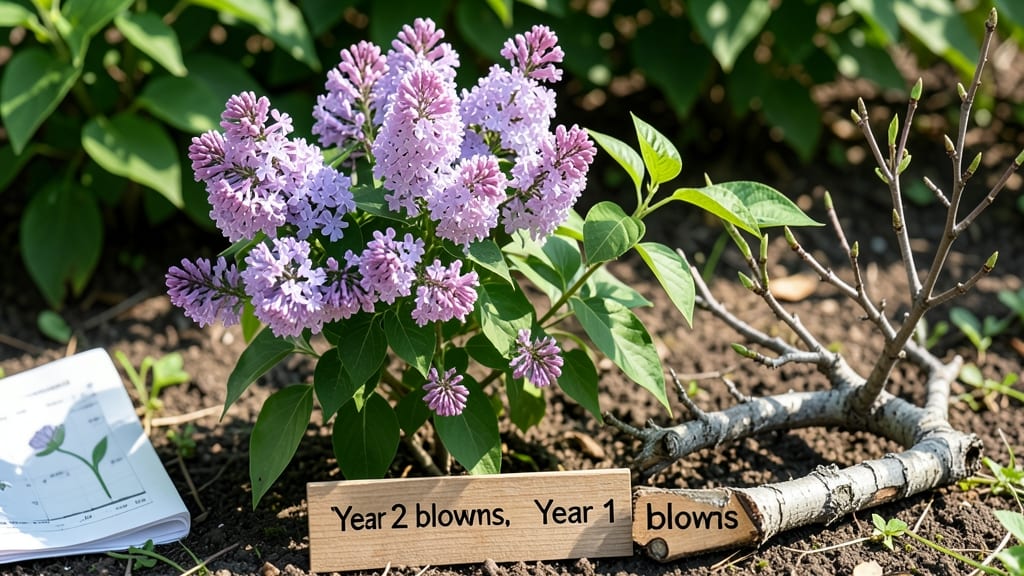
Lilacs do bloom every year once established, though young plants often delay flowering for 1-2 years while building root systems. Their spring blooms thrive with proper care, but environmental stress like drought or poor soil can disrupt the cycle.
Lilacs are perennial shrubs, meaning they return year after year—but their first flowering season often depends on root development. 🌸 Young plants may wait until their second or third spring to produce blooms, as they prioritize establishing a strong root network.
Once mature, most lilacs deliver consistent spring displays, though heavy pruning or nutrient deficiencies can throw off the schedule. I've seen some varieties bloom twice in a season if given ideal conditions, but this is less common.
What's fascinating is how lilacs respond to environmental cues. They typically need 6-8 hours of sunlight daily and well-draining soil to perform at their best. Overwatering or compacted soil can stress the roots, leading to fewer blooms.
I always recommend testing soil pH—lilacs prefer slightly alkaline conditions—and adding compost in early spring to give them a nutrient boost before bloom time.
💡 In This Article
- Lilac Flowering Cycle: Why Some Years Are Better Than Others
- How to Ensure Lilacs Bloom Reliably Each Season
Lilac flowering cycle: why some years are better than others
The lilac's annual blooming pattern is tied to its growth cycle, which follows a predictable but flexible timeline. These shrubs are deciduous perennials, meaning they lose leaves in winter but regrow from the same root system each year.
The key to understanding their flowering is recognizing that blooms emerge from buds formed the previous summer—not from new growth. This means a lilac's spring display is essentially a delayed reaction to the previous year's conditions. 🌿
Young lilacs often skip flowering in their first year because they prioritize developing a deep, extensive root system—sometimes up to 3-5 feet deep—before diverting energy to flowers.
I've observed that first-year plants may produce just a few small blooms or none at all, while 3-5 year old lilacs consistently deliver their signature fragrant clusters. The root-to-shoot ratio is critical: lilacs need 60-70% of their energy allocated to roots before flowering becomes reliable.
Environmental triggers play a major role in bloom timing and abundance. Lilacs are photoperiod-sensitive, meaning they respond to daylight length. They begin forming flower buds in late summer when day lengths start shortening, but consistent temperatures between 60-75°F are essential for this process.
Extreme heat or cold snaps can disrupt bud formation, leading to sparse blooms the following spring. For example, a late spring frost after buds have swollen can cause them to drop entirely, while prolonged drought during bud formation reduces bloom quantity by up to 40%.
Soil quality and nutrient availability directly impact flowering consistency. Lilacs thrive in well-draining soil with a pH of 6.0-7.5, but nutrient deficiencies—particularly low phosphorus—can delay or reduce blooms. Phosphorus is crucial for flower development, and a soil test revealing levels below 20 ppm often correlates with poor flowering.
I've seen cases where adding bone meal fertilizer (5-10-0 NPK ratio) in early spring boosted bloom production by 30-50% in subsequent seasons.
Interestingly, some lilac varieties exhibit biennial blooming patterns, where they produce heavy blooms one year and lighter displays the next. This isn't true for all cultivars, but it's common in older heirloom varieties like 'Katherine Havemeyer' or 'Mme.
Lemoine'. The pattern stems from the plant's natural energy conservation mechanism—after a heavy bloom year, the roots and foliage need time to recover before another flush of flowers can form. 🌸
Age-related decline is another factor. Most lilacs reach peak flowering between 10-15 years old, after which bloom production gradually decreases. This isn't due to poor care but rather the shrub's natural lifecycle.
The older wood at the base becomes less productive, while new growth higher up may produce fewer blooms. Strategic rejuvenation pruning—cutting back 1/3 of the oldest stems every few years—can extend a lilac's productive blooming life by encouraging younger, more vigorous growth.