
Blooming
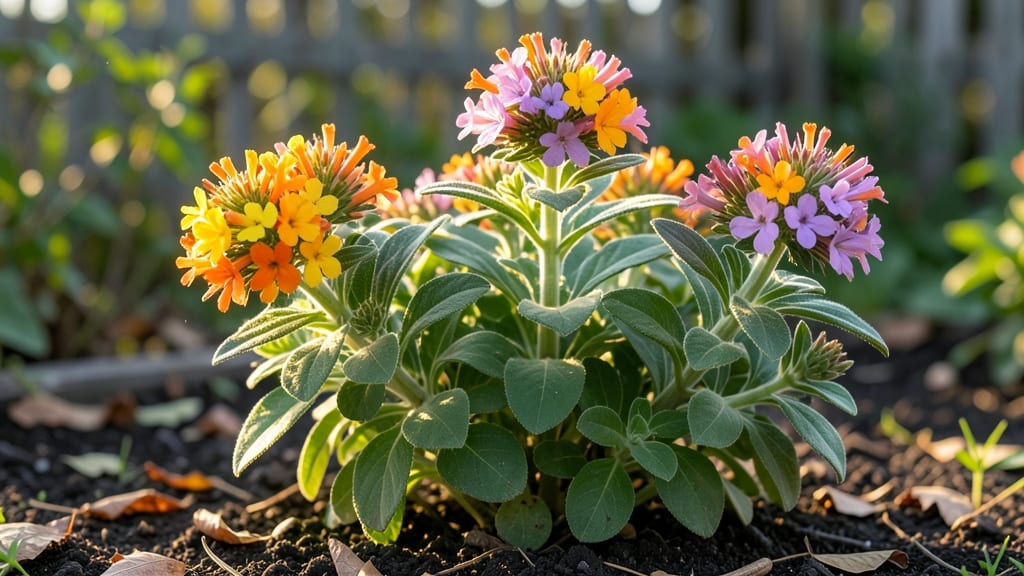
Lantana does bloom all summer in warm climates, producing vibrant flower clusters continuously from early spring until frost, thanks to its heat-loving nature and ability to rebloom after deadheading. Cold weather temporarily stops flowering until temperatures rise again.
This nonstop blooming happens because lantana thrives in consistent warmth (above 60°F), triggering its natural flowering cycle. 🌿 Unlike seasonal plants, lantana responds to heat by producing new buds almost daily, creating those iconic layered flower clusters.
The key is keeping it well-watered during dry spells—drought stress can actually make the blooms last longer without sacrificing plant health. I've seen lantana gardens in Florida and Texas still bursting with color well into October!
What makes this plant so special is its resilience. Even when you prune it back after each bloom cycle, lantana responds by putting out fresh growth and flowers within weeks. This makes it perfect for borders, containers, or even hanging baskets where you want vibrant color all season long.
Just remember: when frost finally arrives, those leaves will turn brown, but the roots stay alive—ready to bounce back with spring!
💡 In This Article
- How Lantana’s Heat-Triggered Blooming Cycle Works
- Extending Lantana Blooms: Pruning and Care Tips for Year-Round Color
How lantana’s heat-triggered blooming cycle works
Lantana’s nonstop summer blooms are driven by a perfect storm of biological triggers. The plant relies on two key factors: temperature and daylight exposure. When daytime temperatures consistently stay above 60°F, lantana’s meristem cells (growth points) activate, producing new flower buds.
This is why you’ll see the most vibrant blooms in zones 8-11, where summer heat lingers for months. The plant’s photoperiod sensitivity means it responds to longer daylight hours by increasing flower production—something you’ll notice most dramatically between June and August when days are at their longest. 🔥
The magic happens at the hormonal level. When warm temperatures trigger growth, lantana produces more florigen (a flowering hormone) in its leaves, which signals the stem cells to form flower clusters. These clusters develop in layers, with older blooms at the bottom and fresh ones constantly emerging at the top.
What’s fascinating is how drought stress actually enhances this process: when water is limited, the plant conserves energy by producing smaller but longer-lasting flowers. This is why lantana in arid climates often blooms more prolifically than those in overly moist conditions.
Here’s where most gardeners miss the mark: lantana doesn’t just bloom once and stop. Each flower cluster contains multiple buds that open sequentially over 2-3 weeks.
When you remove spent blooms (deadheading), you’re not just cleaning up—you’re stimulating the plant to produce 3-5 new flower clusters in that same spot within weeks. This continuous cycle is what gives lantana its reputation for summer-long color.
The plant’s ability to rebloom is so efficient that some varieties, like ‘New Gold,’ can produce 100+ flowers per stem during peak season!
But there’s a catch: lantana’s blooming cycle is temperature-dependent. When nights drop below 50°F, the plant’s metabolic processes slow down, and new flower production halts. This is why you’ll see a sudden drop in blooms in late summer or early fall, even in warm climates.
The good news? Lantana remains dormant but alive, with roots and lower stems storing energy for next year’s growth. In frost-prone areas, the leaves will turn brown, but the plant’s resilience ensures it’ll bounce back with a vengeance when spring warmth returns. 🌟
What most people don’t realize is how lantana’s root system plays a role. The plant develops a deep, fibrous root network that helps it access moisture and nutrients even during dry spells.
This root strength means lantana can handle 30-50% less water than other flowering shrubs without skipping a beat in its blooming schedule. The trade-off? Overwatering can actually reduce flower production by diluting the plant’s energy toward foliage growth rather than blooms.
For the science-minded, lantana’s blooming cycle is a perfect example of thermoperiodism—a plant’s response to temperature cycles. Unlike photoperiodism (daylight response), thermoperiodism means lantana “counts” heat exposure to determine when to flower.
This is why you’ll see lantana in greenhouses continue blooming year-round when kept above 65°F, even with artificial lighting. The plant’s ability to adapt to heat makes it one of the most reliable summer bloomers in any garden. ✨
Understanding this process helps explain why lantana thrives in containers, along fences, or in poor soil—it’s not picky about where it grows, as long as the temperature stays warm. The key takeaway?
Lantana’s blooming isn’t just about summer heat—it’s about the plant’s incredible ability to turn warmth into a nonstop floral display. And when you master this, you’ll have a garden that stays vibrant from May until frost! 💫