
Blooming
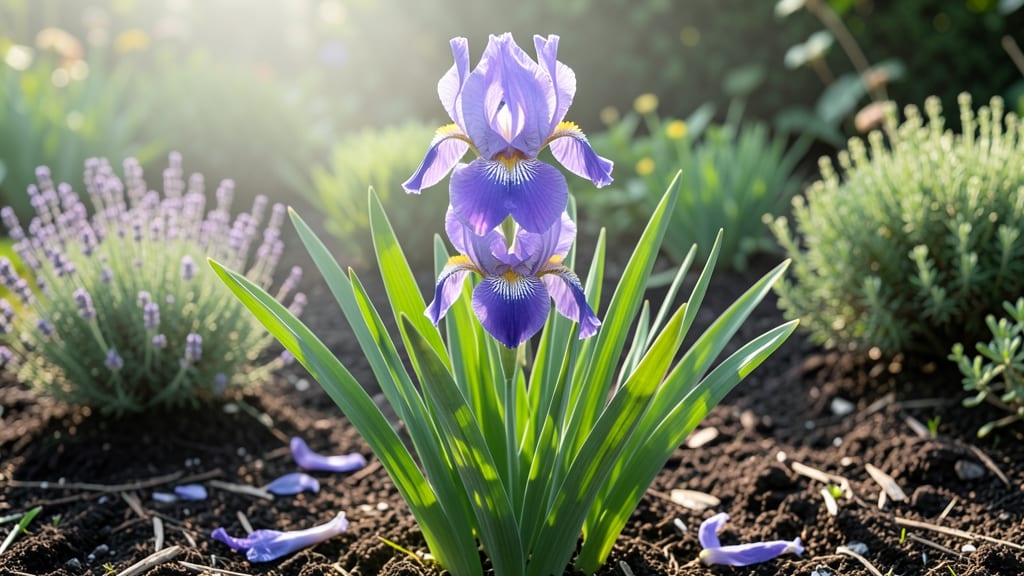
Irises don't bloom every year—most varieties produce flowers once per season after establishing strong roots, though reblooming types like Louisiana or Japanese irises can flower twice with proper care and seasonal triggers.
Most irises follow a natural blooming cycle tied to their energy reserves stored in rhizomes. 🌿 After establishing for 3-5 years, they focus energy on root growth before flowering, often in spring.
Reblooming varieties break this pattern through targeted care—like strategic pruning after blooms fade and phosphorus-rich fertilizers to support flower production. The key is understanding each iris's unique growth rhythm and adapting care accordingly.
For example, Louisiana irises thrive in warm climates and may rebloom in fall, while Japanese irises often produce a second flush in late summer. 🌸 The difference comes down to cultivar selection and maintaining consistent moisture levels without overwatering.
What works for one type might backfire for another, so always match your care routine to the specific iris variety you're growing.
💡 In This Article
- Why Most Iris Varieties Bloom Once Per Season
- How to Encourage Reblooming in Irises
Why most iris varieties bloom once per season
Irises store energy in their thick, fleshy rhizomes—essentially underground energy banks that fuel both root growth and flowering. 🌱 During the first 3-5 years after planting, these rhizomes prioritize expanding their root system to establish stability.
Only once they've built sufficient reserves (typically 2-3 inches in diameter) do they allocate energy toward producing flower stalks. This biological priority explains why young irises often skip blooming entirely, focusing instead on survival and growth.
The timing of blooms is also tightly linked to seasonal temperature shifts.
Most irises are spring bloomers because cooler winter temperatures trigger hormonal changes that prepare the plant for flowering. 🌸 For example, Siberian irises often bloom in late spring (May-June) when soil temperatures reach 50-55°F, while Dutch irises prefer slightly warmer soil (55-60°F).
These temperature thresholds act as natural switches, signaling when it's safe to divert energy from roots to flowers. Reblooming varieties like Louisiana irises break this pattern by having a secondary temperature trigger in fall.
Another key factor is the plant's natural dormancy cycle. After flowering, irises enter a semi-dormant state where they focus on replenishing energy stores through photosynthesis in their leaves. 🍃 This period can last 6-8 weeks, during which any new flower buds would compete with root growth for limited resources.
The plant's survival instinct ensures it only blooms when it has sufficient reserves—a strategy that explains why even mature irises may skip a year if environmental conditions (like drought or poor soil) stress the rhizomes.
Comparing single-bloom vs. reblooming varieties reveals fascinating differences in their energy management systems.
Single-bloom types (like bearded irises) treat flowering as a major energy expenditure that requires a full year of recovery. 🌿 Reblooming varieties, however, have evolved to produce smaller, less energy-intensive flower stalks that allow for a second bloom without completely depleting reserves.
Japanese irises, for instance, often produce their second flush in late summer when day lengths shorten, providing a secondary cue for flowering.
Light exposure plays a subtle but critical role too. Irises need 6-8 hours of direct sunlight daily to build enough energy for blooming. 🌞 In shaded conditions, the plant may produce lush foliage but never flower because photosynthesis isn't sufficient to support both growth and reproduction.
This is why gardeners often report their irises blooming more vigorously after moving them to sunnier locations—suddenly, the plant has the energy to allocate toward flowers instead of just leaves.