
Blooming
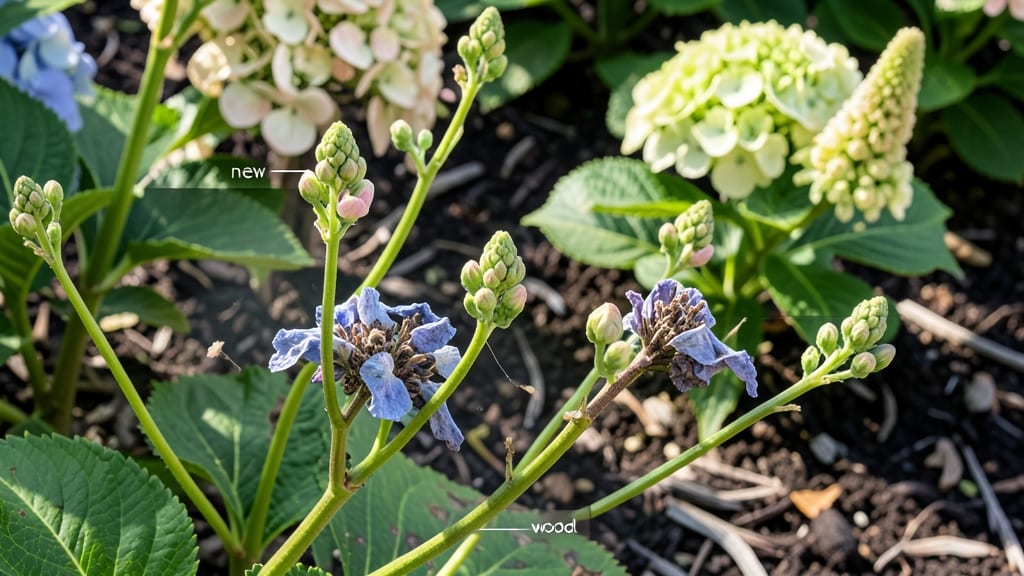
Hydrangeas bloom more than once only if they're reblooming varieties like Endless Summer or Annabelle, which produce two flushes of flowers per season. Non-rebloomers like Bigleaf or Oakleaf typically bloom once annually on old wood, requiring careful pruning to encourage limited secondary blooms.
Most hydrangeas bloom just once because they rely on old wood (last year's growth) to produce flowers. 🌸 Reblooming varieties, however, develop flower buds on both old and new wood, allowing them to put on a second show in late summer or early fall.
The key difference lies in their genetics—breeders specifically select for this trait, which is why you won't see classic Bigleaf types reblooming without special care.
I've found that even rebloomers need consistent moisture and balanced fertilizer to maintain their second flush, especially in hot climates where summer stress can limit flowering.
If you're growing non-reblooming types, don't assume you're stuck with one-season color. Some gardeners report limited secondary blooms if they prune lightly after the first flush, though results vary. The trade-off is that aggressive pruning can actually reduce next year's blooms, so timing matters.
For example, Oakleaf hydrangeas occasionally produce a few late-season flowers if given proper conditions, though they'll never match the reliability of true rebloomers.
💡 In This Article
- Reblooming Hydrangeas: How Flowering Cycles Work
- Best Hydrangea Varieties for Year-Round Color
Reblooming hydrangeas: how flowering cycles work
The magic behind reblooming hydrangeas lies in their flower bud formation. Most varieties produce buds on old wood—the stems that grew last season—during late summer or early fall. These buds remain dormant through winter and burst into bloom in spring.
However, reblooming types like 'Endless Summer' develop buds on both old and new wood, creating two distinct flowering cycles: the first flush in spring from old wood, and a second flush in late summer/fall from new wood growth.
Temperature plays a crucial role in triggering reblooming. Most hydrangeas need a period of cool weather (below 60°F) to break dormancy and stimulate bud formation. Rebloomers require this chilling period for their old wood blooms but can produce new wood flowers even without it, thanks to genetic adaptations.
For example, 'Annabelle' hydrangeas often produce a second flush in late summer if given consistent moisture and nutrients, while classic Bigleaf types may only produce a few scattered blooms if pruned at the right time.
The biological mechanism involves hormonal signals. In rebloomers, auxin—a plant hormone—regulates bud development differently. Auxin concentrations remain lower in new wood growth of rebloomers compared to non-rebloomers, allowing flower buds to form later in the season.
This is why rebloomers can produce a second flush even if pruned back in early spring, while non-rebloomers would sacrifice next year's blooms with such aggressive pruning.
Light exposure also influences reblooming success. Hydrangeas need at least 6 hours of sunlight daily to develop strong new wood growth. In shady conditions, the plant may focus energy on leaf production rather than flower buds.
I've noticed that rebloomers in partial shade still produce flowers, though they may be smaller and less vibrant than those in full sun. The trade-off is that full sun can stress plants in hot climates, potentially reducing the second flush.
Consider these key factors when encouraging reblooming:
- Watering: Consistent moisture (1-2 inches per week) prevents stress that could limit flower production
- Fertilizer: Balanced formula (10-10-10) in early spring and mid-summer supports new growth
- Pruning: Light pruning after first flush (never before) removes spent blooms without harming next year's flowers
What most gardeners don't realize is that reblooming isn't guaranteed—even with proper care. Environmental factors like extreme heat or drought can prevent the second flush entirely. For example, 'Limelight' hydrangeas often produce spectacular second blooms in northern climates but may struggle in southern heat.
The key is selecting varieties bred for your specific growing conditions and providing consistent care throughout the season. 🌿