
Blooming
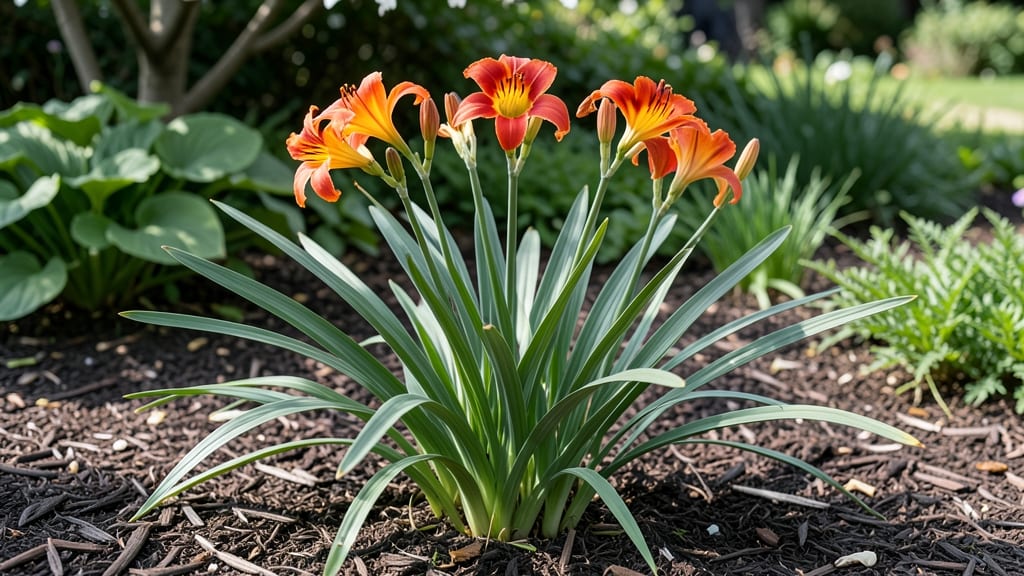
Yes, daylilies bloom more than once when planted as reblooming varieties, delivering two to four flower cycles in a single season with optimal growing conditions. Single-bloom types produce one spectacular display but miss out on extended seasonal color. Proper care—including sunlight, soil, and seasonal adjustments—directly impacts how often they rebloom.
Reblooming daylilies work by breaking their natural dormancy cycle—most varieties naturally rest after their first bloom to conserve energy for the next season. 🌸 However, breeders have developed cultivars like Stella de Oro and Happy Returns that resist this dormancy, allowing them to produce multiple flower flushes.
The key difference lies in their genetics: rebloomers prioritize continuous growth over a single dramatic show, while single-bloomers focus all their energy on one stunning display in early summer. Climate plays a huge role too—cooler regions often see fewer reblooms than warmer zones where the growing season extends longer.
What truly makes reblooming varieties special is their ability to extend your garden's color palette well into fall. Unlike single-bloomers that fade after their first show, rebloomers reward gardeners with fresh flowers every 6-8 weeks throughout the season.
This means you can enjoy vibrant blooms from early summer right through to frost—though late-season blooms may be smaller as the plant prepares for winter. The trade-off? Single-bloomers often produce larger, more dramatic flowers that make a bigger visual impact in their one-time display.
💡 In This Article
- How Daylily Reblooming Works by Cultivar Type
- Tips for Maximizing Daylily Reblooms in Your Garden
How daylily reblooming works by cultivar type
Daylilies exhibit reblooming behavior through a fascinating interplay of genetics and environmental triggers. The key difference between reblooming and single-bloom varieties lies in their dormancy cycles. Most daylilies naturally enter a period of rest after their first bloom to conserve energy for the next growing season.
However, reblooming cultivars like Stella de Oro and Happy Returns have been selectively bred to resist this dormancy, allowing them to produce multiple flower flushes through a process called parthenocarpy—where flowers develop without fertilization, extending the blooming window.
The reblooming mechanism is triggered by temperature fluctuations and day length. These varieties require 60-65°F daytime temperatures and cooler nights (50-55°F) to stimulate new growth after each bloom cycle.
Single-bloom types, on the other hand, prioritize energy for one spectacular display in early summer (typically June), producing larger 6-8 inch blooms with more dramatic coloration. Rebloomers sacrifice bloom size for frequency, often producing 3-5 inch flowers in successive waves every 6-8 weeks throughout the season.
What sets rebloomers apart is their ability to maintain active growth through summer's heat. While single-bloomers shut down after their first flush, rebloomers continue producing foliage and flower buds, though late-season blooms may be smaller as the plant prepares for winter.
This continuous growth requires careful management—rebloomers need consistent moisture and balanced fertilization to sustain their energy demands, unlike single-bloomers that thrive with minimal summer care after their initial bloom.
Climate plays a crucial role in reblooming success. In USDA Zones 5-8, rebloomers typically produce 2-3 bloom cycles, while in warmer Zone 9+ regions, they can rebloom 3-4 times due to extended growing seasons.
The northern limit for reliable reblooming is around Zone 5, where cooler summers may only allow one additional bloom cycle. This geographical variation explains why some gardeners in cooler climates report limited reblooming despite proper care.
Visually, you can identify reblooming potential by examining the plant's foliage growth pattern. Rebloomers maintain lush, green leaves throughout the season, while single-bloomers often show yellowing or dormancy signs after their first flush.
The Stella de Oro cultivar, for example, produces golden-yellow blooms in continuous waves, making it a favorite for extended color displays in containers and borders.
Understanding these genetic and environmental factors helps gardeners make informed choices. If you prioritize season-long color, rebloomers are the clear winner. But if you prefer showstopping single blooms with minimal maintenance, single-bloom varieties like Pardon Me (with its 6-inch pink blooms) deliver dramatic impact with less effort.