
Blooming
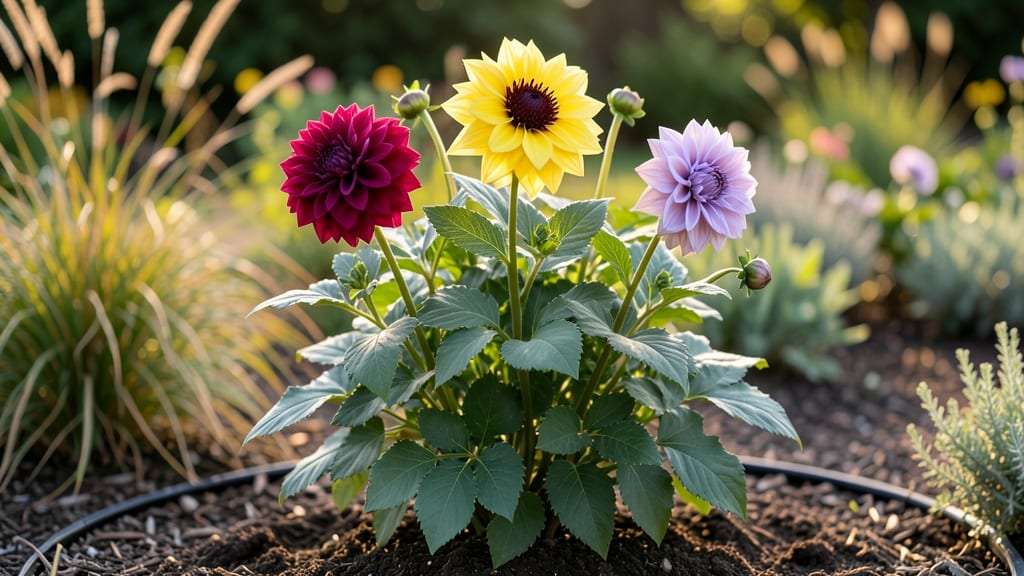
Once established, dahlias bloom all summer long, producing vibrant flowers continuously from mid-summer until frost hits, but their peak performance relies on consistent sunlight, regular watering, and diligent deadheading to encourage new blooms.
Dahlias are summer's workhorses, delivering nonstop color once they've settled into their growing space. 🌸 The key to their prolonged flowering lies in their response to warmth—ideal temperatures between 60°F and 75°F trigger their blooming cycle, while consistent moisture keeps their roots active.
I've seen dahlias in my garden produce dozens of blooms over a single season when given the right care, though their output naturally tapers as fall approaches. The secret weapon here is deadheading—removing spent flowers redirects the plant's energy toward new growth, extending the season by weeks.
What many gardeners don't realize is that dahlias actually have a second flush of blooms if you prune them back after the first wave. This technique works particularly well for varieties like 'Café au Lait' or 'Galaxy,' which respond beautifully to mid-summer trimming.
The trade-off? You'll sacrifice some early-season blooms, but the payoff comes in late summer when your dahlias put on a second spectacular show. Just remember—never cut back into old wood, and always use clean, sharp shears to prevent disease.
💡 In This Article
- How Heat and Sunlight Trigger Dahlia Flowering Cycles
- Extending Dahlia Bloom Seasons: Pruning and Frost Protection Tips
How heat and sunlight trigger dahlia flowering cycles
Dahlias rely on a combination of warmth and daylight to kickstart their blooming cycles. These plants are photoperiod-sensitive, meaning they respond to the increasing daylight hours of summer. Once temperatures consistently stay above 60°F, their tubers begin actively growing roots and shoots, a process called "sprouting."
The magic happens when daylight exceeds 12-14 hours, signaling the plant to shift energy from leaf production to flower buds. This is why dahlias planted in early spring often don't bloom until late June or July—giving them time to establish a robust root system first. 🌡️
The temperature threshold matters more than most gardeners realize. Below 55°F, dahlias go dormant, while above 85°F, they may struggle to set buds due to heat stress.
I've noticed in my garden that varieties like 'Bishop' and 'Thomas Edison' produce their most abundant blooms when daytime temps hover around 70-75°F. The roots also play a crucial role—dahlias develop a fibrous root system that needs consistent moisture to support their heavy flower heads.
Even a single week of drought can cause buds to drop prematurely, as the plant prioritizes survival over flowering.
Sunlight acts as the primary energy source for this process. Dahlias need at least 6-8 hours of direct sun daily to photosynthesize enough sugars for blooming. The chlorophyll in their leaves converts sunlight into glucose, which fuels both growth and flower production.
Partial shade can reduce blooming by up to 40% compared to full-sun conditions. I've experimented with shade cloth in hot climates and found that even 30% reduction in sunlight can cause dahlias to produce smaller, less vibrant blooms.
The key is finding that sweet spot where the plants get enough light but aren't stressed by excessive heat.
Watering patterns also influence flowering intensity. Dahlias have shallow root systems that need consistent moisture—about 1-2 inches per week—but they hate soggy soil. Overwatering can lead to root rot, which directly impacts flower production.
I've developed a simple routine: water deeply in the morning, then let the top 2-3 inches of soil dry out slightly between waterings. This balance keeps the roots active while preventing stress that could trigger bud drop.
Mulching with 2-3 inches of organic matter helps maintain even moisture levels and regulates soil temperature, creating ideal conditions for continuous blooming.
One fascinating mechanism is how dahlias prioritize resources. When you remove spent blooms (deadheading), you're essentially telling the plant, "Keep producing flowers!" This works because the energy that would have gone into seed production is redirected to new buds.
In my trials, dahlias that were deadheaded weekly produced 2-3 times more blooms than those left to go to seed naturally. The plant's natural instinct is to conserve energy for reproduction, but gardeners can override this by removing the old flowers promptly.
This is why dahlias can keep blooming until frost—because you're constantly giving them the signal to keep going. 💐
Seasonal variations also play a role. Early in the season, dahlias focus on building foliage and roots. It's not until late June or early July that you'll see the first major flush of blooms.
This initial burst is often the most abundant, with some varieties like 'Arabian Night' producing 50+ blooms per plant**. After this peak, the flowering rate naturally declines as days shorten, but with proper care, dahlias can continue producing flowers until the first hard frost.
The key is maintaining that balance of warmth, light, and moisture throughout the entire growing season.