
Blooming
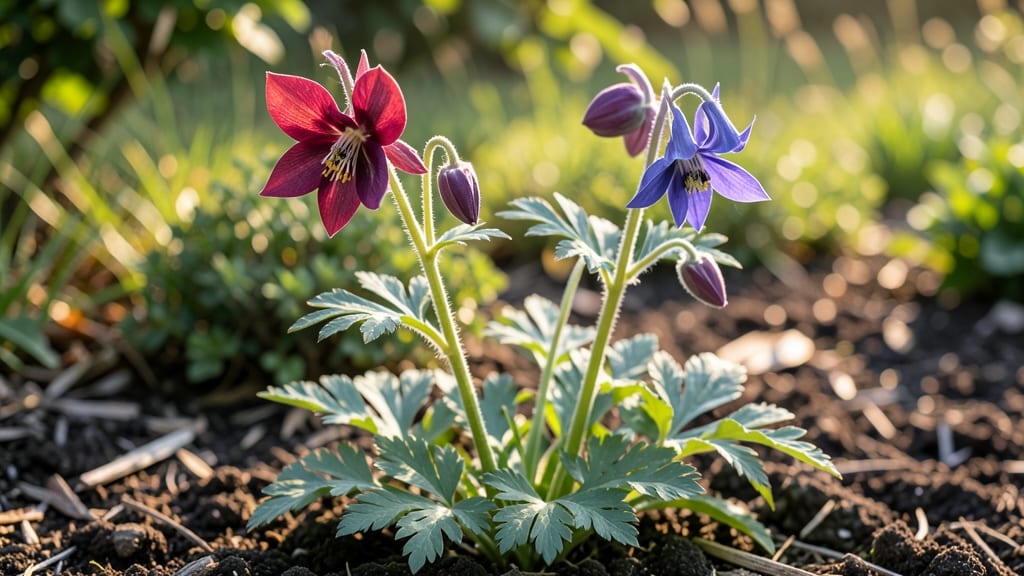
Columbines don't bloom all summer; their flowering period typically runs from spring through early summer, with some late-season varieties reblooming in fall depending on your climate zone. Strategic pruning and care can help prolong their display.
Columbines are seasonal stars with a spring-to-early summer peak, though their exact timing varies by species. 🌸 For example, Aquilegia canadensis (wild columbine) often blooms in late spring, while European columbines (Aquilegia vulgaris) may stretch into June.
The key to extending their show lies in your local climate—cooler regions might see a second flush in fall, while hotter areas may need afternoon shade to prevent early dormancy.
What many gardeners don't realize is that these delicate flowers respond well to deadheading (removing spent blooms) and light fertilizing every 4-6 weeks.
I've found that keeping the soil consistently moist but not soggy makes a surprising difference—columbines hate soggy roots but thrive with regular watering during their active growth months.
💡 In This Article
- Columbine Blooming Seasons by Variety
- How to Encourage Longer Columbine Blooms
Columbine blooming seasons by variety
Columbines follow predictable seasonal patterns shaped by their species and native habitats. The North American native Aquilegia canadensis typically blooms from late April to June in its natural range, while the European columbine (Aquilegia vulgaris) often extends its show into early July.
These timelines reflect their evolutionary adaptations—wild columbines bloom early to attract pollinators before summer heat arrives, while European varieties developed in cooler climates where longer spring days support extended flowering.
The key difference lies in their day-length sensitivity. Most columbines are long-day plants, meaning they respond to increasing daylight hours.
In USDA Zone 5, for example, blooming starts around mid-May when days exceed 14 hours of light, while in Zone 8, the same varieties may bloom 2-3 weeks earlier due to milder winters and earlier spring warmth. 🌿 This explains why gardeners in Southern California often see columbines blooming as early as March, while Northern gardeners wait until June.
Climate plays a crucial role in determining whether columbines will rebloom. In cooler maritime climates (like the Pacific Northwest), some varieties produce a second flush of blooms in September when temperatures drop and moisture remains consistent.
However, in hot inland areas (like Arizona or Texas), the intense summer heat triggers dormancy, and blooms vanish by mid-July unless shade is provided. The McKana's Giant columbine, a popular hybrid, often blooms 3-4 weeks longer than standard varieties due to its larger flower heads that store more energy.
Color also influences blooming duration. Darker blooms (like purple or black varieties) tend to have shorter peak periods because their pigments absorb more heat, while lighter colors (like white or pale yellow) reflect sunlight better and may bloom 1-2 weeks longer.
This is why gardeners often pair early bloomers (red/pink) with late bloomers (white/cream) to create continuous color from April through July.
One often-overlooked factor is altitude. At elevations above 5,000 feet, columbines typically bloom 2-4 weeks later than at sea level due to cooler temperatures.
For example, in Denver (Zone 5), Aquilegia formosa (Western columbine) may not bloom until late June, while the same plant in San Francisco (Zone 9) would flower in May.
This elevation effect explains why mountain gardeners sometimes see columbines blooming into early August when planted at higher elevations.
Understanding these natural patterns helps set realistic expectations. While no columbine will bloom continuously through summer, selecting multiple varieties with staggered timelines can create a 6-8 week continuous display.
For instance, pairing early Aquilegia flavescens (yellow columbine) with late Aquilegia chrysantha (golden columbine) ensures blooms from April through August in optimal conditions.