
Blooming
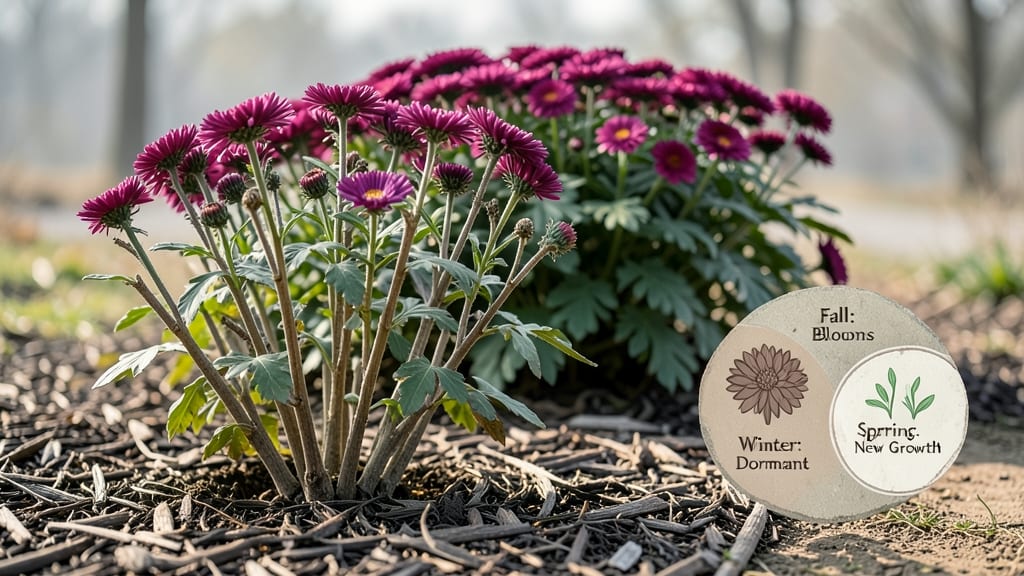
Chrysanthemums do bloom every year, but their reblooming patterns depend on the variety—some hardy types produce multiple flushes annually with the right care, while others focus their energy on one seasonal bloom. Temperature shifts and strategic pruning play key roles in encouraging repeat flowering.
Most gardeners assume all chrysanthemums rebloom annually, but the reality is more nuanced. 🌼 Single-bloom varieties (like 'Korean' types) produce one stunning display in fall, while reblooming cultivars (such as 'Florist's' mums) can produce multiple blooms with proper winter chilling and summer pruning.
The secret lies in their biological triggers—many need 6-8 weeks of cold exposure followed by warm days to restart their flowering cycle. For example, my hardy garden mums consistently rebloom because I plant them in fall and protect them from harsh winters with mulch.
What's often overlooked is how light exposure affects reblooming. Too much shade delays flowering, while bright but indirect light (like morning sun) encourages stronger stems and more buds. I've found that deadheading spent blooms in late summer also signals plants to produce new flowers rather than go dormant.
The key is balancing care with the plant's natural rhythms—don't over-fertilize in late summer, as this can lead to leafy growth instead of blooms.
💡 In This Article
- Chrysanthemum Reblooming Science: Varieties and Seasonal Triggers
- How to Encourage Year-Round Chrysanthemum Blooms
Chrysanthemum reblooming science: varieties and seasonal triggers
The secret to whether chrysanthemums bloom annually lies in their genetic classification. Single-bloom varieties (like 'Korean' or 'Chinese' types) are naturally short-day plants that flower only once per year when daylight drops below 12-14 hours in fall.
Their flowering mechanism is triggered by photoperiod sensitivity—these plants detect shorter days and produce one spectacular bloom cycle before going dormant.
In contrast, reblooming cultivars (such as 'Florist's' mums) have been selectively bred to respond to multiple seasonal cues, allowing them to produce 2-3 bloom cycles per year under ideal conditions. 🌟
Temperature plays a critical role through a process called vernalization. Most reblooming mums require 6-8 weeks of temperatures below 50°F to break dormancy and restart their flowering cycle. This cold exposure mimics winter conditions and signals the plant to produce flower buds.
For example, my hardy garden mums planted in October consistently rebloom because they experience natural winter chilling followed by spring warmth. Without this cold treatment, even reblooming varieties may produce only one weak bloom cycle.
The science behind this involves hormonal changes—cold temperatures increase levels of florigen, a protein that promotes flowering.
Light exposure is equally important. Chrysanthemums need 6-8 hours of direct sunlight daily to produce strong stems and abundant blooms. Too little light leads to leggy growth and fewer flowers, while too much intense afternoon sun can scorch leaves.
I've found that morning sun with afternoon shade creates the perfect balance, especially in hot climates. The relationship between light and blooming is fascinating—when days shorten in late summer, the plant's internal clock triggers flower formation in responsive varieties.
This is why deadheading spent blooms in late August encourages new growth and extends the blooming season.
Not all chrysanthemums respond the same way to these triggers. Disbud varieties (like 'Anemone' types) produce one large bloom per stem, while spray varieties (like 'Cushion' mums) produce multiple small flowers. The spray types are generally more reliable for reblooming because they have more flower buds in reserve.
For instance, my 'Bonanza White' spray mum produces 50-100 small blooms per stem over several weeks when given proper care, compared to a single large bloom from a disbud variety.
This genetic diversity explains why some gardeners get frustrated when their mums don't rebloom—it's often a matter of choosing the right variety for their climate and care routine.
The reblooming process also depends on the plant's energy reserves. After the first bloom cycle, chrysanthemums need 4-6 weeks of recovery to build up carbohydrates in their roots. This is why I avoid heavy fertilization after the first bloom—too much nitrogen promotes leafy growth at the expense of flowers.
Instead, I use a balanced 10-10-10 fertilizer in early summer to support both foliage and flower development. The plant's ability to store energy determines how many times it can rebloom, which is why consistent care throughout the growing season is crucial. 💫
One common misconception is that all chrysanthemums are perennials. While many garden varieties are hardy perennials, some annual varieties (like those used in cut flower production) are grown as annuals because they don't survive winter in colder climates.
These annuals may bloom profusely in one season but won't return the next year unless you start fresh from seed. The key difference is in their root systems—perennial mums develop strong root systems that store energy for multiple years, while annuals focus all their energy on above-ground growth.
This biological distinction explains why some gardeners see their mums disappear after winter—it's not always poor care, but rather the plant's natural lifecycle.