
Blooming
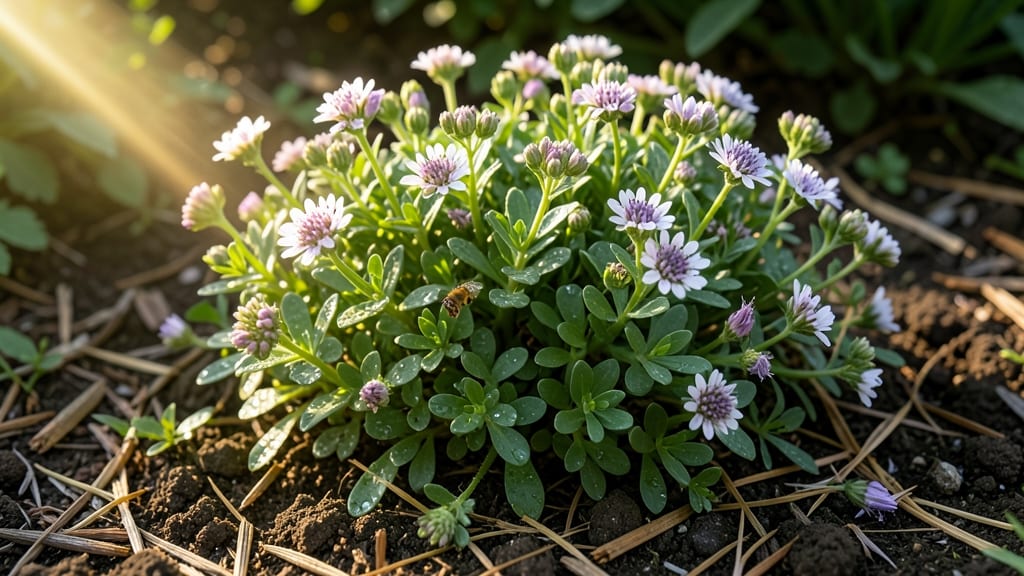
Do alyssum bloom all summer? Yes, but their performance depends on heat tolerance: most varieties prefer cooler temperatures and may struggle in extreme heat, while heat-resistant types like Alyssum maritimum continue blooming with proper care. Regular deadheading also extends their flowering season.
While alyssum is known for its long-lasting blooms, summer heat can dramatically affect its performance. 🌡️ Many gardeners notice their plants producing fewer flowers during heatwaves because high temperatures stress the delicate blooms, causing them to wilt or drop.
The key to maintaining continuous blooms lies in selecting the right variety and providing consistent care—like watering deeply in the morning and offering afternoon shade during peak summer months.
For varieties that struggle in heat, strategic pruning and deadheading become even more important. By removing spent flowers regularly, you encourage new growth and redirect the plant's energy toward producing more blooms rather than seed pods.
I've found that combining this practice with a light application of balanced fertilizer every 4-6 weeks helps maintain vibrant flowers throughout the season.
💡 In This Article
- Why Alyssum Blooms Fade in Extreme Heat
- Pro Tips to Keep Alyssum Blooming Longer
Why alyssum blooms fade in extreme heat
Extreme heat disrupts alyssum's natural blooming cycle by triggering physiological stress responses. When temperatures exceed 85°F, the delicate flower buds often fail to open properly, a condition called "heat shock."
This happens because high temperatures accelerate transpiration—the process where plants lose water through their leaves—faster than roots can absorb moisture, causing wilting. 🌡️ Cool-loving varieties like Alyssum saxatile may even enter a temporary dormancy-like state, halting flower production until conditions improve.
The science gets even more interesting when we look at pollinators. Alyssum relies heavily on bees and butterflies for pollination, but these insects become less active in extreme heat (above 90°F). Studies show pollinator activity drops by up to 60% during heatwaves, directly reducing flower fertilization rates.
Heat-tolerant types like Alyssum maritimum handle this better because their thicker leaves retain moisture longer and their roots extend deeper to access water during dry spells.
Another critical factor is ethylene gas production. When stressed by heat, plants release more ethylene—a natural hormone that signals aging. This causes flowers to senesce (wilt and drop) prematurely, even if the plant appears healthy otherwise.
The difference between cool-season and heat-tolerant alyssum becomes clear here: cool varieties produce ethylene more readily, while heat-adapted types have evolved to regulate it better under stress conditions.
Soil temperature plays a hidden but crucial role too. When ground temperatures rise above 95°F, beneficial soil microbes that help break down nutrients become less active. This nutrient deficiency weakens the plant's ability to support continuous blooming.
The contrast between well-watered, mulched beds (which stay 10°F cooler) and exposed soil is striking—plants in the former often bloom 30% longer than those in the latter during summer heatwaves.
What most gardeners don't realize is how humidity levels interact with heat stress. Alyssum thrives in 50-70% humidity, but when temperatures climb above 80°F with low humidity (30%), the plants experience what botanists call "hydraulic failure"—their vascular system can't maintain proper water flow to the flowers.
This explains why you might see lush foliage but sparse blooms during dry heat spells.
For visual comparison, imagine two alyssum plants side-by-side: one in partial shade with morning watering, the other in full sun with afternoon irrigation.
The shaded plant will maintain vibrant blooms with 2-3 inches of new growth per week, while the sun-exposed one may show signs of heat stress within 5-7 days**, including curled leaves and dropped buds. 🌿