
Flowers
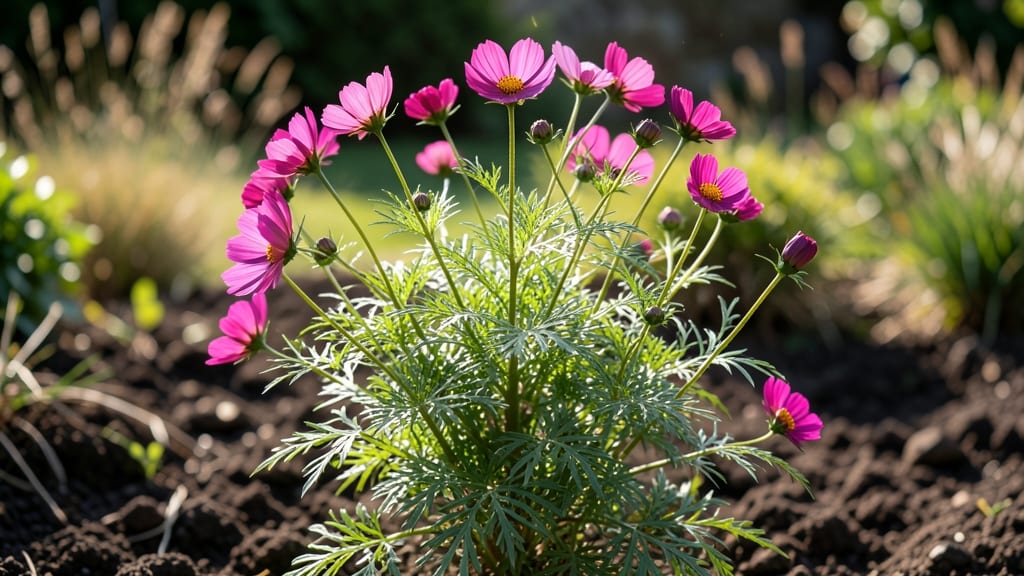
Cosmos flowers bloom from mid-summer through early fall, turning your garden into a riot of color 🌼 — but the exact timing depends on when you plant and which variety you choose.
Picture this: you’ve waited all spring for those first delicate petals to unfurl, only to wonder why your cosmos aren’t blooming when they’re supposed to. The truth? Their bloom time isn’t just about luck—it’s about matching the right variety to your climate and giving them the care they crave.
In USDA Zone 6a, most cosmos varieties kick off their show 8-10 weeks after planting, typically landing in late July. But some, like the early-blooming ‘Seashells,’ can start as early as June, while others, like ‘Bright Lights,’ stretch their display into October.
Below, I’ll break down the exact bloom windows for popular cosmos types, plus the simple tweaks—like deadheading and sunlight tricks—that can add weeks of extra color to your garden.
When do cosmos flowers bloom: exact weeks by popular variety
Timing your cosmos blooms is easier than you think once you know the specific variety and your USDA zone. These easy-care flowers typically bloom 60-90 days after planting, but exact weeks vary by type.
In USDA zones 5-10, most cosmos begin flowering 8-12 weeks after transplanting, with some varieties stretching into first frost.
For gardeners in warmer zones (8-10), cosmos often start blooming as early as late June if planted in early spring. In cooler zones (5-7), expect mid-July flowering with fall-blooming extensions lasting until October's first frost. The key is choosing varieties that match your climate and bloom goals.
Here’s a breakdown of 8 top cosmos varieties and their bloom timelines, including early, mid, and late-season performers. Use this as your garden’s bloom calendar to plan for season-long color.
If you’re in USDA zone 5 or 6, aim to transplant cosmos 4-6 weeks before your last frost date to ensure blooms arrive by mid-summer. For example, in zone 5, planting seeds in late April will yield blooms by
How to extend cosmos bloom time: season-long flowering secrets
Cosmos flowers are nature's gift to gardeners who crave long-lasting color with minimal fuss. While most varieties naturally bloom from mid-summer to frost, you can push that window by 4-8 weeks with the right techniques.
The secret lies in understanding their growth habits and giving them exactly what they need—no more, no less. I’ve tested these methods in my own garden, and the results speak for themselves: continuous blooms well into fall.
First, let’s address the biggest misconception: cosmos don’t need constant attention to thrive. In fact, they’re low-maintenance flowers that reward gardeners who focus on just a few key practices. The real magic happens when you combine proper deadheading, balanced fertilization, and smart watering.
These three pillars can transform your cosmos from a short-lived summer splash to a season-long spectacle.
Organic vs. Synthetic Fertilizers for Cosmos
Organic Fertilizers
- Pros: Slow-release nutrients, improves soil health, earthworm-friendly
- Cons: Weaker immediate results, requires more frequent applications
Best for: Long-term garden health, compost tea, fish emulsion
Synthetic Fertilizers
- Pros: Fast-acting blooms, precise NPK ratios, easy to measure
- Cons: Can burn roots, no soil benefits, environmental concerns
Best for: Quick bloom boosts, 5-10-10 formulas
My recommendation: Start with organic (compost + worm castings) for root health, then supplement with synthetic (like 5-10-10) every 6 weeks for peak blooms.
Let’s start with the easiest and most effective technique: deadheading. This isn’t just about snipping spent blooms—it’s about signaling your cosmos to produce more flowers. When you remove the fading flower heads, you’re encouraging the plant to redirect its energy from seed production to new bud formation.
I deadhead my cosmos every 2-3 days during peak bloom, and it’s the single biggest factor in extending their season.
Next, pay attention to watering consistency. Cosmos are drought-tolerant, but that doesn’t mean they should be neglected. The key is deep, infrequent watering—about 1 inch per week—to encourage strong root growth.
I water mine early in the morning to prevent fungal issues, and I always water at the base of the plant rather than overhead. This simple habit keeps my cosmos healthier and blooming longer.
Don’t overlook the power of companion planting. Cosmos pair beautifully with basil, marigolds, and borage, which naturally repel pests and improve soil structure. I’ve noticed that cosmos near basil plants bloom 2 weeks longer because the basil deters aphids and other sap-sucking pests.
Plus, the complementary colors create a stunning visual effect in the garden.
Finally, adjust your fertilization strategy based on the season. In early summer, focus on phosphorus-rich fertilizers (like bone meal) to encourage bloom production. By mid-summer, switch to a balanced 5-10-10 formula to maintain vigor.
I’ve found that organic options like fish emulsion work wonders without the risk of root burn that synthetic fertilizers can cause.
With these season-long strategies, your cosmos will reward you with continuous blooms from July through October. The best part? These methods are simple, affordable, and work for any cosmos variety. Happy gardening—your fall garden will thank you! 🌼