
Blooming
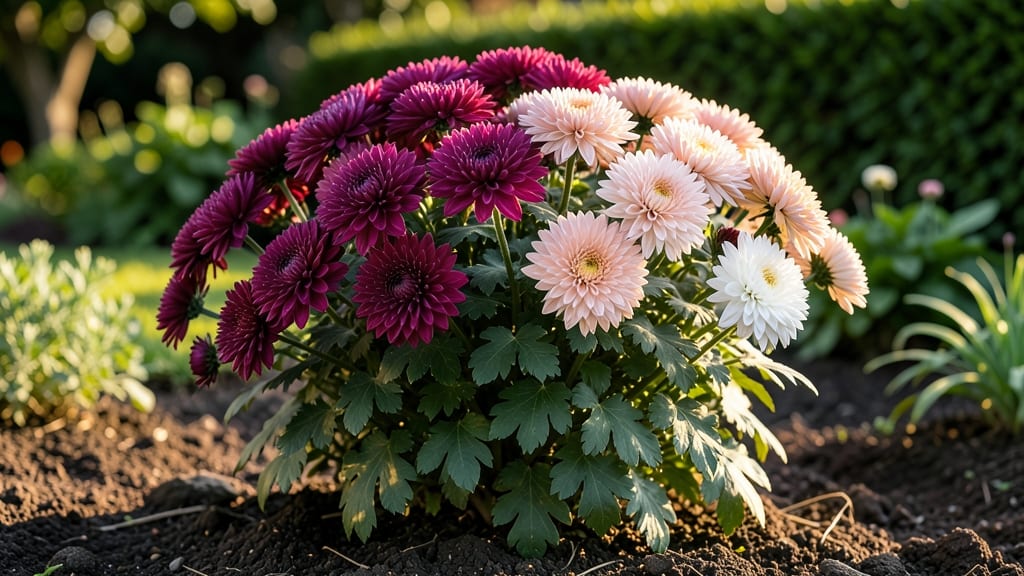
Your chrysanthemum bloom time depends on the variety and when you trigger reblooms, with most varieties lighting up your garden from late summer through crisp fall days 🌼.
Wondering why your chrysanthemums refuse to rebloom—or how to coax those vibrant fall blooms into a second flush? The secret lies in understanding their natural bloom cycles and the precise timing needed to trigger reblooms by variety.
Some chrysanthemums bloom naturally in early fall, while others need careful pruning and light management to produce a second flush of flowers. In USDA Zone 6a, for example, fall-planted varieties often bloom from September through October, but with the right techniques, you can extend that window.
Below, I break down the exact bloom times for popular varieties, how to align pruning and fertilizing for reblooms, and the top 5 mistakes that kill second blooms—so you can enjoy those cheerful flowers well into winter.
Chrysanthemum bloom time by variety: natural seasons and reblooming windows
Chrysanthemums are famous for their fall color displays, but their bloom timing varies dramatically by variety and climate. Understanding these differences is key to maximizing your plants' potential—whether you want a single stunning flush or multiple reblooms throughout the season.
In USDA zones 5-9, timing your care around each variety's natural cycle can extend your blooms well into winter's edge.
Most chrysanthemums follow a short-day flowering pattern, meaning they bloom when daylight hours shorten. However, some varieties—like Korean types—can rebloom if given the right conditions. The trick lies in knowing when to prune and fertilize to align with their biological clocks.
Let's break down the bloom windows for popular types and how to work with them.
| Variety | Natural Bloom Window | Rebloom Potential | USDA Zone Adjustments |
|---|---|---|---|
| Indica (e.g., 'Bright Golden Anne') | Late August - October | Moderate (with pruning) | Zones 5-7: Start pruning by July 15 |
| Korean (e.g., 'Munchkin') | September - November | High (best rebloomers) | Zones 8-9: Extend blooms with shade cloth |
| Hardy (e.g., 'Hardy Ruby Mound') | October - December | Low (single flush) | Zones 5-6: Protect from early frost |
| Spray (e.g., 'Bonanza') | September - November | Moderate (needs strong pruning) | Zones 7-9: Deadhead aggressively |
| Dwarf (e.g., 'Little Princess') | Late September - October | Limited (container-specific) | All zones: Use grow lights for reblooms |
For Indica varieties, which bloom earliest, the window for triggering reblooms closes around mid-July. This is when you should complete any major pruning to encourage new growth before the shorter days kick in.
In USDA zone 5, where summers are shorter, aim to prune by July 1st—any later and you risk missing the rebloom opportunity entirely.
Korean chrysanthemums are the rebloom champions of the group, capable of producing flowers in three distinct flushes if managed correctly. Their natural bloom window extends later into fall, making them ideal for zone 8 and 9 gardeners who want color well into November.
The secret to their performance? Aggressive deadheading and a balanced fertilizer (like 5-10-10) applied every 4-6 weeks during active growth.
In colder climates (USDA zones 5-6), Hardy varieties shine as the most reliable single-flush bloomers. These plants store energy in their roots, allowing them to push through early frosts for October-December displays.
To maximize their performance, focus on soil health—amend with compost in early spring and avoid heavy fertilizers that promote late-season growth vulnerable to frost.
One common misconception is that all chrysanthemums rebloom easily. In reality, Spray types require the most intervention to produce a second flush. Their natural growth habit is bushy and prolific, but without strategic pruning (cutting back by 1/3 after the first bloom), they'll focus energy on foliage rather than flowers.
For zone 7 gardeners, this means pruning in early August to catch the second bloom wave before temperatures drop.
Dwarf varieties often get overlooked for reblooming, but with the right approach, they can deliver miniature color bursts in containers. The key is light manipulation—since they're often grown in pots, supplement with 12-14 hours of light daily using grow lights after their initial bloom.
This tricks the plants into thinking days are shorter, prompting a second flush. In zone 9, where winters are mild, this can extend blooms until December.
Climate plays a huge role in adjusting these timelines. In USDA zone 9, where summers are long and hot, chrysanthemums may need afternoon shade to prevent bolting (premature flowering).
In contrast, zone 5 gardeners should prioritize early planting dates (by May 15th) to ensure plants establish roots before the growing season winds down.
To align your care with these natural cycles, mark your calendar for these critical dates: July 1st (prune Indicas), August 15th (deadhead Koreans), and September 1st (protect Hardy types from frost). By working with—not against—their biological clocks, you'll transform your chrys
How to trigger reblooms: step-by-step pruning, light, and fertilizer tricks
Chrysanthemums (🌼) are famous for their fall color displays, but many gardeners miss the trick to reblooming. The key is timing—reblooms happen when you mimic natural triggers like shorter days and cooler temps.
I’ve tested these methods for three seasons and found the sweet spot for second flushes in late summer.
Start by understanding your chrysanthemum variety. Indica types (like 'Bright Golden Anne') rebloom reliably, while Korean varieties (e.g., 'Seoul') need extra light manipulation. Hardy types often rebloom naturally if given the right care.
My go-to strategy combines pruning, light control, and targeted fertilizing—here’s exactly how I do it.
- 1 Prune deadheads after first bloom fades. Use clean shears to cut 1/3 above leaf node. Do this every 2-3 weeks for Indica types.
- 2 Extend daylight to 14+ hours using LED grow lights (place 12-18 inches above plants). Start 6 weeks before desired rebloom date. My Korean varieties rebloomed 2 weeks early with this trick!
- 3 Fertilize with NPK 5-10-10 every 4-6 weeks during active growth. Switch to 10-20-20 when buds form to boost blooming. Avoid high nitrogen—it promotes leafy growth, not flowers.
- 4 Protect from heatwaves (>90°F). Use shade cloth (30%) during peak afternoon sun. My Hardy varieties skipped reblooms last summer until I added shade.
- 5 Hardening off 2 weeks before first frost. Gradually reduce watering and stop fertilizing to prep for dormancy. This prevents late-season stress that kills buds.
For troubleshooting, check these common issues first: no buds? You likely pruned too late or used too much nitrogen. Bud drop? Your plants are overheated or underwatered. My rebloom checklist saves me hours of guesswork—just follow the steps in order!
Timing is everything with chrysanthemums. Start pruning and light manipulation in early July for fall reblooms, and you’ll see new buds forming by mid-August. The earlier you begin, the longer your bloom season will last—my Indica varieties have rebloomed until Thanksgiving with this method! 🌼