
Blooming
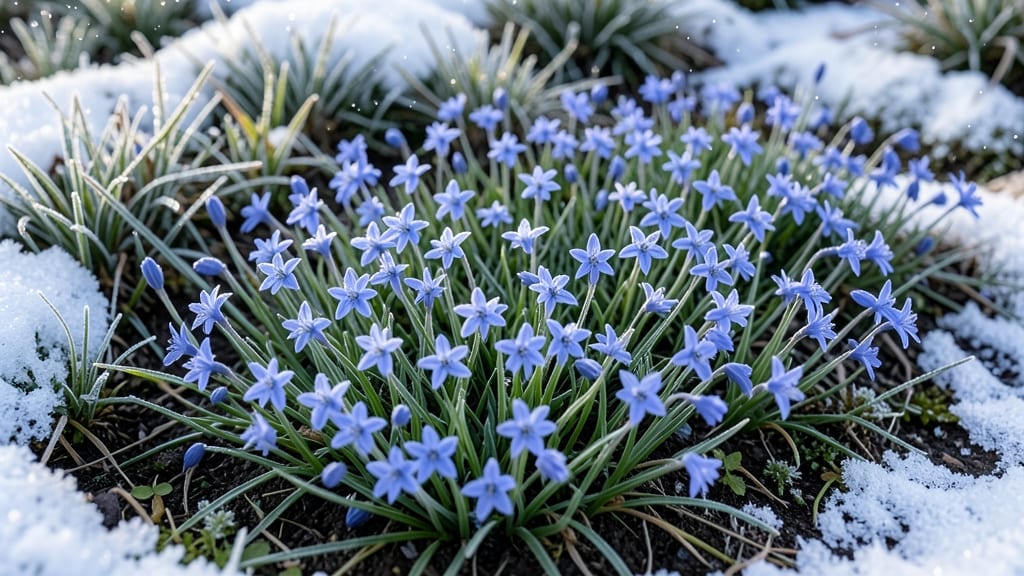
Winter gardens don’t have to be dull—these 10 frost-resistant bulbs thrive in cold weather, delivering vibrant blooms when most plants sleep. Perfect for adding early-season color and attracting pollinators in snowy climates.
Snowdrops Galanthus Nivalis
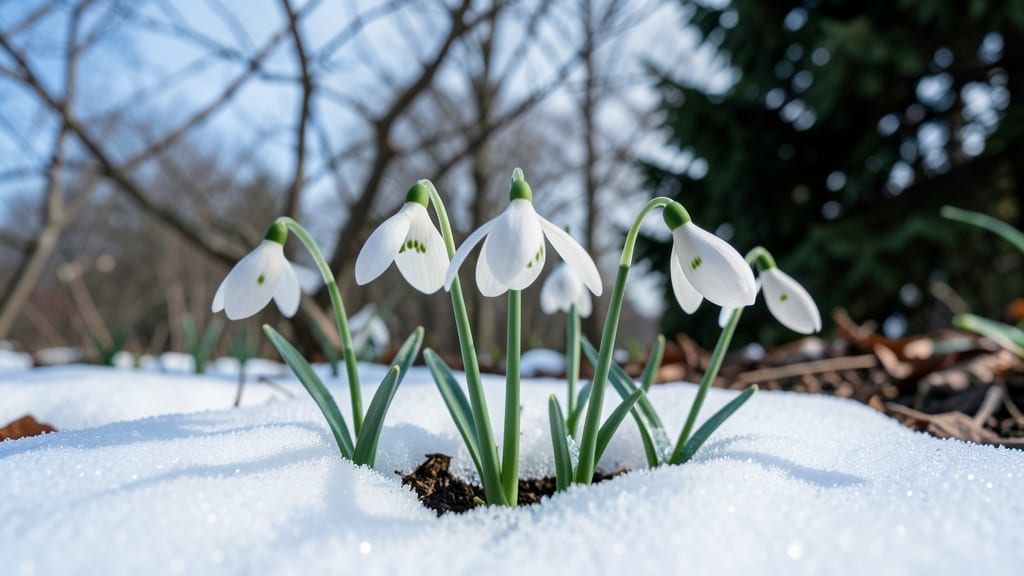
When winter feels endless, snowdrops (Galanthus nivalis) arrive like tiny messengers of spring, often blooming through snow as early as December in mild climates. These delicate white flowers symbolize resilience and hope, making them a heartwarming addition to any garden.
Plant them in partial to full shade under trees or shrubs, where they’ll thrive in well-drained, humus-rich soil. Their deer-resistant nature means they’ll survive where other winter plants might be browsed away. For woodland-style gardens, naturalize them in groups—their nodding blooms create a magical carpet effect when they multiply over time.
Perfect for beginners and woodland gardeners, snowdrops are low-maintenance yet high-reward, turning bleak winter days into moments of quiet beauty. 🌱
Winter Aconite Eranthis Hyemalis
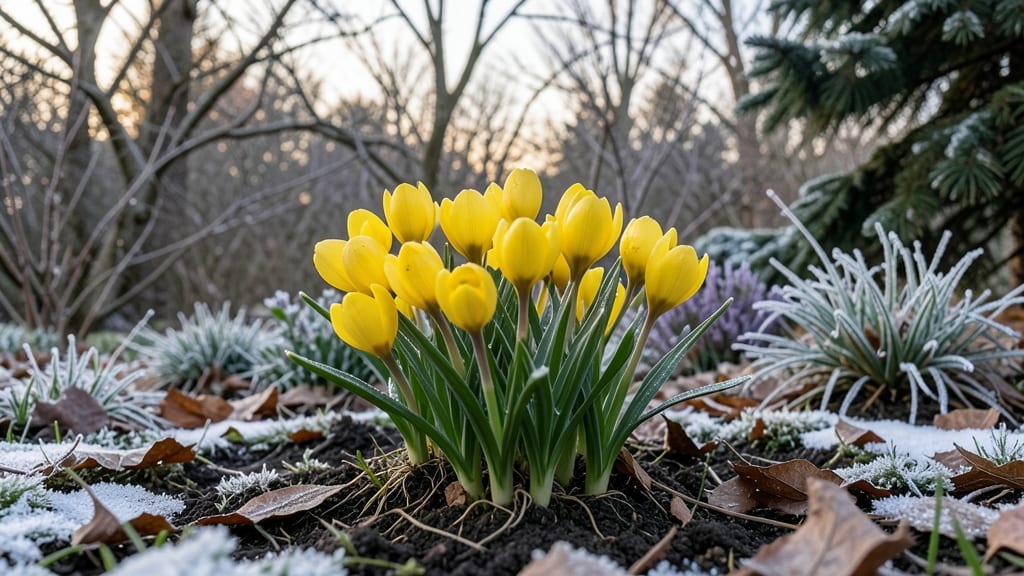
When your garden looks like a blank canvas in late winter, winter aconite (Eranthis hyemalis) swoops in with cheerful bright yellow blooms that defy the cold. Unlike many winter bulbs, this one thrives in partial shade, making it perfect for understory plantings where sunlight is scarce.
Plant these bulbs in fall (September-October) in well-drained soil, and they’ll reward you with blooms as early as January or February, often poking through snow. Their light frost tolerance means they’ll keep blooming even when temperatures dip, and their compact size (6-8 inches tall) makes them ideal for edging paths or tucking into rock gardens.
Urban gardeners with north-facing walls or shady spots will love how winter aconite brightens dull corners—it’s the only plant many areas will support in those conditions before spring. 🌻
Crocus Vernus Dutch Master
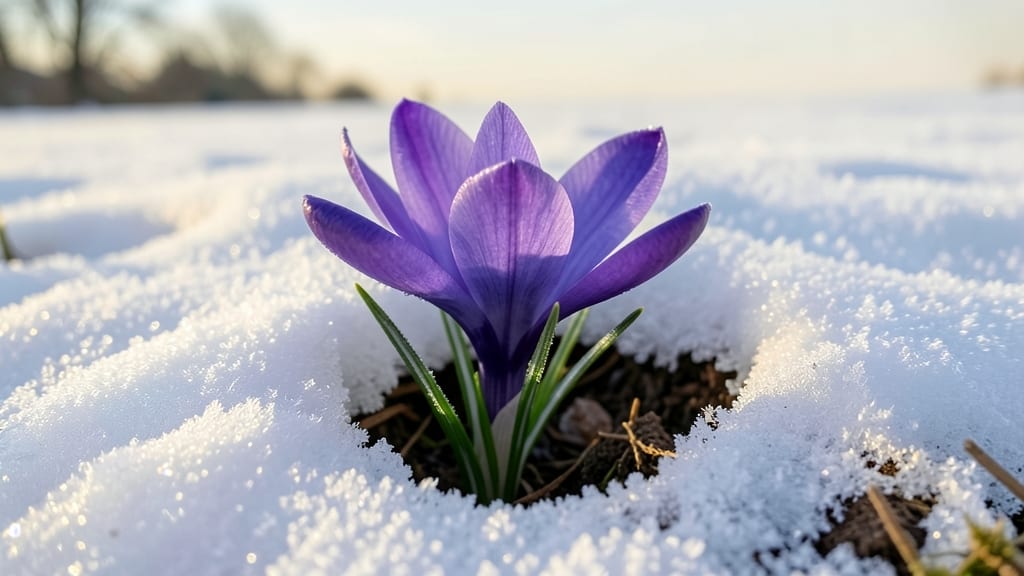
When snow still blankets your garden, Crocus Vernus 'Dutch Master' bursts through with its vibrant purple blooms—proof that winter gardens can be lively and full of life. These early bloomers appear as soon as the snow melts, often in late winter or early spring, and their cheerful colors instantly brighten up any space.
Perfect for naturalizing lawns or adding pops of color to container gardens, these drought-tolerant bulbs thrive in full sun to partial shade and require minimal care. Their early flowers also play a crucial role in attracting bees, providing vital nutrition when few other pollinators are active. Plant them in well-drained soil, and you'll enjoy their stunning blooms year after year with little effort. 🌱
Winter Jasmine Jasminum Nudiflorum
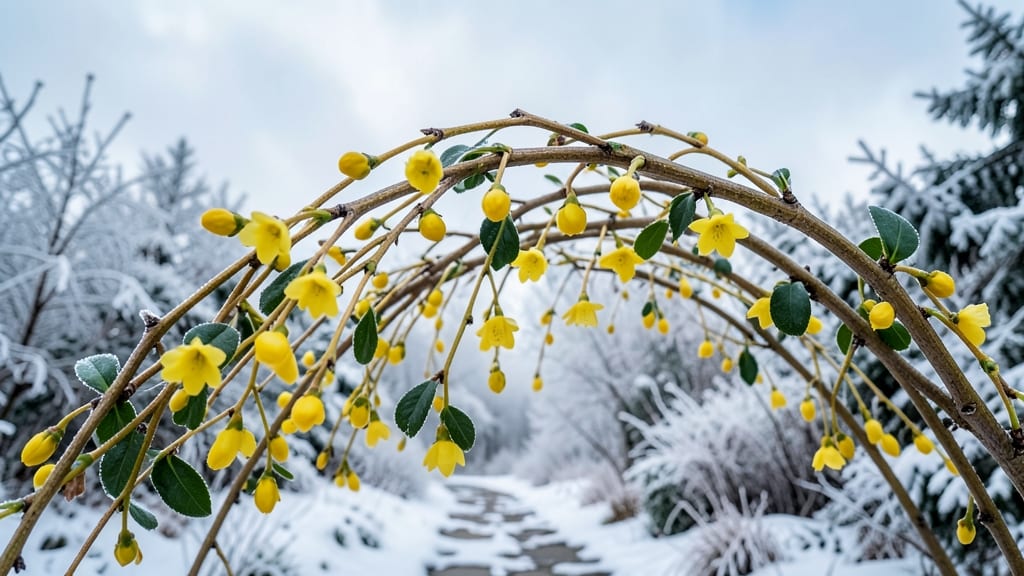
Looking to add a pop of color to your winter garden without planting traditional bulbs? Winter jasmine (Jasminum nudiflorum) is a woody stem plant that defies expectations by blooming bright yellow flowers from late winter through early spring—often while snow still lingers.
Unlike true bulbs, winter jasmine thrives as a deciduous shrub with arching stems that can reach 10 feet tall when trained on trellises or fences. It handles USDA zones 6-9 and prefers full sun to partial shade, making it ideal for urban gardens or rural landscapes alike. Prune back stems after flowering to encourage bushier growth next season.
Perfect for gardeners who want vertical interest without the upkeep of roses or climbing vines, winter jasmine also attracts early pollinators like bees. Its cheerful blooms create a stunning contrast against bare branches or snow-covered lawns. 🌻
Glory-of-the-Snow Chionodoxa Luciliae
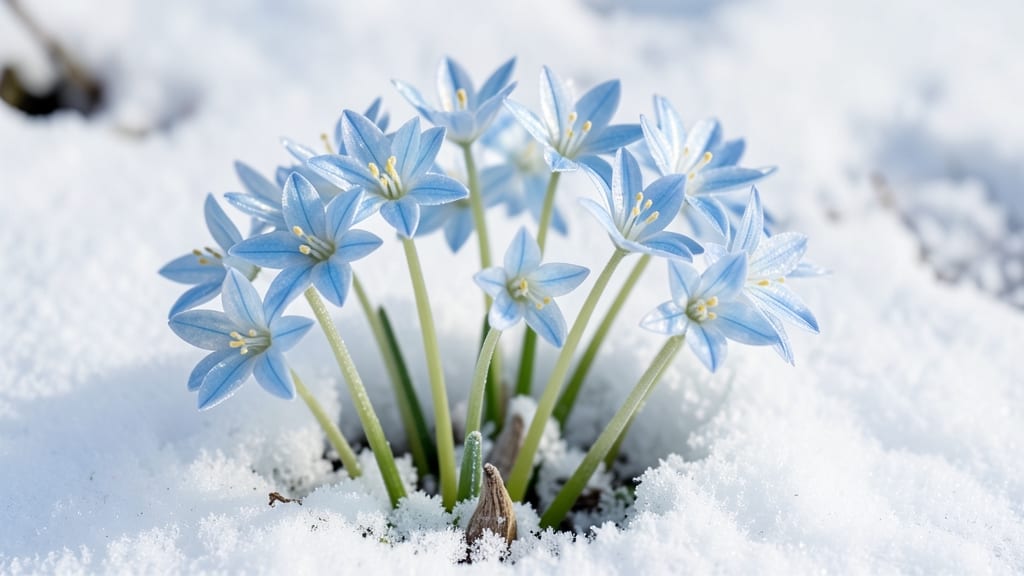
If you crave a winter garden that feels like a fairy tale, Glory-of-the-Snow (Chionodoxa luciliae) delivers sky-blue star-shaped blooms that poke through snow like tiny sapphires. These delicate bulbs thrive where others falter, blooming reliably in full sun to partial shade—making them ideal for rocky slopes, alpine gardens, or even forcing indoors for early spring color.
Plant the bulbs in fall (September-October) in well-drained soil, and they’ll reward you with blooms as early as February or March, often while snow still lingers. Their compact size (6-8 inches tall) makes them perfect for naturalizing in crevices or container gardens, while their bright blue flowers contrast beautifully against winter greenery or bare soil.
Rock garden enthusiasts and urban gardeners with limited space will love how these bulbs bring early color to otherwise stark winter landscapes. Their ability to bloom under snow also makes them a stunning choice for forcing indoors—simply dig up a clump in fall, pot it, and watch the magic unfold on your windowsill. ✨
Christmas Rose Helleborus Niger
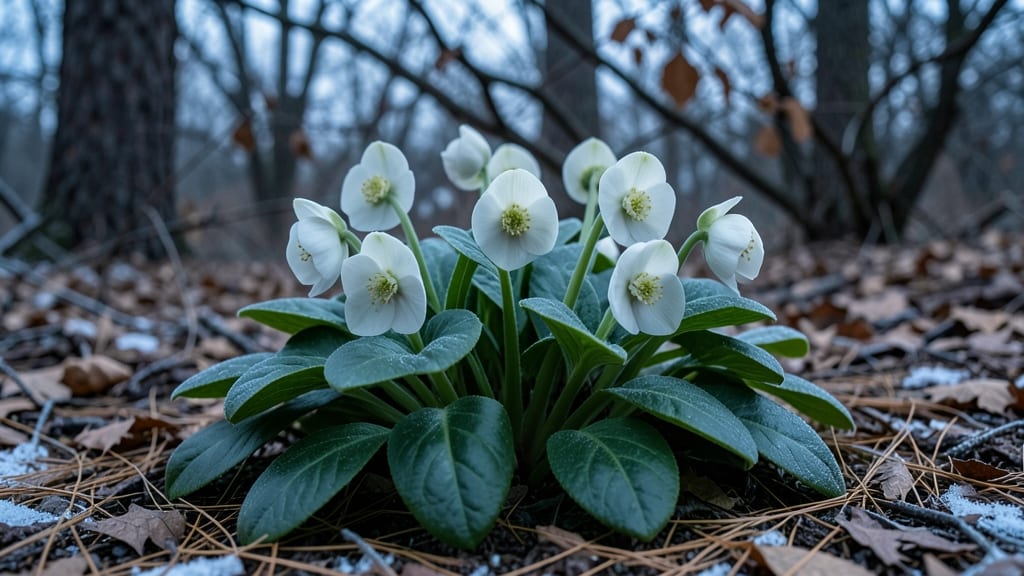
If you crave winter color without sacrificing shade tolerance, Christmas rose (Helleborus niger) delivers with its elegant nodding white flowers that bloom from December through February. Unlike most winter bloomers, this evergreen perennial thrives in deep shade, making it perfect for woodland gardens, understory plantings, or north-facing borders where sunlight is scarce.
Plant the corms in fall (September-October) in well-drained, humus-rich soil, and you’ll enjoy year-round foliage with fresh flowers emerging even through light frost. Its leathery, dark green leaves provide structure year-round, while the delicate blooms attract early pollinators like bees. Deadhead spent flowers to encourage more blooms, but otherwise, this plant requires minimal care once established.
Woodland gardeners and shade enthusiasts will love how Christmas rose creates a magical understory effect—its long lifespan (often 20+ years) means it becomes a cherished garden staple. 🌷
Winter Flowering Cyclamen Cyclamen Coum
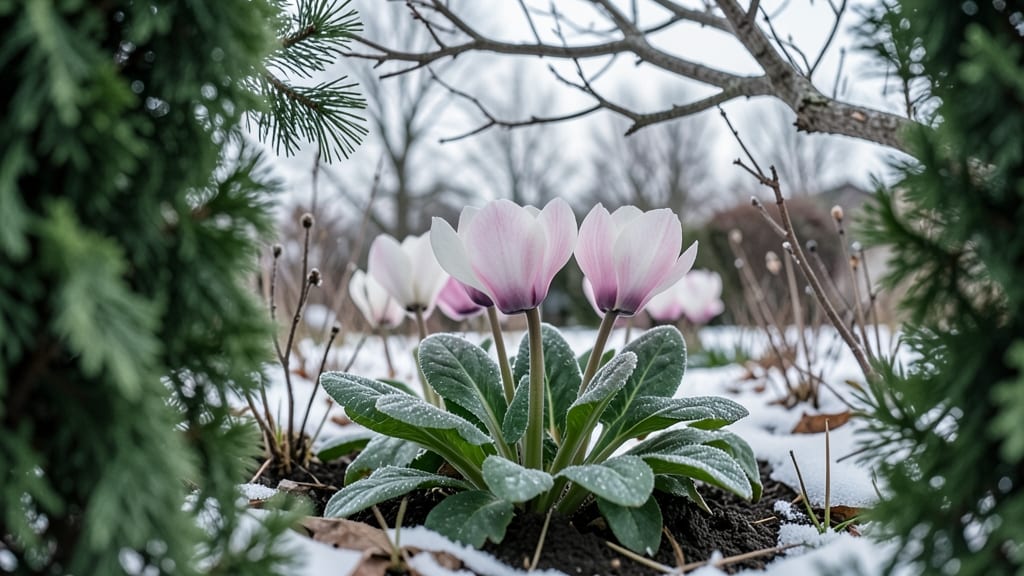
If you crave elegant winter blooms that feel like a secret garden treasure, Cyclamen coum delivers with its heart-shaped pink and white flowers that appear in late winter—often when most gardens are still dormant. Unlike its spring-blooming cousin, this cyclamen thrives in partial shade, making it perfect for understory plantings, alpine slopes, or even container gardens where sunlight is limited.
Plant the tuberous roots in well-drained soil (mix in sand or grit if your soil is heavy) and position them just below the surface—never bury them deeply. Their marbled silver-and-green foliage provides year-round interest, while the fragrant blooms attract early pollinators like bees. For alpine gardens, group them with stonecrop or thyme to create a low-maintenance, textured display that stays vibrant even in frost.
Ideal for urban gardeners with shaded balconies or rock garden enthusiasts, this cyclamen adds a touch of Mediterranean charm without demanding full sun. Its late-winter blooming window (February-March) bridges the gap between winter dormancy and spring awakening. 🌷
Siberian Squill Scilla Siberica
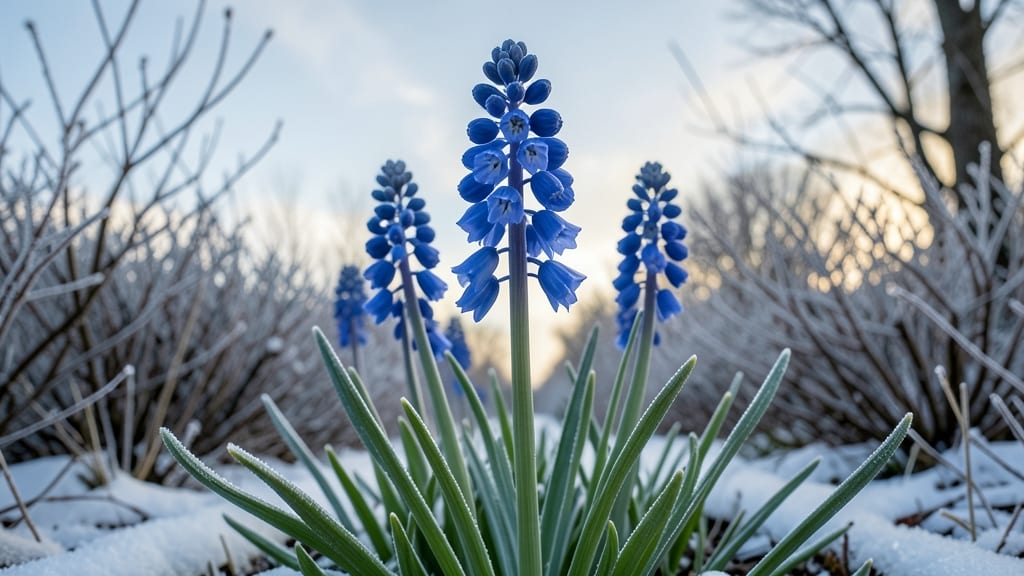
When you crave a bold pop of color in late winter, Siberian squill (Scilla siberica) delivers with its striking bell-shaped blue flowers that rise dramatically above early-season borders. Unlike low-growing winter bloomers, these 12-18 inch spikes create vertical drama that catches the eye from across the garden—ideal for filling that blank canvas between winter and spring.
This hardy bulb thrives in moist, well-drained soils, making it perfect for pond edges, damp meadows, or rain gardens where other plants might struggle. Plant the bulbs in fall (September-October) in partial to full shade, and they’ll reward you with blooms from February through April. Their deer-resistant nature and ability to naturalize over time make them a low-maintenance choice for gardeners seeking reliable winter interest.
Perfect for cottage gardeners, woodland enthusiasts, or anyone with moist garden spots, Siberian squill adds architectural height without requiring trellises or staking. Its vibrant blue flowers also make stunning cut flowers for early spring arrangements. 🌷
Winter Daffodil Galanthus Elwesii
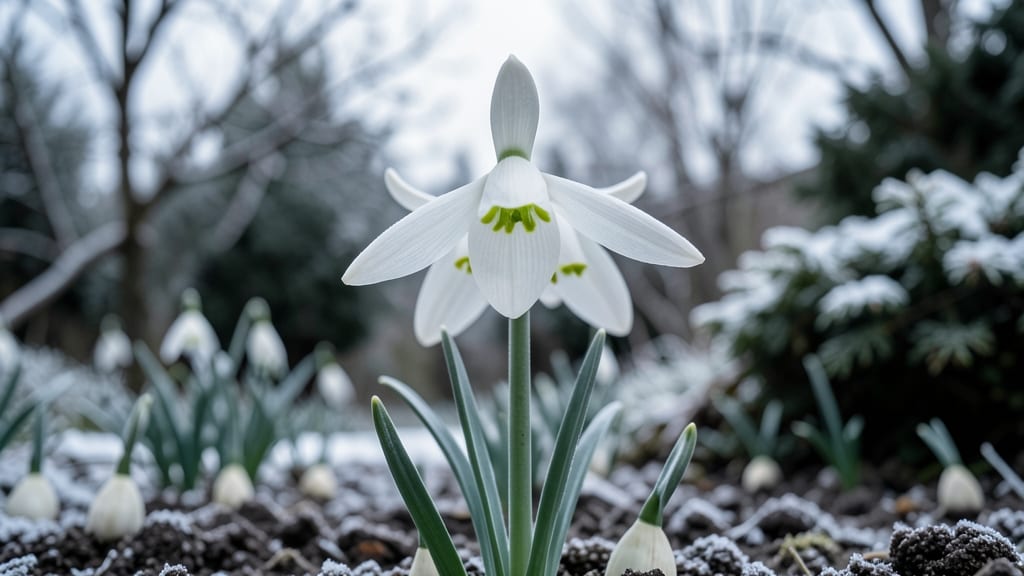
If you crave a bold winter statement that rivals spring daffodils, Galanthus elwesii delivers with its large, fragrant white blooms that appear in January—often when most gardens are still dormant. Unlike its smaller cousins, this giant snowdrop produces 6-inch-tall flowers with a striking yellow eye, making it a showstopper for cutting arrangements or focal points in garden beds.
Plant these bulbs in full sun to partial shade in well-drained soil, and they’ll naturalize beautifully over time. Their hardy nature (USDA zones 3-8) means they tolerate snow coverage and light frost, while their fragrant blooms attract early pollinators like bees. For maximum impact, group them with evergreens or late-winter shrubs like hellebores to create a dramatic, layered effect.
Perfect for gardeners who want dramatic winter color without the fuss of spring bulbs, Galanthus elwesii thrives in both formal and cottage-style gardens. 💚
Alpine Squill Puschkinia Scilloides

When you need a fairy-tale touch for your winter garden, Alpine Squill (Puschkinia scilloides) delivers a carpet of tiny star-shaped blue flowers that bloom in late winter—often while snow still lingers. These delicate blooms create a magical effect in spaces where larger plants can’t thrive, making them perfect for alpine troughs, rocky crevices, or even miniature fairy gardens.
Plant these bulbs in well-drained, gritty soil with full sun to partial shade, mimicking their natural alpine habitat. Their compact size (4-6 inches tall) means they won’t overwhelm small spaces, and their clumping habit creates dense clusters of color. Unlike many winter bulbs, they’re drought-tolerant once established, making them low-maintenance once planted.
Ideal for urban gardeners with balconies, container enthusiasts, or anyone dreaming of a whimsical winter garden, Alpine Squill brings early-season color without the fuss of larger bloomers. 🌷