
Blooming
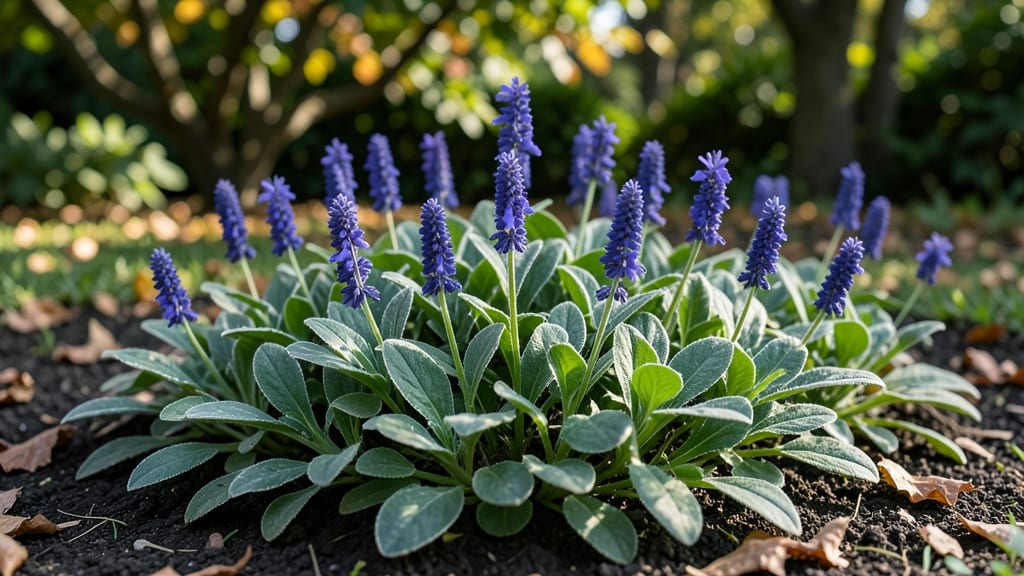
Bugleweed’s bloom time unfurls its vibrant purple spikes like clockwork every spring—often as early as late March in warmer zones. 🌿 I’ve watched mine push through snow in Zone 6, proving this groundcover is one of the first to announce spring’s arrival.
The blooms last 4-6 weeks, but the real magic is how they return year after year without fail, even after frost. What makes bloom time so predictable? Sunlight triggers it—partial shade keeps foliage lush, while morning sun ensures those purple flower stalks reach their full height.
In cooler climates (Zones 3-5), expect blooms 2-3 weeks later, but never later than mid-April. The trade-off? Its aggressive spread means it’s invasive in some regions, so contain it with edging if needed.
Those neon purple flowers aren’t just pretty—they attract pollinators early in the season, giving your garden a head start. The foliage stays attractive all year, with silver-spotted leaves that turn bronze in winter. For boldest blooms, deadhead spent spikes in early summer to encourage a second, smaller flush later.
Works best in USDA Zones 3-9, though it thrives even in Zone 10’s mild winters. Just plant it where you want it to stay—this isn’t a plant that plays nice with boundaries. For gardeners who love low-maintenance color, bugleweed delivers without the fuss of annuals.
📚 In This Guide
- What you need
- Instructions
- Tips and common mistakes
- Wrapping up and next steps
What you need
- ● Bugleweed plants: 3–5 nursery-grown plants (choose varieties like 'Chocolate Chip' or 'Catlin's Giant' for bold blooms).
- ● Well-draining potting mix: 2–3 bags (10–15 cubic feet each) for containers, or amend garden soil with compost (1–2 inches) for in-ground planting.
- ○ Garden soil (optional for in-ground): Test soil pH (aim for 6.0–7.0); amend with lime or sulfur if needed.
- ● Mulch: 1 bag of shredded bark or pine straw (for winter protection).
- ● Garden trowel or spade: For planting (medium-sized, 8–12 inches long).
- ● Gloves: A pair of gardening gloves (nitrile-coated for durability).
- ● Watering can or hose: With a gentle spray nozzle (bugleweed dislikes soggy roots!).
- ● Pruners: Bypass pruners (for trimming spent blooms or invasive runners).
- ● Sunlight access: Partial shade (2–4 hours of morning sun) is ideal—avoid harsh afternoon rays.
- ● Frost-hardy zone: Bugleweed thrives in USDA Zones 3–9 (no need for greenhouses!).
- ● Slow-release fertilizer: 1–2 applications of 10-10-10 in early spring (follow label rates).
- ● Container: A 12–18-inch-wide pot with drainage holes (for patio growing).
- ● Ground cover fabric: To suppress weeds if planting in high-traffic areas.
- ● Plant markers: For tracking varieties (if testing multiple types).
How to time and encourage yearly bugleweed blooms
This hardy ground cover thrives with minimal fuss—here’s how to coax those signature purple spikes back every spring.
🌱 Step 1: Plant in the Right Location for Winter Survival
Bugleweed (Ajuga reptans) loves shade but tolerates partial sun—just avoid full afternoon heat. I plant it in dappled sunlight where it gets morning rays and afternoon shade, like under deciduous trees. The key is well-draining soil—this plant hates soggy roots, so amend heavy clay with 2-3 inches of compost before planting.
Spread the plants 12-18 inches apart in early spring or fall. Press them gently into the soil so the crown sits just below the surface—this protects them from winter heaving. Mulch lightly with 1-2 inches of shredded bark to insulate roots without smothering growth. Here’s the thing—bugleweed’s winter hardiness is legendary, but consistent moisture in its first season ensures strong root establishment for reliable blooms.
☀️ Step 2: Prune After First Blooms to Encourage Rebloom
Those striking purple flower spikes appear in late spring to early summer, but they’re not the plant’s only show. After blooms fade, cut the spent flower stalks back to the ground with clean, sharp shears. This prevents seed production (which can spread aggressively) and redirects the plant’s energy into new foliage and next year’s blooms.
I always prune right after flowering, never in fall—leaving foliage intact through winter gives the plant more photosynthesizing time to store energy for spring. Watch for new rosettes forming at the base after pruning; these are your promise of next year’s blooms. If you skip this step, bugleweed may put all its effort into seeds instead of reblooming.
✂️ Step 3: Divide Mature Clumps Every 3-4 Years
Bugleweed spreads aggressively via runners, which is great for ground cover but can lead to overcrowded, weak centers that bloom poorly. In early spring or fall, dig up the entire clump and separate it into 3-4 inch sections with a sharp spade. Replant the divisions immediately in fresh soil, spacing them 12 inches apart to prevent future congestion.
This is the moment that matters: dividing in spring gives plants a full growing season to establish before winter, while fall divisions benefit from cooler temps and winter moisture. You’ll see vibrant new growth within weeks—proof the plant is ready to bloom again next year. Real talk: Skipping this step leads to fewer, weaker blooms as the center dies out.
💧 Step 4: Water Strategically for Consistent Blooms
Bugleweed is drought-tolerant once established, but new plantings need consistent moisture for the first year. Water deeply once a week during dry spells, aiming for 1 inch of water—enough to moisten 4-6 inches of soil depth. You’ll know it’s right when the soil feels damp but not soggy at the base.
After the first year, reduce watering to every 2-3 weeks unless your region experiences prolonged drought. Overwatering in summer can cause leaf scorch or fungal issues, while underwatering stresses the plant and reduces bloom quality. Here’s the trick: water in the morning to let foliage dry before evening, preventing mildew on those lush purple leaves.
⏰ Step 5: Protect from Late-Freeze Damage
Bugleweed survives USDA zones 3-9, but late spring frosts can nip emerging flower buds. If your area gets unexpected cold snaps after buds form, cover plants with frost cloth at night. Remove it the next morning—trapped heat can scorch leaves faster than frost.
I’ve seen bud damage turn into stunted or delayed blooms, but the plant always recovers. The good news? Bugleweed’s deep root system stores enough energy to rebound quickly. If you’re in a zone 3-5 area, plant in sheltered spots like north-facing slopes or under eaves where frost lingers later in spring.
Tips & tricks for perfect yearly bugleweed blooms
Here’s what nobody tells you about keeping your bugleweed blooming reliably year after year.
Location is Everything: That dappled sunlight spot you choose isn’t just about aesthetics—it’s about balancing light and moisture. I’ve seen bugleweed planted in full sun wilt during summer heatwaves, while those in deep shade produce sparse blooms. The sweet spot is where morning sun warms the soil for root activity, but afternoon shade prevents stress. If you’re unsure, observe your garden: where do you see the most consistent ground moisture without standing water? That’s your bugleweed zone.
Pruning Timing Matters: The instructions say to prune right after flowering, but here’s the secret: timing within that window makes all the difference. I wait until the flower spikes start turning brown and brittle—usually 3-5 days after peak bloom. Cutting too early removes potential seed production that could still feed the plant, while waiting too long means the plant has already directed energy toward seeds instead of next year’s growth. Watch for those new rosettes at the base—they’re your visual cue it’s time to prune.
Dividing Strategy: When you’re ready to divide those 3-4 inch sections, don’t just grab any part of the clump. Target the outer edges with the most vigorous growth—these are the pieces that will establish fastest. The center often contains older, weaker stems that may not recover well. I’ve found that dividing in early spring gives you the best results because the plant can put all its energy into root growth before summer heat arrives. After replanting, give the divisions extra water for the first two weeks to help them establish.
Winter Protection Hacks: That 1-2 inches of shredded bark mulch is your first line of defense against winter heaving, but here’s how to make it work better: apply it after the first hard frost when the ground is cold but not frozen solid. This creates a stable barrier that won’t shift with freeze-thaw cycles. For extra protection in zone 3-5 areas, I’ve had success using straw mulch instead—it’s lighter and provides better insulation against extreme cold. Just remove it in early spring before new growth appears.
Pro Tips for Bugleweed Bloom Time
- Here’s what nobody tells you about keeping your bugleweed blooming reliably year after year.
- Location is Everything: That dappled sunlight spot you choose isn’t just about aesthetics—it’s about balancing light and moisture.
- Pruning Timing Matters: The instructions say to prune right after flowering, but here’s the secret: timing within that window makes all the difference.
Frequently asked questions
Got questions about bugleweed’s bloom time?
Whether you're a gardener eager to plan or a nature lover curious about its resilience, here are some common inquiries—and answers—to help you get the most out of this striking perennial.
When does bugleweed typically bloom, and how long does it last?
Bugleweed (Ajuga reptans) usually bursts into vibrant purple flower spikes in late spring to early summer (April–June), depending on your climate. The blooms last 4–6 weeks, but deadheading spent flowers can encourage a second, smaller flush in late summer. In warmer zones, it may bloom intermittently until frost.
Will bugleweed bloom again after a hard freeze?
Yes! One of bugleweed’s superpowers is its frost resilience. The plant’s roots survive winter, and as long as it’s not killed by extreme cold (-20°F or lower), it’ll bounce back with new foliage and flowers the following spring. Mulch can help protect it in harsh winters.
What if my bugleweed isn’t blooming? How can I encourage flowers?
Lack of blooms often signals too much shade, over-fertilizing (especially with nitrogen), or crowded roots. To fix it:
- Ensure it gets partial sun (3–6 hours/day)—full shade may reduce flowering.
- Use a low-phosphorus fertilizer in early spring to promote blooms (not leafy growth).
- Divide mature clumps every 3–4 years to prevent overcrowding.
Patience helps too—young plants may take 2–3 years to establish and bloom reliably.
Are there alternatives to bugleweed with similar purple blooms?
If you love bugleweed’s color but want variety, try these low-maintenance, frost-hardy alternatives:
- Heuchera (‘Palace Purple’): Gorgeous foliage + delicate spring blooms.
- Lamium maculatum (‘Purple Dragon’): Spiky purple flowers + silver variegation.
- Ajuga ‘Chocolate Chip’: Darker foliage with deep purple blooms.
- Ceratostigma plumbaginoides: Late-summer blue-purple spikes (great for fall color).
All thrive in similar conditions but offer different textures and heights!
Do bugleweed flowers attract pollinators, and are they deer-resistant?
Yes to both! Bugleweed’s neat spikes are a magnet for bees and butterflies, especially early in the season when pollinators are scarce. As for deer? They rarely bother it—the foliage’s mild bitterness and dense growth deter grazing. However, hungry deer might nibble in winter if other food is scarce.
Wrapping up and next steps
Bugleweed’s vibrant purple blooms are a gardener’s dream—frost-resistant, low-maintenance, and reliably returning each year! Whether you’re drawn to its striking spikes or its hardy nature, this perennial is perfect for adding color and resilience to your landscape.
With the right care and placement, you’ll enjoy its beauty for seasons to come.
Ready to invite bugleweed into your garden? Start by choosing a sunny spot, prepping the soil, and planting in early spring or fall. Soon, you’ll be rewarded with those iconic purple spikes—year after year! 🌿✨