
Blooming
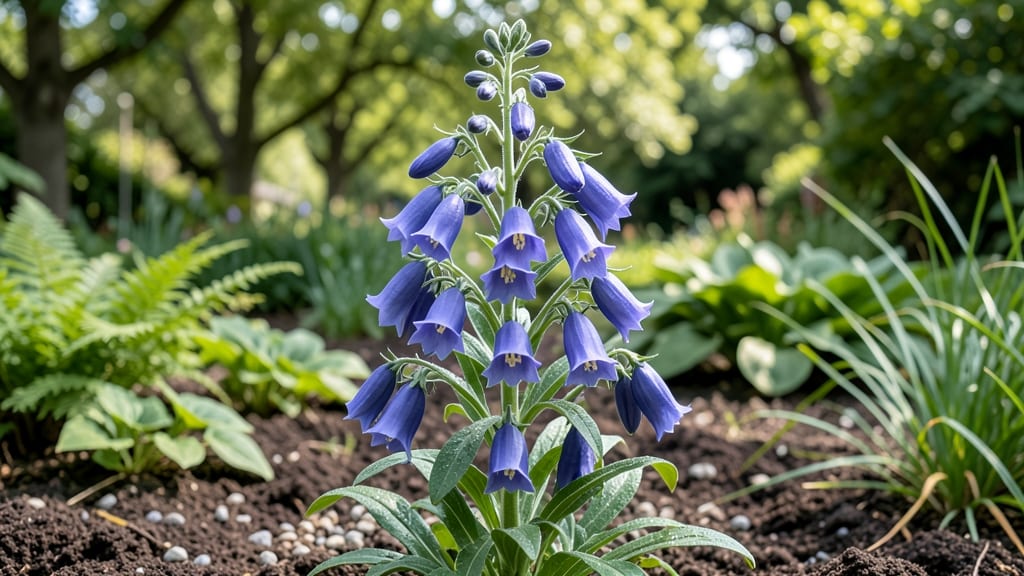
Canterbury bells will bloom their first year—if you plant them right. 🌸 These striking purple spikes (Campanula medium) reward patience with bold, showstopping flowers just 60 days after planting, though some varieties may take slightly longer. The key?
Timing, soil, and a little extra care to coax those first blooms. First-year plants focus on root growth, so they often produce fewer but larger flowers than mature plants. Plant in full sun to partial shade and well-draining soil—soggy roots mean fewer blooms.
Feed with a balanced fertilizer when you see new growth in spring, and water consistently but avoid overwatering. The payoff? Vibrant spikes that stand out in cottage gardens or mixed borders. For the best results, plant in early spring (4-6 weeks before last frost) or late summer for fall blooms.
Deadhead spent flowers to encourage more blooms, and mulch to retain moisture. Most gardeners see peak flowering in their second year, but with the right conditions, first-year blooms are absolutely possible—and worth the wait.
These perennials thrive in USDA zones 4-8, making them a reliable choice for cool climates. Once established, they self-seed and multiply, creating natural drifts of purple. The secret? Give them space—they can grow 2-3 feet tall and spread 1-2 feet wide.
With a little attention, you’ll have those signature bells in no time.
📚 In This Guide
- What you need
- Instructions
- Tips and common mistakes
- Wrapping up and next steps
What you need
- ● Canterbury bells seeds (Campanula medium) – 1 packet (50-100 seeds) or 6-8 seedlings (if transplanting). Choose a reputable brand for fast germination.
- ● Well-draining potting mix – 1 bag (12-18 qt). Opt for a blend with perlite or sand (e.g., 60% peat moss, 30% compost, 10% perlite).
- ● Containers or garden bed – For seeds: Seed trays or small pots (3-4 inches deep) with drainage holes.
- ● For transplanting: Garden plot (full sun, 6+ hours/day) or large pots (12+ inches deep).
- ● Slow-release fertilizer – 1 (10-15 lb) bag (10-10-10 NPK ratio). Sprinkle lightly at planting and mid-season.
- ● Hand trowel or transplanting spade – For digging and sowing seeds.
- ● Misting spray bottle – To keep soil moist during germination.
- ○ Garden gloves – Optional but helpful for handling soil and seedlings.
- ● Mulch (straw or shredded bark) – 1-2 bags to retain moisture and suppress weeds.
- ○ Stakes or cages (optional) – 4-6 stakes (6 inches tall) to support tall blooms (especially in windy areas).
- ● 💡 Cold stratification: Chill seeds in the fridge for 2-4 weeks before planting to mimic winter—this boosts germination rates!
- ● 🌡️ Temperature: Seeds thrive in 60-70°F soil. Use a heat mat ($15-$25) if your climate is chilly.
- ● ✨ Light: Place seed trays near a south-facing window or under grow lights (12-14 hours/day) until transplanting.
How to get Canterbury bells to bloom their first year
Here's how to coax those dramatic purple spikes in just 60 days—no waiting years for flowers.
🌱 Step 1: Select the Right Variety and Plant at the Perfect Time
Choose a compact variety like 'Alba' or 'Telephone' for first-year blooms. These grow 12-18 inches tall and mature faster than standard types. Plant seeds indoors 10-12 weeks before your last frost date—this gives them enough time to develop strong roots before flowering.
Canterbury bells thrive in cool spring temperatures (50-65°F). If you plant too early, they'll bolt (send up flower spikes prematurely) and produce weak blooms. Wait until soil temperatures reach 55°F before transplanting outdoors. You'll know it's time when nearby perennials like snapdragons are starting to sprout.
☀️ Step 2: Provide Ideal Light and Soil Conditions
Place your seedlings in full sun (6+ hours daily)—they need bright light to develop the energy for first-year blooms. A south-facing window or grow light works for indoor starts. Without enough light, stems grow leggy and produce fewer flowers. You'll see strong growth when leaves are dark green and 1-2 inches apart.
Use well-draining soil with a slightly alkaline pH (6.5-7.5). Mix in 1 cup of compost per gallon of potting mix to provide nutrients without overfeeding. Over-fertilizing causes excessive foliage growth at the expense of blooms. Test soil moisture by sticking your finger 1 inch deep—water when it feels dry but not bone-dry.
💧 Step 3: Water Consistently and Fertilize Strategically
Keep soil evenly moist but never soggy. Canterbury bells hate wet feet, which leads to root rot and stunted growth. Water at the base in the morning so foliage dries quickly. You'll notice healthy plants have upright stems and crisp, vibrant leaves—wilting or yellowing means you're overwatering or underwatering.
Start fertilizing when seedlings develop their third set of true leaves (about 4 weeks after germination). Use a balanced 10-10-10 fertilizer at half strength every 2 weeks until flowering. Switch to a low-phosphorus (5-10-10) feed once buds form to encourage blooms over foliage. Stop fertilizing 6 weeks before first frost to let plants harden off.
✂️ Step 4: Deadhead and Support for Continuous Blooms
Pinch off spent blooms as soon as they fade to redirect energy to new flower spikes. This encourages continuous blooming through the season. Use clean pruners and cut just above the next set of leaves. You'll see new buds forming within 2-3 weeks of deadheading.
Stake tall varieties with 6-inch bamboo stakes when they reach 6 inches tall. Canterbury bells can get top-heavy with blooms, and wind easily snaps stems. Tie stems loosely with soft garden twine, leaving room to grow. Avoid tight ties—they restrict growth and can damage stems as plants thicken.
⏰ Step 5: Extend the Season for Fall Blooms
Canterbury bells thrive in cool weather and often rebloom in fall if given the right conditions. After your first frost, cut back faded stems to 6 inches tall to encourage new growth. Mulch with 2 inches of straw to insulate roots and retain moisture. You'll see new shoots emerge in 3-4 weeks if temperatures stay above 40°F.
Protect tender new growth from late frosts with frost cloth on chilly nights. These plants are surprisingly hardy once established, but young foliage can't handle freezing temperatures. With proper care, you'll enjoy two full cycles of blooms in their first season—something most gardeners only see in later years.
Tips & tricks for first-year Canterbury bells blooms
These insider tricks will help you coax those stunning purple spikes in just 60 days—no waiting years required.
Variety Matters: The compact varieties like 'Alba' or 'Telephone' are your secret weapon for first-year blooms. These grow 12-18 inches tall and mature faster than standard types, but here's what nobody tells you—avoid the temptation to plant larger varieties. Their energy goes into growing tall stems rather than developing flower buds. I've seen gardeners plant 'Giant' varieties expecting immediate blooms, only to get skinny stems with tiny flowers. Stick to the compact types for dramatic spikes right away.
Temperature Timing: The 50-65°F range is critical for preventing bolting, but here's the real secret: monitor your local snapdragon growth. When those nearby perennials start sprouting, that's your cue that soil temperatures have reached 55°F—the perfect moment to transplant. I learned this the hard way after planting too early and getting leggy, weak plants that bolted prematurely. The snapdragons act as your natural thermometer, saving you from guessing games with soil thermometers.
Light Strategy: While full sun is essential, here's what I do when my garden doesn't get enough sunlight: use a combination of south-facing windows and grow lights. Place seedlings on the brightest windowsill you have, then supplement with a simple LED grow light for 12-14 hours daily. I've had stunning first-year blooms from plants that got only 4 hours of direct sun but had proper light supplementation. The key is maintaining that 1-2 inch spacing between leaves—when leaves start crowding, you know they're getting enough light.
Fertilizer Transition: The switch from 10-10-10 to 5-10-10 fertilizer when buds form is crucial, but here's the detail that makes all the difference: reduce the 10-10-10 to half-strength for the final two feedings before switching. This gradual reduction prevents shock to the plants while still providing enough nutrients for strong stems. I've seen plants go from lush foliage to weak stems when gardeners switch fertilizers too abruptly—this gradual approach maintains that perfect balance.
Pro Tips for Do Canterbury Bells Bloom The First Year
- These insider tricks will help you coax those stunning purple spikes in just 60 days—no waiting years required.
- Variety Matters: The compact varieties like 'Alba' or 'Telephone' are your secret weapon for first-year blooms.
- Temperature Timing: The 50-65°F range is critical for preventing bolting, but here's the real secret: monitor your local snapdragon growth.
Frequently asked questions
Do Canterbury bells bloom the first year?
Yes! With the right care, these cheerful Campanula medium plants often produce their signature bell-shaped blooms in the first growing season—sometimes as early as 60 days after planting. Cool weather and well-draining soil are key to triggering early flowering.
Why aren’t my Canterbury bells blooming yet?
First-year blooms may delay if your plant is still focusing on root growth. Over-fertilizing (especially with nitrogen) can also push foliage over flowers. Try deadheading spent blooms and ensuring full sun (6+ hours daily). If planted late in the season, wait until next spring—they’re biennials and may bloom more robustly the second year.
How fast do Canterbury bells grow and bloom?
These hardy perennials grow 1–2 feet tall and spread 1–1.5 feet wide in their first season. Under ideal conditions (cool temps, consistent moisture), you’ll see buds form in 60–90 days after planting. Early spring or fall plantings often yield the fastest results!
What if I want blooms sooner—can I speed it up?
Boost flowering by:
- Planting in early spring (4–6 weeks before last frost) for a head start.
- Avoiding summer heat—they thrive in 60–70°F temps.
- Using a balanced fertilizer (10-10-10) lightly when buds form, not foliage.
What’s a good alternative if Canterbury bells bloom late?
For fast first-year bloomers, try:
- Lobelia (30–45 days, trailing purple blooms)
- Sweet Alyssum (40–60 days, fragrant white/purple clusters)
- Snapdragons (60–75 days, bold spikes in many colors)
Wrapping up and next steps
So, can Canterbury bells bloom in their first year? Absolutely! 🌸 With the right care—sunlight, well-draining soil, and patience—their bold purple spikes can grace your garden in just 60 days. While timing varies, these cheerful bloomers reward dedication with stunning color, proving that even first-year plants can shine.
Ready to grow your own? Start by gathering your supplies, then plant with confidence. Watch those blooms emerge, and soon, your garden will be buzzing with Canterbury bell magic! 🌱