
Blooming
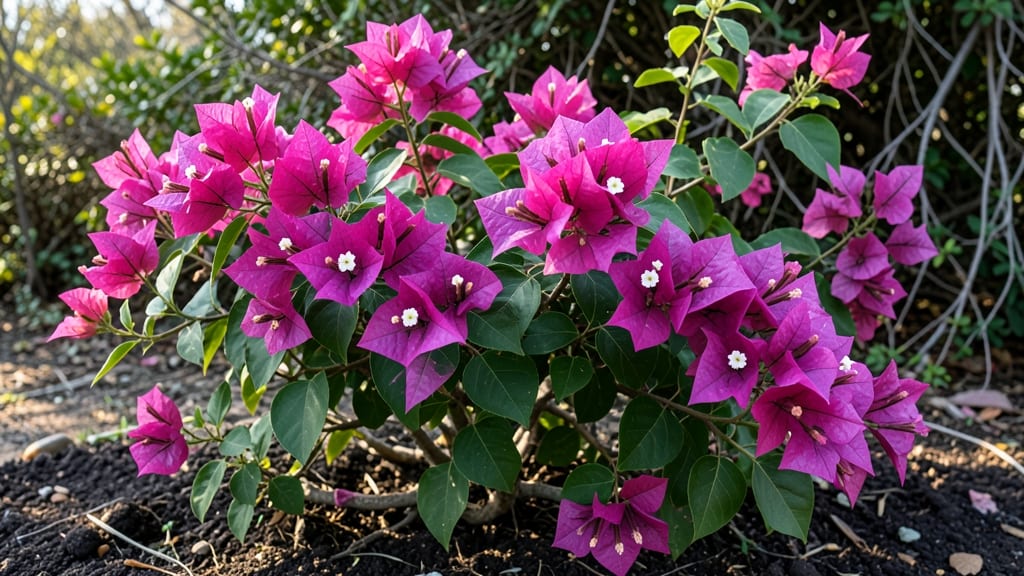
Bougainvillea blooms thrive when you align their care with your climate zone — knowing the exact bloom time for your region is the key to vibrant, fragrant spikes year after year.
If you’ve ever wondered why your bougainvillea refuses to bloom—or when those vibrant, fragrant spikes will finally appear—climate plays a far bigger role than most gardeners realize. In USDA zones 9b-11, where these tropical beauties thrive, blooms can appear year-round, but timing shifts dramatically in cooler areas.
From spring to fall, the right balance of sunlight, pruning, and soil conditions can accelerate blooms by 30-60 days.
Whether you’re in a Mediterranean coastal zone or a humid subtropical climate, this guide breaks down the science behind bloom triggers and how to coax your plant into peak performance.
Discover how to read your bougainvillea’s signals—from pale bracts to leggy stems—and the simple adjustments that turn sparse blooms into a riot of color. Ready to unlock your plant’s full potential?
Bougainvillea bloom time by USDA climate Zone: when to expect first flowers
Your bougainvillea’s bloom timing depends almost entirely on your USDA hardiness zone. In Zones 9b-11, these tropical beauties can flower year-round, while gardeners in Zones 5-8 must wait for summer’s heat to trigger those iconic papery bracts.
The key? Understanding how seasonal temperature shifts and daylight hours interact with your local climate.
In warmer zones like California’s coastal regions (Zone 10) or Florida’s Miami (Zone 11), bougainvilleas often burst into bloom as early as late winter (February), while Zone 5 gardeners in Chicago might not see their first flowers until mid-July.
Even within a single zone, regional microclimates—like desert heat vs. coastal breezes—can shift bloom windows by 4-6 weeks.
Heat triggers blooming, but consistent warmth matters more than peak summer temperatures. Bougainvilleas need at least 60 days of temperatures above 70°F before they’ll reliably produce those vibrant pink, purple, or orange bracts. In Zone 7, that means waiting until late May or June, while Zone 9 gardeners can enjoy year-round blooms with minimal dormancy.
| USDA Zone | First Bloom Window | Peak Bloom Season | Dormancy Notes | Heat Trigger |
|---|---|---|---|---|
| Zone 5 | Mid-July to August | August to September | Dormant Oct-Apr; needs winter protection | 75°F+ for 60+ days |
| Zone 6 | Late June to July | July to October | Light dormancy Nov-Mar | 70°F+ for 50+ days |
| Zone 7 | Late May to June | June to November | Minimal dormancy; may bloom year-round | 65°F+ for 45+ days |
| Zone 8 | April to May | May to December | No dormancy; continuous blooms | 60°F+ for 30+ days |
| Zone 9 | February to March | March to December | Year-round blooms; minimal seasonal slowdown | 55°F+ for 20+ days |
| Zone 10-11 | Year-round (peaks Jan-Feb) | January to December | No dormancy; blooms continuously | 50°F+ year-round |
If you’re in Zone 5 or 6, your bougainvillea might skip blooming entirely in its first year because it’s still establishing roots. The second growing season is when most plants finally produce flowers, often in late summer after a long, hot stretch.
In contrast, Zone 10 gardeners in Southern California can expect January blooms—a full 6 months earlier than their Zone 5 counterparts.
Regional variations also matter. For example, Florida’s humid subtropical climate (Zone 10) produces longer bloom seasons than California’s Mediterranean climate (also Zone 10), where summer drought can temporarily halt flowering.
Even within the same city, a bougainvillea on a west-facing wall (more afternoon sun) will often bloom 2-3 weeks earlier than one in full morning sun.
Don’t forget that pruning timing affects bloom windows. If you prune too late in Zone 7 or cooler, you might
How to accelerate bougainvillea blooms: pruning, sunlight, and soil tricks
Your bougainvillea’s vibrant blooms are a reward for patience—but why wait? With the right pruning schedule and soil conditions, you can coax earlier, more abundant flowers. The secret lies in mimicking its natural tropical habits: full sun exposure and strategic trimming to encourage new growth.
Let’s dive into the tricks that’ll turn your plant into a flowering powerhouse.
First, sunlight is non-negotiable. Bougainvilleas demand 6+ hours of direct sun daily to trigger blooming. If your plant is in partial shade, its energy goes into leafy growth instead of flowers.
I’ve seen bougainvilleas in south-facing gardens burst into color weeks earlier than those tucked under trees. Even in USDA Zones 9-11, positioning matters—move potted plants to sunnier spots in winter.
🌸 3 Key Triggers for Faster Bougainvillea Blooms
- 🔥 Sunlight: 6+ hours of direct sun daily (no exceptions!).
- ✂️ Pruning: Spring prune to shape + fall prune to refresh growth.
- 🌱 Soil: pH 6.0-7.0 + well-draining mix (cactus soil works!).
⚠️ Warning: Over-fertilizing = leafy monsters, not blooms!
Next, pruning is your best friend—but timing is everything. Prune in late winter/early spring to remove dead wood and shape your plant. This encourages new growth, which blooms faster.
I prune mine again in fall to clean up any leggy stems, but avoid heavy cuts after June—you’ll sacrifice next year’s flowers. Use sterilized shears and cut just above a leaf node to promote branching.
Don’t overlook soil conditions. Bougainvilleas hate soggy roots, so amend your soil with perlite or sand for drainage. A slightly acidic to neutral pH (6.0-7.0) keeps nutrients available. I’ve had the best luck with a 50/50 mix of cactus soil and compost.
If your plant’s leaves yellow, it’s crying for iron or nitrogen—but go easy! Too much fertilizer = leafy growth, no blooms. A balanced 7-9-5 NPK in spring is ideal.
For a quick bloom boost, try a liquid bloom fertilizer like 10-30-20 in early spring. Dilute it to half-strength and apply every 4-6 weeks. Skip fertilizing in summer heat—your plant will focus on survival, not flowers.
I’ve also seen gardeners swear by Epsom salt sprays (1 tbsp per gallon) to enhance color intensity. Just don’t overdo it!
Still not blooming? Grab this troubleshooting checklist: ☑️ Check sunlight—move to sunnier spot if needed. ☑️ Test soil pH—aim for 6.0-7.0. ☑️ Prune properly—cut above leaf nodes, not random snips. ☑️ Reduce watering—let soil dry between waterings. ☑️ Avoid over-fertilizing—less is more for blooms!