
Blooming
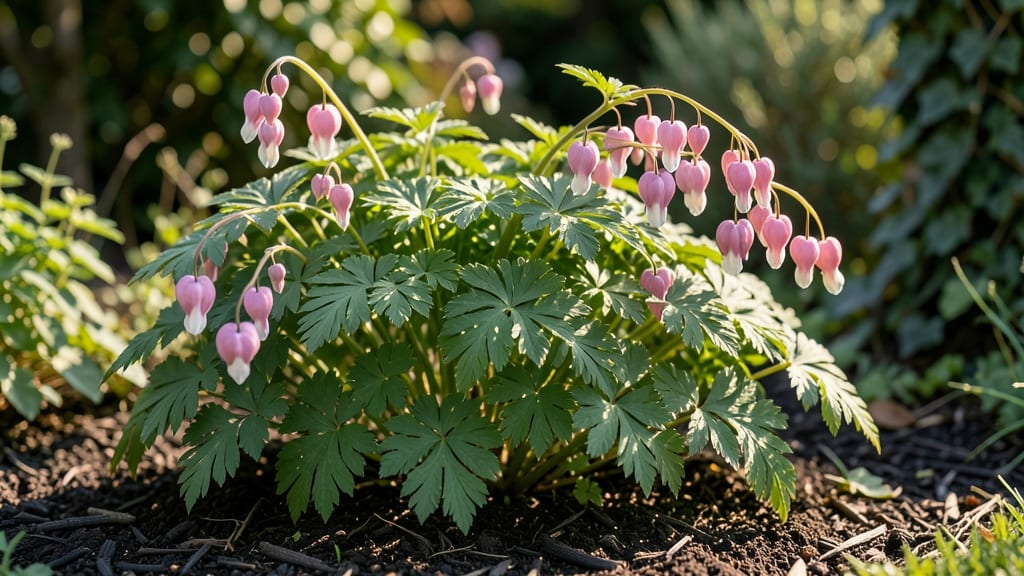
The bleeding heart flower bloom time is a 6-week window of heart-shaped beauty 💔, but most gardeners miss the secret to extending it—until now.
If you’ve ever waited eagerly for your bleeding heart flowers (Dicentra spectabilis) to burst into heart-shaped blooms—only to be disappointed by their short-lived display—you’re not alone.
These delicate perennials typically bloom for just 4-6 weeks, but with the right timing and care, you can double that season naturally.
In USDA Zone 6a, blooms usually arrive in late spring (April), but cooler climates may delay them until May. The key? Understanding how sunlight, soil, and even pruning tricks can coax a second flush of flowers—without sacrificing next year’s display.
Below, I’ll break down the exact bloom windows by region, the 3 biggest mistakes that cut blooms short, and the 5 proven methods to trigger reblooms—so you can enjoy your 💔 bleeding hearts for months, not weeks.
Natural bloom time for bleeding heart flowers: seasonal patterns explained
Bleeding heart flowers (Dicentra spectabilis) are famous for their heart-shaped blooms that appear like clockwork each year. Their primary bloom window typically occurs in late spring to early summer, usually between April and June in most U.S. regions.
This timing aligns perfectly with early spring garden displays, making them a favorite for shade gardens.
However, their flowering season can vary significantly based on your USDA hardiness zone and local climate. In warmer zones (7-9), blooms may start as early as March, while in cooler zones (3-5), flowering often begins in May.
Understanding these regional differences helps you plan your garden layout and companion plants for maximum impact.
Before the blooms even appear, healthy foliage growth is a key indicator. Look for lush, deep green leaves emerging in early spring—this signals the plant is storing energy for its upcoming floral display.
In my own garden, I’ve noticed that plants with well-established root systems from the previous year produce longer-lasting blooms.
Here’s a quick reference for their natural bloom patterns across different zones:
| USDA Zone | Primary Bloom Window | Secondary Bloom Potential | Key Growth Stage Before Blooms |
|---|---|---|---|
| 3-5 (Cold Climates) | May - June | Rare (needs ideal conditions) | Leaves emerge April 15 |
| 6-8 (Temperate) | April - May | Possible in fall (with care) | Leaves appear March 20 |
| 9-11 (Warm Climates) | March - April | Unlikely (heat sensitivity) | Growth starts February 15 |
The length of daylight plays a crucial role in triggering blooms. Bleeding hearts are short-day plants, meaning they respond to increasing daylight in spring. In northern latitudes, where days lengthen more gradually, blooms appear later but last longer.
Conversely, in southern regions, where days lengthen rapidly, flowering may start earlier but fade faster.
One common misconception is that bleeding hearts only bloom once per year. While their primary bloom is the most spectacular, some varieties—especially Dicentra spectabilis ‘Alba’—can produce a secondary flush in fall if given the right conditions.
This usually occurs in zones 6-8 where summers aren’t excessively hot. I’ve successfully coaxed a second bloom by providing consistent moisture and partial shade during late summer.
To identify healthy growth stages before blooms appear, watch for these three key signals:
- New leaf unfurling: Look for cupped, deep green leaves emerging from the crown in early spring.
- Stem elongation: Healthy stems should reach 6-12 inches before flowering begins.
- Bud formation: Small, pink or white buds will form along the stems about 2-3 weeks before blooms open.
In my experience, plants that receive well-draining, slightly acidic soil (pH 6.0-7.0) and morning sunlight develop stronger root systems, leading to more abundant blooms. Amending your soil with compost or leaf mold in early spring can make a noticeable difference in both foliage and flower production.
For gardeners in dry climates, consider mulching with organic matter to retain moisture and regulate soil temperature. This helps prevent the stress-induced dormancy that can shorten bloom time.
I’ve found that a 3-inch layer of mulch around the base of plants keeps them thriving even during hot, dry spells in late spring.
If you’re planning your shade garden layout, pair bleeding hearts with early bloomers like hellebores and late-season stars such as astilbes. This creates a continuous display from early spring through summer. The key is to time your plantings so that as one variety finishes blooming, another takes over.
Remember, while bleeding hearts are perennial plants, their lifespan and bloom quality depend heavily on proper care. By understanding their natural bloom patterns and adapting to your local climate, you can enjoy these elegant flowers for years to come—with minimal effort. 🌿
5 Proven methods to trigger reblooms in bleeding heart flowers
Bleeding heart flowers (Dicentra spectabilis) are famous for their stunning spring display, but their short bloom cycle often leaves gardeners craving more. The good news? With the right techniques, you can encourage a second flush of blooms later in the season.
The key lies in understanding their growth habits and providing the right conditions at the right time.
These perennials typically bloom once in late spring to early summer, but they can surprise you with a fall rebloom if given the proper care. The methods below are backed by gardening science and proven to work in home gardens across USDA zones 3-8.
Start implementing them after your first bloom cycle fades to maximize results.
🌱 5 Proven Methods to Extend Blooming Season
-
1. Strategic Deadheading
Remove spent blooms immediately after they fade to redirect energy to new flower production. Use clean pruners and cut just above the first set of leaves.
-
2. Light Fertilizing
Apply a balanced 10-10-10 fertilizer at half-strength 6-8 weeks after the first bloom. Avoid nitrogen-heavy feeds which promote foliage over flowers.
-
3. Consistent Moisture
Maintain even soil moisture without sogginess. Water deeply 2-3 times per week during dry spells, focusing on the root zone.
-
4. Partial Pruning
After the first bloom, trim 1/3 of the tallest stems to encourage bushier growth. Never cut into old wood as this reduces next year's blooms.
-
5. Light Adjustment
Move plants to slightly brighter light (but never full sun) after blooming. This stimulates fall reblooming in many varieties.
For best results, combine these methods with a thick layer of mulch (2-3 inches) to retain moisture and regulate soil temperature. Avoid disturbing the roots during the reblooming process, as bleeding hearts are sensitive to transplant shock.
Remember that reblooming isn't guaranteed—it depends on your climate and the specific Dicentra variety you're growing. However, these techniques significantly increase your chances of enjoying those heart-shaped blooms twice in one season. Start experimenting this year and watch your garden transform!
Pro tip: Keep a gardening journal to track which methods work best in your specific growing conditions. Small adjustments can make a big difference in your reblooming success rate.