
Blooming
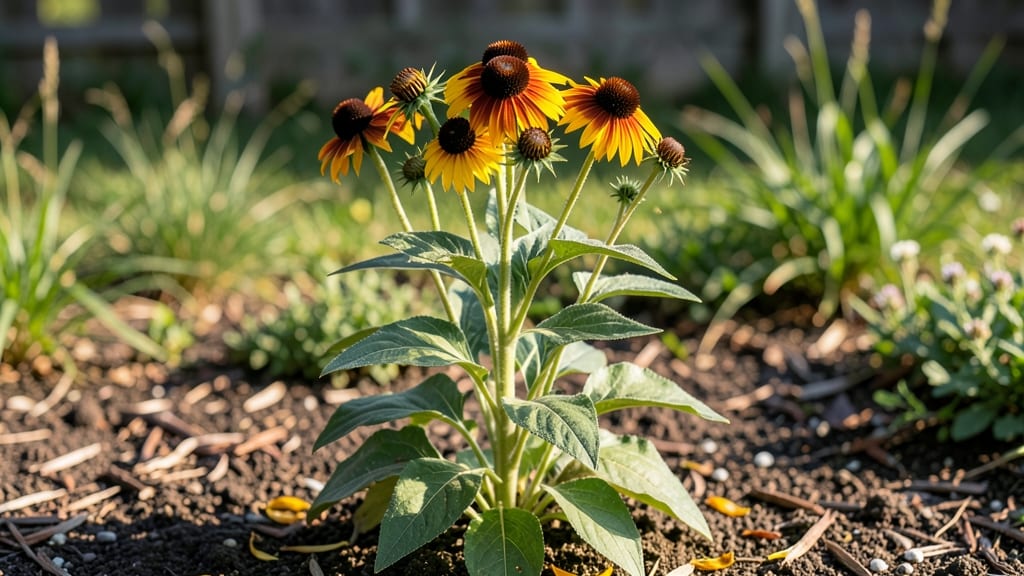
Black Eyed Susans bloom in mid-to-late summer 🌼, turning your garden into a golden wave of cheerful color—but their timing isn’t set in stone.
Picture this: you’ve waited all season for those bright yellow blooms, only to see them fade faster than a summer breeze. The secret to keeping them around? Understanding their natural bloom cycle and how to nudge it just right.
From July through September, these hardy perennials shine brightest, but factors like sunlight, soil, and even your deadheading habits can shift their peak. I’ll break down the exact timing, regional tweaks, and the simple tricks to stretch their beauty into fall.
Ready to turn your garden into a nonstop summer show? Here’s how to time it perfectly—and keep those Black Eyed Susans blooming longer than ever.
Black Eyed susan bloom time: seasonal timeline and ideal growing conditions
Black Eyed Susans (Rudbeckia hirta) are summer's brightest stars, delivering cheerful yellow blooms that attract pollinators and lift any garden. But their peak bloom time depends on your USDA zone, sunlight exposure, and soil health.
In most regions, these hardy perennials burst into color from mid-July through September, though early varieties can start as soon as June in warm climates.
Understanding their natural bloom cycle helps you plan for continuous color. Without intervention, blooms fade quickly, but with proper care—like deadheading spent flowers—you can stretch their season until first frost.
Let’s break down the ideal growing conditions that maximize bloom time and regional variations to help you time your garden perfectly.
🌼 SUMMARY TABLE: Black Eyed Susan Bloom Timeline & Conditions
| Factor | Ideal Specification | Impact on Bloom Time |
|---|---|---|
| Sunlight | 6-8 hours full sun daily | Longer bloom season; more flowers |
| Soil Type | Well-draining, slightly acidic to neutral (pH 6.0-7.0) | Healthier roots = prolonged blooming |
| Water Needs | 1 inch per week; drought-tolerant once established | Overwatering delays blooms; underwatering shortens season |
| USDA Zones | 3-11 (adjusts bloom start date) | Zones 3-5: July-Sept; Zones 8-11: June-Oct |
| Fertilizer | Balanced 10-10-10 in spring | Encourages earlier, abundant blooms |
| Deadheading | Remove spent blooms weekly | Extends season by 4-6 weeks |
Your location plays a huge role in when Black Eyed Susans bloom. In cooler northern climates (Zones 3-5), expect blooms to start around mid-July and continue until first frost in October.
Meanwhile, in warmer southern zones (8-11), these perennials often begin flowering as early as June and may linger until November, especially with consistent care.
For gardeners in transition zones (6-7), timing can vary widely. If your spring is cool but summer heats up quickly, you might see early June blooms followed by a second flush in late August.
Pay attention to your last frost date—planting too early in cold soils can delay flowering by 2-3 weeks, while waiting until after soil reaches 50°F ensures timely blooms.
Sunlight is non-negotiable for optimal bloom time. Black Eyed Susans thrive in full sun (6-8 hours daily), but they’ll still bloom in partial shade (4-6 hours), though with fewer flowers. If your garden is shady, choose compact varieties like 'Indian Summer', which tolerate lower light better.
In hot, dry climates, mulch around plants to retain moisture and encourage longer bloom periods.
Soil health directly impacts bloom duration. These perennials prefer well-draining soil with a slightly acidic to neutral pH (6.0-7.0). Amend heavy clay soils with compost or sand to prevent root rot, which can stunt growth and shorten the bloom season.
A light feeding in spring with a balanced fertilizer (10-10-10) gives them the nutrients needed for vigorous, long-lasting blooms.
Watering habits also affect when and how long Black Eyed Susans flower. While they’re drought-tolerant once established, consistent moisture during early growth (spring to early summer) ensures robust stems and abundant blooms.
Overwatering, however, can lead to fungal diseases like powdery mildew, which weakens plants and cuts bloom time short. Aim for 1 inch of water per week, delivered in the morning to reduce evaporation and disease risk.
To maximize continuous color, deadhead spent blooms weekly by snipping off faded flowers just above the next set of leaves. This simple task tricks the plant into producing new blooms instead of seeds, extending the season by 4-6 weeks.
Pair deadheading with a light fertilizer application every 4-6 weeks during the growing season to keep flowers coming. For late-season blooms, avoid heavy pruning after mid-August, as new growth may not have time to mature before frost.
Choose the right variety for your goals. Some, like 'Goldsturm', bloom profusely from July to October, while others, such as 'Cherokee Sunset', offer earlier blooms with deeper colors.
For longest bloom times, opt for dwarf varieties like 'Indian Summer,' which handle heat and humidity better than taller
When and how to deadhead Black Eyed Susans for extended blooming
Black Eyed Susans (Rudbeckia hirta) reward gardeners with their signature golden-yellow blooms from mid-summer to early fall, but without proper care, their flowering season can feel disappointingly short.
The secret to keeping these hardy perennials blooming nonstop? Deadheading—a simple technique that encourages new flower production by removing spent blooms. Timing and method matter just as much as the act itself, so let’s dive into how to do it right.
Deadheading works by redirecting the plant’s energy from seed production back into creating new buds and flowers. For Black Eyed Susans, this means cutting back the flower stems just above a set of healthy leaves or side buds.
The key is to act quickly—once a bloom fades, it’s already diverting resources to seed development, shortening your display. Weekly checks during peak bloom season (July through September) will maximize your golden display.
⚠️ callout warning
Deadheading too early can stunt flower development—wait until the center cone turns fully brown and petals droop. Removing blooms too late (when seeds form) reduces next year’s blooms. Best time of day? Early morning after dew dries but before 10 AM heat—this prevents stress on the plant.
Pro Tip: Use clean, sharp pruners to avoid damaging stems. Never pull spent blooms—this can uproot the plant!
You’ll need just a few tools to deadhead effectively: sharp pruning shears, clean garden scissors, or even your fingers (for small stems). For larger clumps, I recommend bypass pruners to make clean cuts without crushing stems.
Always sterilize your tools with rubbing alcohol between plants to prevent spreading disease. Wear gloves if your plants have thorns—some varieties like 'Cherokee Sunset' can be prickly!
The science behind deadheading is simple: when you remove a spent bloom, the plant perceives it as a signal to produce more flowers instead of seeds. This triggers hormonal changes that promote lateral bud growth.
For Black Eyed Susans, which naturally bloom in waves throughout summer and fall, consistent deadheading can extend their display by 4-6 weeks beyond their natural peak. Just be mindful not to cut into the woody base—this can harm the plant’s structure.
Common mistakes can sabotage your efforts. One big error is cutting too aggressively—never trim more than 1/3 of the plant’s height at once. Another is ignoring new side shoots that form after deadheading; these are your plant’s way of telling you where to focus future cuts.
Also, avoid deadheading in hot afternoon sun—this stresses the plant and can lead to wilting. Morning or evening is ideal for both you and your Black Eyed Susans.
To transition smoothly from summer to fall blooms, start deadheading in early July as the first flowers fade. By mid-August, you’ll see a second flush of blooms if you’ve been consistent.
For a fall extension, reduce deadheading frequency in September—let a few blooms go to seed to ensure next year’s growth. Mulch around the base with 2-3 inches of organic matter to protect roots and retain moisture during late-season heat waves.