
Blooming
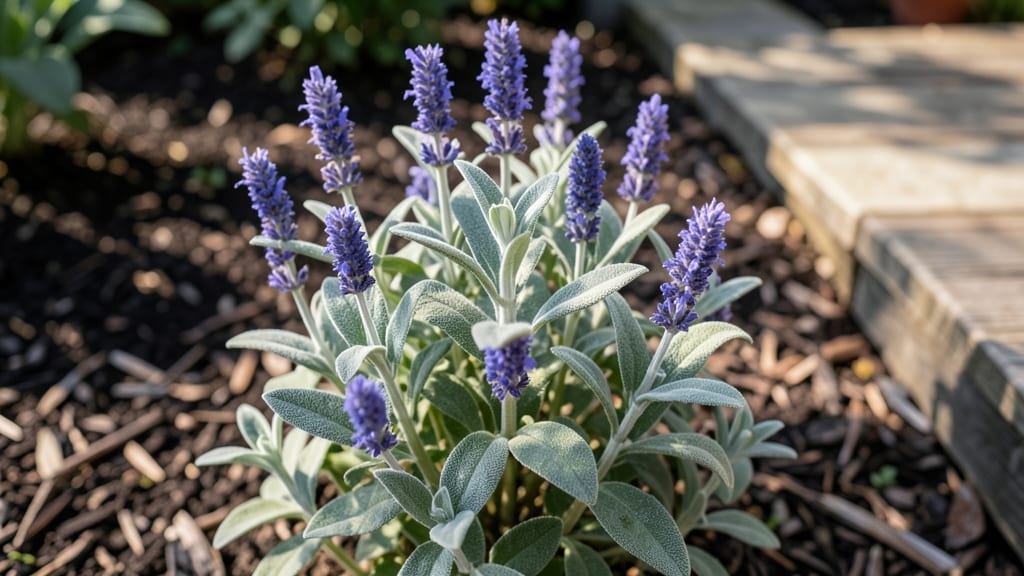
"Black and Bloom" sage transforms any garden into a moody, velvety masterpiece. 🌿 Its deep purple-black foliage and lavender-blue spikes create a striking contrast that demands attention—no deadheading required. This isn’t just a plant; it’s a statement, thriving in borders, containers, or pollinator-friendly designs with minimal fuss. The secret to its drama lies in its year-round interest: silvery-blue flowers in spring, rich foliage through summer, and subtle color shifts in fall. Pair it with silver foliage plants like lamb’s ear or dusty miller to amplify its moody elegance, or contrast it with bright yellows like coreopsis for a bold, unexpected pop. You’ll love how it resists flopping (unlike many sages) and stays compact, making it perfect for edging pathways or spilling over container edges. The fragrance of its blooms adds a bonus sensory layer—subtle but undeniably inviting. For maximum impact, group it in odd-numbered clusters (3, 5, or 7 plants) to create visual rhythm. Low-maintenance and drought-tolerant once established, it’s the low-effort, high-reward plant that keeps gardeners reaching for their cameras.
📚 In This Guide
- What you need
- Instructions
- Tips and common mistakes
- Wrapping up and next steps
What you need
- ● Black and Bloom Sage Plants: 3–5 mature plants (ensure they’re labeled or purchased from a reputable nursery).
- ● Well-Draining Potting Mix: 5–10 gallons (look for a blend labeled for herbs or succulents—avoid heavy garden soil!).
- ● Containers or Garden Beds: Containers: 5–7-inch diameter pots (1 per plant) with drainage holes.
- ● Garden Beds: Full sun exposure (6+ hours/day) and loose, rocky soil.
- ● Slow-Release Fertilizer: 1 cup of balanced, organic fertilizer (10-10-10 or similar).
- ● Pruning Shears: Sharp, clean pair (sterilize with rubbing alcohol between cuts!).
- ● Watering Can or Hose: With a gentle spray nozzle for hydration.
- ● Mulch: 1–2 inches of gravel or pine bark to retain moisture and deter weeds.
- ● Epsom Salt: 1 tablespoon per gallon of water (monthly for magnesium boost).
- ● Garden Gloves: To protect hands from prickly stems.
- ● Plant Labels: For tracking varieties (if mixing with other sages!).
Step-by-Step guide to growing Black and Bloom sage for stunning purple flowers
Here's how to coax those dramatic purple flower spikes from your Black and Bloom sage—with minimal fuss and maximum impact.
🌱 Step 1: Select the Right Site and Prepare the Soil
Black and Bloom sage thrives in full sun—at least 6-8 hours daily. I always choose the sunniest spot in my garden because this variety grows best when it gets maximum light exposure. The soil should be well-draining; sage hates soggy roots. If your garden soil is heavy clay, amend it with compost or gritty sand to improve drainage.
Before planting, loosen the soil to a depth of 12 inches with a garden fork. This breaks up compacted layers and encourages strong root growth. I like to work in a handful of slow-release fertilizer at this stage—it gives the sage a steady nutrient supply without risking overfeeding. The ideal soil pH for Black and Bloom sage is slightly alkaline, around 6.5-7.5, so test your soil if you're unsure.
☀️ Step 2: Plant at the Correct Depth and Spacing
Plant your Black and Bloom sage in early spring, after the last frost date in your area. Dig a hole twice as wide as the root ball but only as deep as the container it came in. This prevents burying the crown too deeply, which can cause rot. Space plants 2-3 feet apart—they grow wider than most people expect, and crowding leads to poor air circulation and disease.
Gently remove the plant from its container and place it in the hole, backfilling with soil while firming it lightly around the base. Water deeply right after planting to settle the soil and eliminate air pockets. You'll know you've done it right when the soil surface looks slightly settled but not muddy. Mulch around the base with 2-3 inches of organic mulch to retain moisture and suppress weeds, but keep the mulch 2 inches away from the stem to prevent rot.
💧 Step 3: Water Deeply and Establish a Consistent Routine
Black and Bloom sage is drought-tolerant once established, but it needs consistent moisture during its first growing season. Water deeply once a week during dry spells, allowing the top 2-3 inches of soil to dry out between waterings. Overwatering is the biggest mistake I see—it causes root rot and weakens the plant's ability to produce those stunning purple flowers.
To check moisture levels, stick your finger into the soil. If it feels dry up to your first knuckle, it's time to water. Water at the base of the plant in the early morning to reduce evaporation and fungal risks. Avoid wetting the foliage, as this can encourage powdery mildew. Once established, your sage will handle dry spells like a champ, but those first few months are critical for root development.
✂️ Step 4: Prune Strategically for Bushier Growth and More Flowers
Here's the secret to zero deadheading with Black and Bloom sage: prune in early spring before new growth begins. Cut back the previous year's growth by one-third to encourage bushier, more compact growth. Use clean, sharp pruners to make cuts just above a set of healthy leaves or buds. This stimulates new growth and ensures your sage produces more of those dramatic purple flower spikes.
After flowering, you can lightly trim spent blooms to keep the plant tidy, but don't worry about deadheading every single flower. Black and Bloom sage is bred to be low-maintenance—it naturally produces flowers along the stems, so a light cleanup in late summer or early fall is enough. Avoid heavy pruning in fall or winter, as this can stimulate new growth that won't survive cold temperatures.
🪴 Step 5: Overwinter for Repeat Blooms Next Season
Black and Bloom sage is a perennial in USDA zones 5-9, so with proper care, it will reward you with flowers year after year. In fall, cut back the plant by half to remove any dead or diseased growth. This tidies up the plant and prepares it for dormancy. Mulch heavily around the base with 3-4 inches of organic mulch to insulate the roots and protect against freezing temperatures.
In early spring, remove the mulch and water lightly to encourage new growth. You'll see fresh shoots emerging from the base in 3-4 weeks, signaling that the plant is ready for another season of growth. Black and Bloom sage is particularly hardy and rarely requires winter protection beyond proper mulching. With this approach, you'll enjoy those stunning purple flower spikes for years to come with minimal effort.
Tips & tricks for perfect Black and Bloom sage growth
These insider strategies will help you cultivate the most vibrant purple blooms with minimal effort.
Sunlight Strategy: While the instructions specify 6-8 hours of full sun daily, I've found that Black and Bloom sage actually thrives with even more sunlight—up to 10-12 hours on particularly hot days. The deeper purple hues develop most intensely when the plant gets maximum light exposure. If your garden doesn't offer full sun all day, consider placing your sage in the sunniest spot available and supplement with a reflective surface nearby to bounce extra light onto the foliage.
Soil Preparation Secret: The 12-inch soil loosening recommended in Step 1 is crucial, but I take it one step further by adding a 5-gallon bucket of coarse sand to the planting hole before backfilling. This creates an instant drainage channel around the roots, which is especially important if your native soil tends to compact. The sand helps prevent the root rot that can occur when Black and Bloom sage sits in soggy conditions for too long.
Pruning Precision: When cutting back by one-third in early spring (Step 4), focus on removing the oldest, leggiest stems first. These are typically the ones that grew the previous year and have become woody. By removing them, you're actually encouraging the plant to put more energy into producing fresh, flowering stems from the base. I like to make my cuts at a 45-degree angle just above a leaf node—this creates a larger surface area for new growth to emerge.
Winter Protection Hack: For those in USDA zones 5-6, where winters get particularly harsh, I recommend adding a thin layer of straw mulch over the 3-4 inches of organic mulch specified in Step 5. The straw acts as an extra insulating blanket that protects against temperature swings. In early spring, simply remove the straw layer first, then the regular mulch—this prevents smothering the emerging shoots.
Pro Tips for Black And Bloom Sage
- These insider strategies will help you cultivate the most vibrant purple blooms with minimal effort.
- Sunlight Strategy: While the instructions specify 6-8 hours of full sun daily, I've found that Black and Bloom sage actually thrives with even more sunlight—up to 10-12 hours on particularly hot days.
- Soil Preparation Secret: The 12-inch soil loosening recommended in Step 1 is crucial, but I take it one step further by adding a 5-gallon bucket of coarse sand to the planting hole before backfilling.
Frequently asked questions
Why does my Black and Bloom Sage stop blooming?
This hardy perennial often blooms less in its first year, but mature plants (2+ years) may skip flowers if over-fertilized or overwatered. Black and Bloom Sage prioritizes foliage growth—prune spent blooms gently (never more than 1/3 of the plant) to encourage reblooming. Too much nitrogen? Switch to a low-nitrogen, high-phosphorus fertilizer in early spring.
How long does it take for Black and Bloom Sage to bloom?
Patience pays off! Seed-grown plants may take 1–2 years to produce those signature purple flower spikes, while nursery-bought plants often bloom the first year if planted in full sun (6+ hours/day). Cold-hardy zones (5–9) see blooms in late spring to early summer, with occasional fall reblooms in warm climates.
Can I grow Black and Bloom Sage in containers?
This sage thrives in pots with well-draining soil and a minimum 12-inch depth. Use a mix of cactus/succulent soil + perlite to prevent root rot. Containers dry out faster—water only when the top 2 inches of soil are bone-dry. Pro tip: Add a slow-release fertilizer in spring to support compact growth.
What can I substitute if I can’t find Black and Bloom Sage?
Try these purple-blooming, drought-tolerant alternatives:
- ‘Purpurascens’ Sage (classic purple spikes, slightly taller)
- ‘May Night’ Sage (deep violet blooms, heat-resistant)
- Salvia ‘Hot Lips’ (red-and-white contrast, hummingbird magnet)
- Lavender (fragrant but needs slightly more water)
Does Black and Bloom Sage survive winter?
Yes! This perennial is cold-hardy in zones 5–9. In colder regions (zone 4 or below), mulch the base with 2–3 inches of straw or shredded leaves after the first frost. Evergreen foliage may brown slightly in winter but regrows vibrantly in spring. Pro tip: Avoid heavy mulch in hot summers—it can suffocate roots.
Why are my sage leaves turning yellow?
Yellowing leaves usually signal overwatering or poor drainage. Black and Bloom Sage is drought-tolerant—water only when soil is completely dry (stick your finger 2 inches deep; if dry, water deeply). If leaves are crispy, it’s underwatered. Check for pests (aphids, spider mites) on the undersides of leaves—spray with neem oil if needed.
Wrapping up and next steps
Growing Black and Bloom Sage is a rewarding journey that brings deep purple drama and effortless beauty to your garden—without the fuss of deadheading! 🌿 With its striking foliage, fragrant blooms, and low-maintenance nature, this variety is perfect for both beginners and seasoned gardeners.
Whether you’re drawn to its culinary uses, ornamental appeal, or hardy resilience, this sage is a standout addition that thrives with minimal care.
Ready to level up your herb garden? Start by snagging a plant (or seeds!) and give it a sunny spot in well-draining soil.
Then, share your progress—we’d love to see your Black and Bloom Sage flourish! 📸 Tag us or join gardening communities to swap tips and inspire others. Happy growing! 🌱