
Blooming
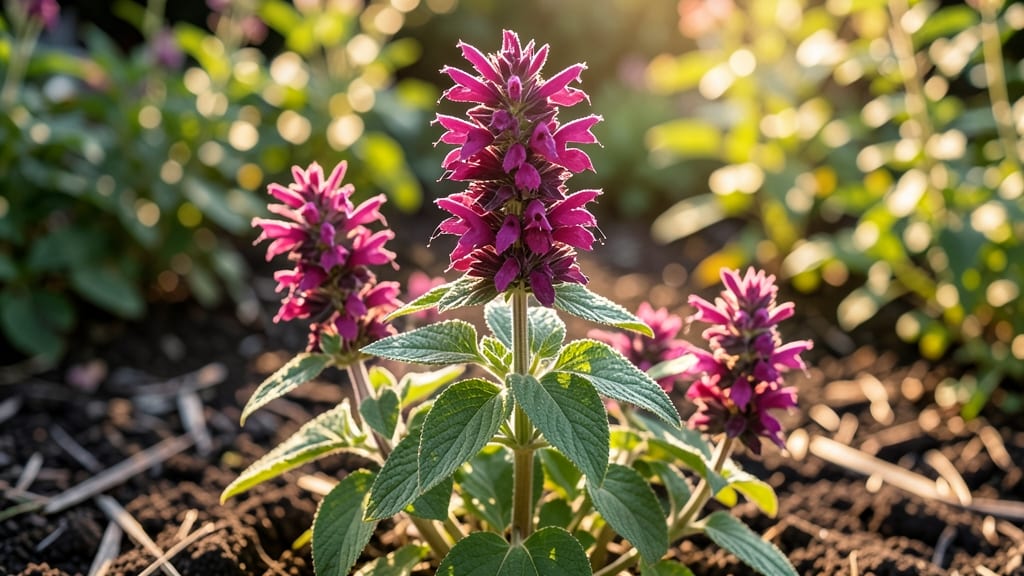
Bee balm blooms from June through August 🐝, but the exact timing depends on your hardiness zone, variety, and a little extra care.
If you’ve ever dreamed of a garden buzzing with pollinators and bursting with vibrant blooms, bee balm (Monarda) is your secret weapon—but timing is everything.
Whether you’re in the frost-prone Zone 3 or the mild Zone 10, knowing exactly when your bee balm will bloom ensures you’ll enjoy its fiery colors and hummingbird magnetism for months.
Most varieties, like the beloved ‘Jacob Cline’, kick off their show in early summer, but cooler zones may see blooms delayed until July.
With the right pruning and deadheading, you can stretch that three-month window into nearly half the year—think pink, purple, and crimson flowers from June right into September.
Below, I’ll break down the month-by-month bloom calendar for your zone, share the pruning secrets that extend your season, and pair it with companion plants that keep your garden thriving all summer long.
Bee balm bloom time by USDA hardiness Zone: exact months for peak color
Timing your bee balm (Monarda) blooms means planning for a garden that thrives from late spring to early fall.
But the exact months depend on your USDA zone and the specific variety. Common bee balm (Monarda didyma) and wild bergamot (Monarda fistulosa) have distinct bloom windows, while lemon bee balm (Monarda citriodora) follows its own schedule.
Let’s break it down by zone so you can anticipate those vibrant pink, purple, and red spikes in your landscape.
First, know that chill hours and sunlight exposure trigger blooming. Most perennial bee balm varieties need 500–1,000 chill hours (below 45°F) to flower reliably. In Zones 3–5, this means waiting for late spring after frost danger passes.
Meanwhile, Zones 6–10 often see blooms as early as April or May, with some varieties reblooming into October if given proper care.
Pro Tip: Plant your bee balm in full sun to partial shade (6+ hours of sunlight) to maximize bloom duration. In hotter zones (7–10), afternoon shade helps prevent wilting, but morning sun is critical for triggering flowers.
| USDA Zone | Common Bee Balm (Monarda didyma) | Wild Bergamot (Monarda fistulosa) | Lemon Bee Balm (Monarda citriodora) |
|---|---|---|---|
| 3–4 | June–July (single flush) | June–August (reblooms if deadheaded) | July–August (short season) |
| 5–6 | May–July (reblooms with care) | May–September (longest bloom) | June–September (citrus scent peaks) |
| 7–8 | April–June + September (two flushes) | April–October (continuous with deadheading) | March–May + August–October |
| 9–10 | February–April + August–October (tropical varieties) | January–March + July–September | Year-round (patchy, needs pruning) |
Notes: Reblooming depends on deadheading and pruning. Zones 9–10 may require winter protection for best results.
In Zones 3–4, your bee balm will likely bloom in a single flush during June or July, especially for Monarda didyma. However, wild bergamot (Monarda fistulosa) often extends its show into August if you deadhead spent blooms.
This variety is also more drought-tolerant, making it ideal for dry climates in these colder zones.
Moving to Zones 5–6, you’ll see blooms start as early as May, with wild bergamot leading the charge. Common bee balm varieties like ‘Jacob Cline’ or ‘Marshall’s Delight’ will reward you with a second flush in late summer if you prune back after the first bloom.
The key here is to remove faded flowers to encourage more blooms—this is called deadheading, and it works wonders for perennial bee balm.
Gardeners in Zones 7–8 have the advantage of two bloom seasons: one in spring (April–June) and another in fall (August–October). Lemon bee balm (Monarda citriodora*) is a standout here, offering citrus-scented flowers that hummingbirds adore.
To keep your plants blooming, water deeply once a week and mulch around the base to retain moisture. Avoid over-fertilizing, as this can reduce flowering.
For Zones 9–10, bee balm behaves almost like an annual, with blooms stretching from winter into fall. Monarda fistulosa often flowers in January or February before summer heat sets in, while ‘Mohawk’ bee balm can bloom year-round with minimal care.
However, protect your plants from frost—even a light freeze can damage tender growth. In these zones, regular pruning is essential to keep plants compact and encourage continuous blooms.
How to extend bee balm bloom time: pruning, deadheading, and season-long care
Bee balm (Monarda) is a pollinator’s paradise, but its bloom time can feel short-lived if you don’t intervene. The key to longer flowering seasons lies in smart pruning techniques and seasonal care.
I’ve found that deadheading spent blooms and strategic pruning cuts can extend your bee balm’s glory by 4–6 weeks—even in short-season zones like Zone 4. Let’s dive into the step-by-step methods that work for me every year.
First, understand your bee balm’s growth habit. Most varieties—like ‘Jacob Cline’ or ‘Marshall’s Delight’—produce their first flush of blooms in mid-to-late summer. But with the right pruning schedule, you can trigger a second flush by late summer or early fall.
The trick? Timing is everything. If you prune too early, you risk stunting the first bloom. Too late, and you’ll miss the chance for a rebloom.
🌿 5 Pro Tips to Extend Bee Balm Bloom Time
- 🔹 Deadhead daily after blooms fade to prevent seed formation and redirect energy to new flowers.
- 🔹 Prune back by ⅓ after the first bloom wave in late July to encourage a second flush.
- 🔹 Fertilize lightly with 10-10-10 in early spring and after pruning to boost vigor.
- 🔹 Plant with companions like thyme or lavender to repel Japanese beetles and pests.
- 🔹 Avoid overwatering—bee balm thrives on consistent moisture but hates soggy roots.
Let’s talk deadheading, the simplest way to extend bloom time. Snip off spent flower heads with clean pruning shears or your fingers (yes, really!) as soon as they fade. This prevents seed production and signals the plant to focus on new blooms instead.
I deadhead my ‘Mohawk’ bee balm every 2–3 days during peak bloom, and it keeps flowering until first frost in Zone 5.
For a second flush, time your pruning cut carefully. After the first wave of blooms fades in August, use sterilized shears to trim back 1/3 of the plant’s height.
This removes exhausted stems and encourages new growth from the base. ‘Spotted Bee Balm’, for example, often reblooms in September if pruned this way. Just avoid cutting into woody stems—focus on green growth only.
Don’t overlook soil health—it’s the foundation of long bloom seasons. Amend your soil with compost in early spring and top-dress with aged manure after pruning. My Zone 6 garden thrives when I add 1–2 inches of compost annually. Japanese beetles?
Plant bee balm near rosemary or catmint to deter them naturally. These companion plants also attract beneficial predators like ladybugs.
Finally, protect your bee balm in short-season zones. If frost threatens early, cover plants with frost cloth to shield late-season blooms. In Zone 3, I’ve extended bloom time by 2 weeks with this simple trick.
With these season-long strategies, your bee balm will keep your garden humming with pollinators from summer to fall. 🐝