
Flowers
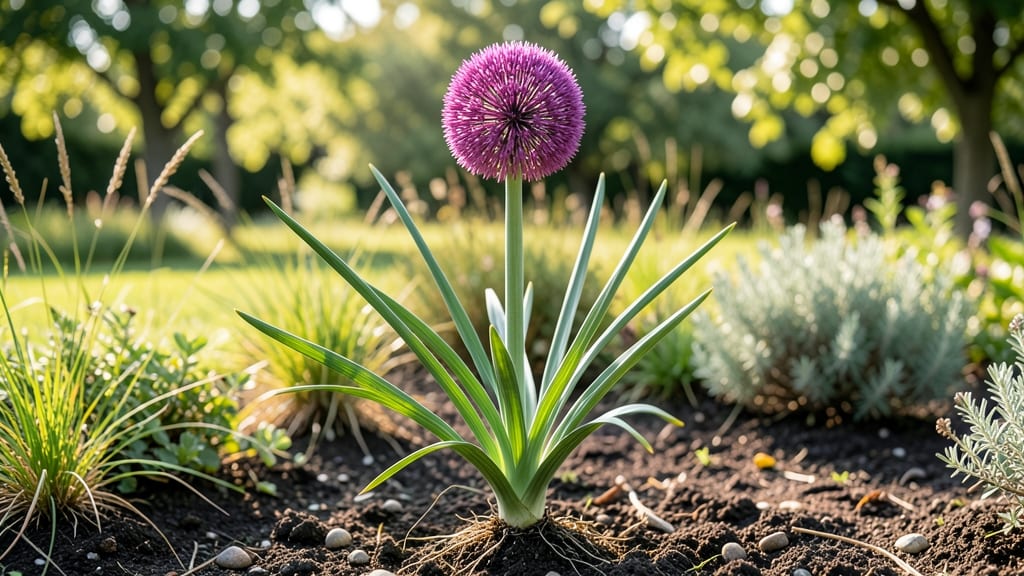
The allium flower bloom time in late spring to early summer is stunning, but whether these blooms return year after year depends on whether you’re growing perennials or annuals.
If you’ve ever wondered why your allium flowers bloom at different times—or whether they’ll return next year—you’re not alone. Understanding allium bloom cycles is key to planning stunning spring and summer gardens, but perennial and annual varieties behave very differently.
Perennial alliums, like globe alliums and ornamental onions, thrive in USDA Zone 6a and beyond, often returning for years with proper care. Annuals, on the other hand, complete their life cycle in one season, so timing your planting window in March or April ensures you catch their peak bloom.
In this guide, you’ll learn how to adjust bloom times with simple tricks like pruning and fertilizing, plus how sunlight and soil play a role. Whether you’re aiming for early spring blooms or a late summer showstopper, we’ve got the practical tips to keep your alliums on schedule.
When do perennial Allium flowers bloom? Seasonal timing by variety
Perennial allium flowers are a gardener’s secret weapon for long-lasting color, but their bloom times vary dramatically depending on the variety.
Some burst into bloom in early spring, while others wait until late summer—and knowing the difference helps you plan a garden that stays vibrant from season to season. Unlike annuals, perennials return year after year, making their timing even more valuable for succession planting.
Globe alliums, like the popular Allium 'Globemaster', are famous for their spring blooms (March–May in most zones), while ornamental onions and garlic chives often shine in late summer (July–September).
Understanding these patterns ensures your garden never goes without striking floral interest. Let’s break down the key varieties and their bloom windows.
| Variety | Bloom Time | Hardiness Zones | Height | Sun Needs |
|---|---|---|---|---|
| Allium 'Globemaster' | Late April–June | 4–9 | 2–3 ft | Full sun |
| Allium 'Purple Sensation' | May–July | 3–8 | 1–2 ft | Full sun–part shade |
| Allium 'Haarlem Pearl' | June–August | 5–9 | 1.5–2 ft | Full sun |
| Garlic Chives (Allium tuberosum) | June–September | 3–10 | 1–1.5 ft | Full sun–part shade |
| Allium 'Millenium' | May–July | 4–9 | 1.5–2 ft | Full sun–part shade |
Spring-blooming alliums like Allium 'Globemaster' thrive in USDA zones 4–9 and prefer well-draining soil with full sun exposure. Their large, globe-shaped blooms make them standout focal points in early gardens. Plant bulbs in fall (6–8 weeks before frost) for the best results—this gives roots time to establish before winter.
Late-summer varieties, such as garlic chives and Allium 'Haarlem Pearl', often bloom when other perennials are winding down. These types are more tolerant of part shade and can even thrive in container gardens.
Their delicate, star-shaped flowers add texture and contrast to summer borders. For extended blooms, deadhead spent flowers to encourage new growth.
Soil quality plays a huge role in bloom timing. Alliums prefer sandy, well-draining soil with a pH of 6.0–7.0. Amend heavy clay soils with compost or perlite to prevent rot.
Overwatering can delay blooming, so let the soil dry slightly between waterings—especially in humid climates. A thick layer of mulch helps retain moisture while keeping roots cool.
If you’re in warmer zones (8–10), some alliums may bloom earlier or later than the average timeline. For example, Allium 'Millenium' often starts flowering in April in Zone 9 but waits until June in Zone 5.
Adjust your planting schedule by 2–4 weeks based on your local frost dates and microclimate.
To extend the bloom season, interplant alliums with different maturity dates. Pair early bloomers like Allium 'Purple Sensation' with late-season varieties like garlic chives for a garden that stays colorful from spring through fall. This strategy also attracts pollinators year-round, boosting your garden’s biodiversity.
One common mistake is assuming all alliums are full-sun lovers. While most thrive in 6+ hours of sunlight, varieties like Allium 'Haarlem Pearl' can tolerate morning sun and afternoon shade, making them versatile for shadier spots.
Test your garden’s light conditions—if leaves yellow or stems stretch, your alliums may need more light.
For longer-lasting blooms, fertilize lightly in early spring with a balanced 5-10-10 fertilizer. Avoid high-nitrogen feeds, which encourage leafy growth at the expense of flowers. Instead, focus on phosphorus and potassium to support robust blooms. Water deeply but infrequently—this mimics natural rainfall patterns and prevents root stress.
Perennial alliums are low-maintenance champions, but a little care goes a long way. After blooming, let the foliage die back naturally to feed the bulbs for next year.
In late summer or early fall, cut back dead stems but leave the bulbs in the ground—they’ll regrow stronger with proper overwintering. With the right variety and care, your alliums will return year after year, proving they’re worth the wait.
Annual Allium bloom time: fast-flowering vs. slow-starting varieties
Annual alliums offer stunning early blooms that brighten gardens before perennials even wake up. But not all varieties follow the same schedule—some burst into spring color within 60 days, while others take 100+ days to reach their peak. Understanding these differences helps you plan for continuous seasonal interest.
Light exposure plays a huge role in bloom timing. Full-sun varieties like Allium schubertii often bloom later in summer, while partial-shade lovers such as Allium roseum may flower earlier. Your USDA zone also shifts bloom windows—warmer climates can push blooms 2-4 weeks earlier than cooler regions.
Allium roseum is the early spring champion, often blooming in 60-70 days with delicate pink-purple pom-poms. It thrives in partial shade, making it perfect for woodland gardens or under deciduous trees. Plant seeds in late summer for spring blooms the following year.
Allium schubertii, on the other hand, is a late-season performer that takes 100-120 days to flower. Its large, globe-shaped blooms in shades of purple and violet make it a summer showstopper. This variety demands full sun and well-draining soil to prevent rot.
To extend your bloom season, mix fast and slow varieties in the same bed. For example, pair Allium roseum with Allium cristophii (which blooms in 80-90 days) to create a spring-to-summer progression. Succession planting every 4-6 weeks ensures continuous color.
Pro tip: Deadhead spent blooms to encourage longer flowering in annual alliums. This works especially well for slow-blooming varieties like Allium schubertii, which may reward you with secondary blooms later in the season.
Just avoid cutting back foliage until it fully yellows—this helps the plant store energy for next year’s growth.