
Blooming
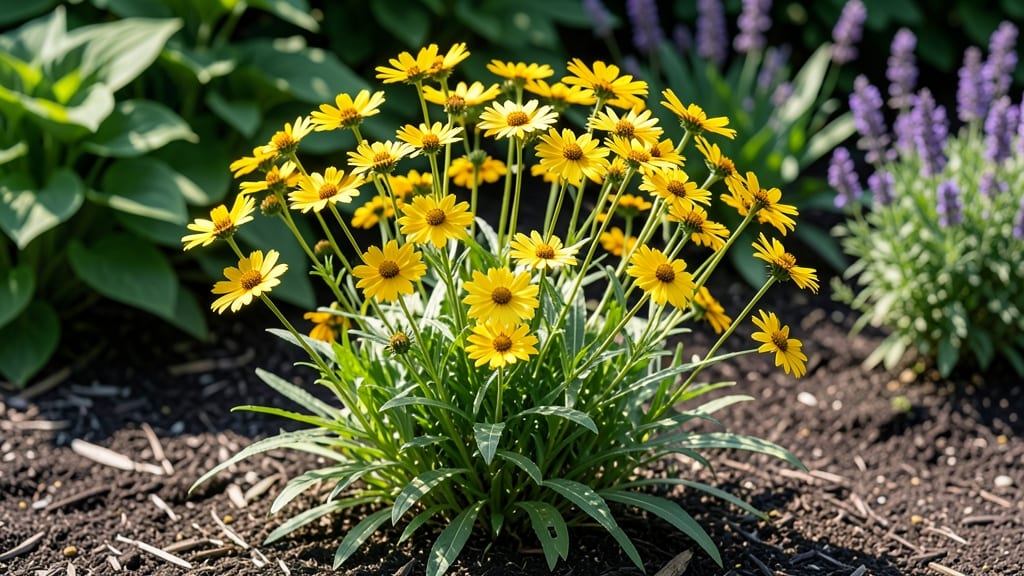
Your summer borders need yellow bloom flowers with that perfect pop of sunshine—especially when paired with unexpected purple spikes. 🌻 I’ve designed gardens where these bright blooms steal the show, creating a contrast that feels both bold and balanced.
The secret lies in choosing varieties that thrive together, like sunflowers with their towering stems or marigolds with their cheerful, low-maintenance energy.
Think beyond just color: texture matters too. Fragrant lavender or purple salvia adds height and scent, while yellow coreopsis or black-eyed Susans bring delicate, airy foliage. These combos work in borders, containers, or even as standalone focal points—no green thumb required.
Just plant them where they’ll get 6+ hours of sun, and watch them transform a space in weeks.
Pollinators will thank you too. Bees and butterflies adore these yellow blooms, especially when they’re grouped with purple or blue companions. A low-maintenance bed of these flowers needs watering just once a week (after they’re established) and minimal deadheading. The result? A garden that feels alive, vibrant, and effortlessly put-together.
For small spaces, try containers with a mix of sunflowers and purple verbena—they’ll spill over edges beautifully. In larger beds, let sunflowers anchor the back while marigolds and coreopsis fill the front. The key is letting them shine together, not competing for attention. Ready to brighten up your summer?
Why Your Flowers Turn Yellow
If your once-vibrant purple blooms are now sporting unsightly yellow patches or streaks, don’t panic! Understanding the root causes behind this color shift can help you restore your garden’s beauty.
Below, we break down the most common reasons why your flowers might be turning yellow—and what you can do about it.
Yellowing in flowers often signals a nutrient deficiency, particularly when it starts at the older leaves and works its way toward the blooms. The most common culprits include:
- Nitrogen (N) deficiency: Leads to pale yellow leaves and stunted growth. Nitrogen is essential for chlorophyll production, so without it, leaves can’t photosynthesize efficiently. Fix it: Apply a balanced fertilizer (10-10-10) or compost-rich soil.
- Magnesium (Mg) deficiency: Causes yellowing between leaf veins (interveinal chlorosis), often in older foliage. Magnesium is critical for chlorophyll function. Fix it: Use Epsom salt (magnesium sulfate) in water every 2–4 weeks.
- Iron (Fe) deficiency: Results in bright yellow leaves with green veins, usually in alkaline soils. Iron is vital for electron transport in photosynthesis. Fix it: Apply chelated iron supplements or adjust soil pH to 6.0–7.0.
💡 Pro Tip: Conduct a soil test to pinpoint exact deficiencies before treating. Over-fertilizing can worsen the problem!
Yellow blooms can also stem from root stress caused by soggy soil. When roots sit in waterlogged conditions, they suffocate, starving the plant of oxygen and nutrients. This often leads to:
- Yellowing leaves that feel slimy or mushy to the touch.
- Slow growth or wilting despite moist soil.
- Foul-smelling soil (a sign of fungal or bacterial rot).
Fix it:
- Check drainage: Ensure pots have drainage holes, and garden beds aren’t compacted.
- Water deeply but less frequently—let the top 1–2 inches of soil dry out between waterings.
- Amend heavy clay soil with perlite or sand to improve aeration.
⚠️ Warning: Yellowing from overwatering often starts at the leaf tips or margins, unlike nutrient deficiencies, which begin at the base.
While flowers need sunlight, intense heat or direct midday sun can scorch delicate petals, causing them to yellow or bleach. This is common in:
- Light-colored or thin-petaled flowers (like some lavender or salvia varieties).
- Plants suddenly moved from shade to full sun.
- Hot, dry climates with no afternoon shade.
Fix it:
- Provide afternoon shade (e.g., sheer curtains, lattice screens, or taller plants nearby).
- Mulch heavily to keep roots cool and retain moisture.
- Water deeply in the early morning to reduce evaporation stress.
🌡️ Heat Hack: Group heat-loving plants (like cosmos or zinnias) together to create a microclimate with shared shade.
Yellowing can also signal an infection, especially if paired with:
- Black or brown spots on petals (common in powdery mildew or septoria leaf spot).
- Sticky residue (honeydew) from aphids or whiteflies, which spread disease.
- Wilting despite moist soil (bacterial wilt or root rot).
Fix it:
- Remove infected blooms and leaves immediately to prevent spread.
- Apply copper fungicide or neem oil for fungal issues.
- Space plants for better airflow—fungi thrive in humid, crowded conditions.
🛡️ Prevention Tip: Water at the base of plants (not overhead) to keep foliage dry.
Sap-sucking pests like aphids, spider mites, or whiteflies drain nutrients from plants, causing yellowing, curling, or stunted growth. Look for:
- Sticky honeydew on leaves.
- Fine webbing (sign of spider mites).
- Distorted or crispy new growth.
Fix it:
- Blast pests off with a strong spray of water.
- Use insecticidal soap or horticultural oil for severe infestations.
- Introduce beneficial predators like ladybugs or lacewings.
🕷️ Early Action: Act fast—pests multiply quickly and can weaken plants before you notice!
Reviving wilted blooms naturally
Reviving your fragrant purple-spiked blooms—especially when they develop unsightly yellowing—is easier than you think! Whether your plants are suffering from nutrient deficiencies, overwatering, pests, or environmental stress, these targeted solutions will help restore their vibrant purple hue and lush growth.
Below, we’ve mapped out practical fixes for common causes, along with prevention tips to keep your flowers thriving for seasons to come.
---
Signs: Yellowing leaves, mushy stems, or a foul smell around the base. Why it happens: Too much moisture suffocates roots, leading to rot and nutrient starvation.
How to fix it: 🔥 Step 1: Pause Watering Immediately Stop adding water until the soil is dry to the touch (about 1–2 inches deep). Let excess moisture evaporate naturally.
🍳 Step 2: Improve Soil Drainage Mix in coarse sand, perlite, or compost to aerate compacted soil. For potted plants, repot into a container with drainage holes if needed.
👨🍳 Step 3: Trim Damaged Roots Gently remove the plant from its pot (or dig it up) and snip away any black, mushy roots with sterilized scissors. Healthy roots should be firm and white.
🥘 Step 4: Repot or Replant Place the plant back in well-draining soil and water lightly only when the top inch feels dry. Use a moisture meter to avoid guesswork.
Prevention tips: ✨ Water deeply but infrequently—aim for 1–2 inches per week (adjust for rain). 🌡️ Use raised beds or containers if your garden soil drains poorly. 🎯 Mulch around the base (2–3 inches of organic mulch) to regulate moisture.
---
Signs: Pale yellow leaves (especially older ones), stunted growth, or weak stems. Why it happens: Purple-spiked blooms thrive in rich, slightly acidic soil (pH 6.0–7.0). Lack of nitrogen, phosphorus, or magnesium causes yellowing.
How to fix it: 🔥 Step 1: Test Your Soil Use a DIY soil test kit (or send a sample to a local extension office) to check pH and nutrient levels. Purple blooms love well-draining, fertile soil.
🍳 Step 2: Amend the Soil - For nitrogen deficiency (yellow lower leaves): Add compost, fish emulsion, or a balanced 10-10-10 fertilizer. - For magnesium deficiency (yellow patches between veins): Sprinkle Epsom salt (1 tablespoon per gallon of water) every 2 weeks. - For phosphorus deficiency (weak blooms): Use bone meal or a phosphorus-rich fertilizer (like 5-10-10).
👨🍳 Step 3: Feed Regularly Apply a slow-release granular fertilizer in early spring and mid-summer. For potted plants, use liquid fertilizer every 4–6 weeks.
Prevention tips: 💡 Top-dress with compost annually to replenish nutrients. 📊 Rotate crops if growing in the same spot yearly—purple blooms deplete soil over time. ✨ Avoid over-fertilizing—this can burn roots and worsen yellowing.
---
Signs: Yellowing leaves with tiny holes, sticky residue (aphid honeydew), or chewed edges. Why it happens: Sap-sucking pests (aphids, spider mites) and chewing insects (caterpillars, slugs) weaken plants, causing yellowing.
How to fix it: 🔥 Step 1: Inspect Leaves & Stems Check undersides of leaves and new growth for pests. Common culprits: - Aphids (tiny green/black bugs in clusters) - Spider mites (fine webbing on leaves) - Slugs/snails (silver slime trails at night)
🍳 Step 2: Remove Pests Manually - Blast off aphids with a strong spray of water. - Handpick slugs at night (use a flashlight!) and drop them in soapy water. - Wipe leaves with a neem oil-soaked cloth (1 tsp neem oil + 1 quart water).
👨🍳 Step 3: Use Natural Repellents - Spray neem oil (1 tbsp per quart of water + a drop of dish soap) weekly. - Introduce beneficial insects: Ladybugs eat aphids; nematodes combat grubs. - Set up beer traps for slugs (bury a shallow dish filled with beer near plants).
Prevention tips: 🌡️ Encourage predator insects by planting marigolds or dill nearby. 🎯 Water in the morning to reduce slug activity (they hide in damp soil). ✨ Prune regularly to improve airflow and deter pests.
---
Signs: Yellowing leaves with brown crispy edges, wilting in heat, or bleached spots. Why it happens: Purple-spiked blooms prefer partial shade (4–6 hours of sun). Full sun in hot climates can scorch leaves.
How to fix it: 🔥 Step 1: Provide Afternoon Shade Use lightweight shade cloth (30–50%) or move potted plants to a spot with dappled sunlight.
🍳 Step 2: Mulch to Retain Moisture Spread 2–3 inches of organic mulch (straw or wood chips) around the base to cool roots and reduce evaporation.
👨🍳 Step 3: Water Deeply in Heatwaves Water early in the morning (before 10 AM) to prevent evaporation. Use drip irrigation to deliver moisture directly to roots.
Prevention tips: 💡 Choose the right location—purple blooms do best in morning sun + afternoon shade. 📊 Group plants together to create a microclimate with shared shade. ✨ Avoid pruning in peak heat—stress plants further by cutting during the hottest part of the day.
--- Signs: Yellowing leaves with blackened tips, stunted growth, or flowers dropping prematurely. Why it happens: Purple-spiked blooms are tender perennials in many climates and suffer from late frosts or strong winds.
How to fix it: 🔥 Step 1: Shelter from Wind Plant near a fence, hedge, or trellis to block harsh winds. Use burlap windbreaks if needed.
🍳 Step 2: Mulch Heavily for Winter In fall, add 4–6 inches of straw or leaves to insulate roots. This helps regulate soil temperature.
👨🍳 Step 3: Cover Young Plants Use frost cloth or row covers on nights below 32°F (0°C). Secure edges with rocks or bricks to prevent wind damage.
Prevention tips: 🌡️ Plant in sheltered spots (e.g., near a south-facing wall). 🎯 Choose cold-hardy varieties if you live in a short-season climate. ✨ Avoid fertilizing late in the season—new growth is more vulnerable to frost.
--- If yellowing persists despite your efforts, prune back affected stems to encourage fresh, healthy growth. Cut just above a leaf node (where new buds form) to redirect energy. This also improves airflow, reducing disease risk.
Remember: Purple-spiked blooms are resilient—with the right care, they’ll bounce back with vibrant purple spikes and intoxicating fragrance. 💜🌸
Frequently asked questions
Which yellow blooms pair best with purple spikes for a summer border?
Sunflowers and marigolds create stunning contrasts with purple salvia or lavender. For a low-maintenance look, try black-eyed Susans or coreopsis—their delicate yellow petals complement purple blooms beautifully while attracting pollinators. Group them in odd-numbered clusters for visual balance.
How do I keep my yellow flowers looking vibrant all summer?
Deadhead spent blooms weekly to encourage new growth, and water deeply once a week (early morning). Use a balanced fertilizer (like 10-10-10) every 6 weeks, and mulch with 2-3 inches of organic material to retain moisture and suppress weeds.
Are there any yellow flowers that thrive in containers?
Geraniums and petunias are perfect for pots—their trailing habits spill beautifully over edges. For height, add sunflowers or zinnias in the center. Choose containers with drainage holes and use a lightweight potting mix to prevent root rot.
Why are my yellow flowers wilting even with plenty of water?
Overwatering or poor drainage often causes wilting. Check if the soil feels soggy—roots need air! Ensure pots have drainage holes and garden beds aren’t compacted. Water only when the top 1-2 inches of soil are dry, and consider adding perlite to improve aeration.
Can I cut yellow blooms for arrangements, and how long will they last?
Most yellow blooms (like sunflowers or daffodils) make excellent cut flowers! Trim stems at an angle and place in cool water with flower food. Change water every 2-3 days—they’ll last 5-7 days in a vase. Remove lower leaves to prevent bacterial growth.