
Blooming
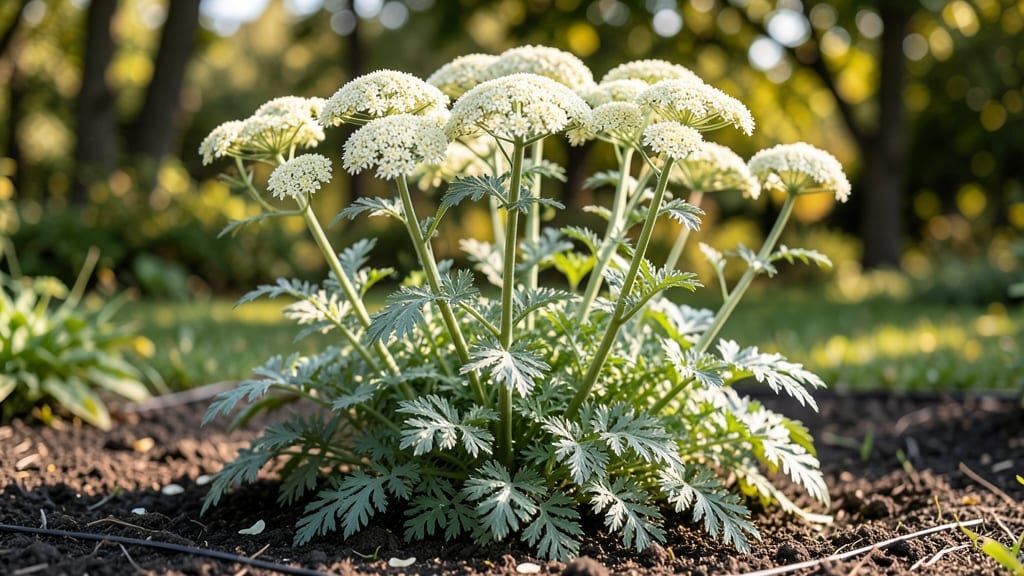
Yarrow blooms typically appear in late spring to early summer, but the exact timing depends on your climate zone and growing conditions.
If you’ve ever waited patiently for those cheerful flat-topped clusters to pop up—only to find your garden still looking bare—you’re not alone. The difference between a 6-week wait and a 12-week wait often comes down to sunlight, soil, and when you planted.
In Zone 6a (like much of the Midwest), yarrow 🌼 usually starts flowering in June, with repeat blooms stretching into September if you prune correctly.
But in warmer Southern zones, the first flowers can appear as early as May, while cooler Northern gardens might not see them until July.
Below, I’ll break down the climate-zone schedule, share pruning tricks to extend your blooms, and even suggest companion plants that thrive alongside yarrow’s long display.
Yarrow bloom time by USDA climate Zone: first flowering schedule
Yarrow (Achillea millefolium) is one of the most reliable bloomers in the garden, but its first flowering schedule shifts dramatically depending on your USDA climate zone.
In cooler northern zones (3-5), expect those flat-topped clusters to appear as early as late May to early June, while southern zones (8-10) may see blooms by March or April. Understanding these patterns helps you plan companion plantings and extend the season with deadheading.
The key factor? Chilling requirements and daylight length. Yarrow in Zone 4 needs 60-90 days of below 40°F temperatures to trigger blooming, while Zone 9 varieties often bloom without dormancy if given consistent sunlight and moisture.
Altitude also plays a role—mountain gardens (5,000+ ft) may see blooms 2-4 weeks later than valley counterparts.
| USDA Zone | First Bloom Window | Peak Bloom | Altitude Adjustment |
|---|---|---|---|
| 3-4 | Late May - Early June | July - August | +2 weeks at 5,000+ ft |
| 5-6 | Early June | July - September | +1-2 weeks at 4,000+ ft |
| 7-8 | April - Mid-May | June - October | -1 week at lower elevations |
| 9-10 | March - April | May - November | Minimal effect |
For gardeners in Zones 3-5, early bloomers like 'Moonshine' (golden) or 'White Beauty' often push blooms forward by 10-14 days compared to standard varieties.
In Zone 7, I’ve seen 'Paprika' (deep red) start flowering as early as late April when planted in south-facing beds with black mulch to absorb heat. The trick? Start seeds indoors 8-10 weeks before your last frost date to jumpstart growth.
Regional variations matter too. In Pacific Northwest Zone 7, yarrow blooms 2-3 weeks later than in Midwest Zone 5 due to cooler springs and higher rainfall. Meanwhile, Desert Southwest Zone 9 gardens may see year-round blooming if watered consistently, though flowers may fade faster in extreme heat.
Always monitor local microclimates—a sunny south slope can trigger blooms 3 weeks early compared to a shady north side.
Altitude delays are real. At 7,000 feet in Zone 5, my 'Coronation Gold' yarrow bloomed June 15 instead of the expected June 1. To compensate, I plant early varieties and use row covers in spring to warm the soil faster.
In Zone 8, the opposite happens—lower elevations near coastlines may bloom 2 weeks earlier due to milder winters and longer daylight in summer.
Pro tip: Track your yarrow’s blooming for 3 years to spot patterns. Note first bud appearance, peak bloom, and last flower dates. Over time, you’ll predict with near-perfect accuracy when to deadhead for repeat blooms or harvest for bouquets.
For example, in Zone 6, I deadhead 'Red Beauty' in early July to trigger a second flush by August.
Don’t overlook soil temperature—yarrow roots need 55°F+ soil to trigger blooming. In Zone 4, I plant in raised beds filled with compost and sand to warm up faster than heavy clay.
Pair this with early pruning (cutting back 1/3 of stems in late winter) to encourage stronger early blooms. The result? First flowers by June 1 instead of July.
For extended blooming, focus on Zone 9-10 varieties like 'Terracotta' or 'Summer Wine'. These heat-loving types often rebloom after deadheading until first frost. In cooler zones, cut back spent blooms in
How to extend yarrow bloom time: pruning & deadheading techniques
Yarrow (Achillea millefolium) thrives on attention, and the key to prolonged blooms lies in timely pruning and deadheading. Unlike many perennials, yarrow responds beautifully to light pruning, rewarding you with repeat flowering from early summer through fall.
The trick? Remove spent blooms before they seed—this redirects the plant’s energy toward new growth instead of seed production.
Start by understanding your yarrow’s growth cycle. Most varieties bloom in late spring to early summer, but with proper care, they’ll produce secondary flushes later in the season.
The first flush is your cue to begin deadheading, while late-summer pruning prepares the plant for a fall rebloom. Let’s break it down into clear, actionable steps to maximize your yarrow’s display.
- 1 Deadhead spent blooms immediately after the first flush (late spring/early summer). Use clean pruners or fingers to pinch off faded flower clusters down to the first set of healthy leaves. This prevents seed formation and encourages new side shoots.
- 2 First summer pruning (mid-July): Cut back 1/3 of the plant’s height to encourage bushier growth. This step is crucial for stimulating fall blooms and prevents the plant from becoming leggy or woody. Avoid pruning after mid-August to allow new growth time to harden off before frost.
- 3 Deadhead fall blooms as they fade in late summer/early fall. Unlike spring, focus on removing only the spent flowers—avoid heavy pruning, as this can reduce winter hardiness. Use sharp shears to cut just above the next set of leaves to maintain a tidy appearance.
- 4 Late-season cleanup (October): Remove any remaining flower stems but leave the foliage intact to protect the crown from frost. Mulch lightly with 2-3 inches of straw or leaves to insulate roots during winter. This prepares the plant for early spring regrowth.
- 5 Fertilize lightly after first pruning (early summer) with a balanced 10-10-10 fertilizer to support new growth and blooms. Avoid high-nitrogen feeds, which promote leafy growth at the expense of flowers. Water deeply after fertilizing to prevent root burn.
Don’t overlook the tools you use—dull pruners can crush stems and invite disease. Always sterilize tools with rubbing alcohol between cuts to prevent the spread of powdery mildew, a common yarrow issue.
For large clumps, divide every 3-4 years in early spring to rejuvenate growth and prevent overcrowding, which can shorten bloom time.
One of my biggest mistakes was skipping the mid-summer pruning—my yarrow produced fewer fall blooms and looked ragged by September. Since then, I’ve made it a non-negotiable task and seen 3-4 weeks of extra blooms each season.
Pair these techniques with well-draining soil and full sun exposure, and your yarrow will reward you with vibrant color from June through October.
For container-grown yarrow, deadhead weekly to prevent seed pods from taking over the pot. Smaller pots may need more frequent pruning due to limited space, but the same principles apply.
If you’re growing yarrow in shadier conditions, expect fewer blooms—this hardy plant demands sunlight for its best performance.