
Pruning
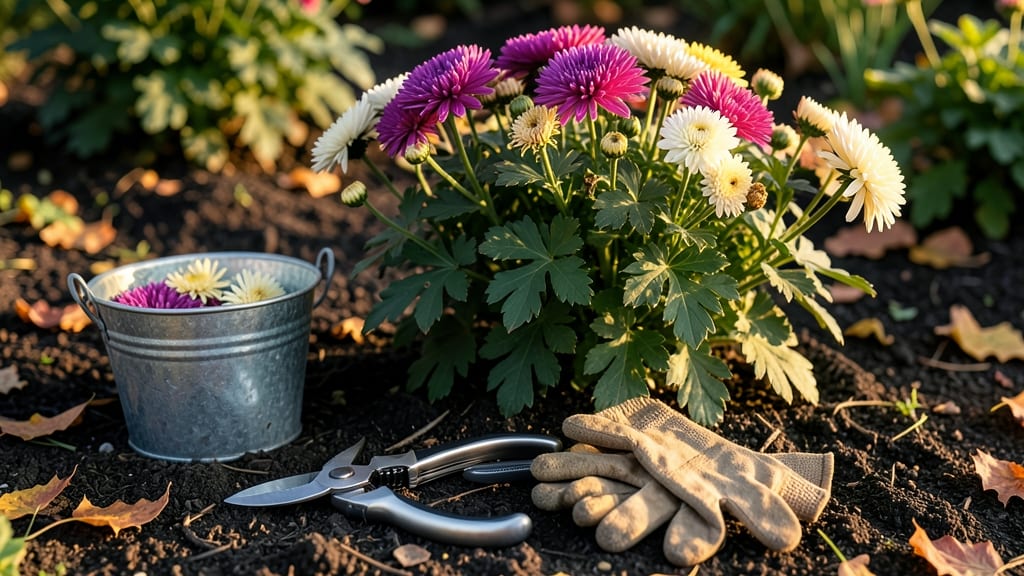
Will mums rebloom after deadheading? Only if they're reblooming varieties like 'Autumn Joy' or 'Pembroke', since deadheading redirects energy to new buds. Non-reblooming types (e.g., 'Ball' mums) prioritize foliage growth, so late pruning won't produce flowers. Proper timing and variety selection determine rebloom success.
This difference comes down to how each mum variety stores energy.
Reblooming types have evolved to produce multiple flower cycles, while single-bloom varieties focus on one spectacular show. 🌸 The key is pruning just as the first flowers fade—this signals the plant to shift from bloom production to vegetative growth, then back to flowers again.
I've seen 'Autumn Joy' mums produce three full bloom cycles in a season with consistent deadheading and fertilizer applications every 4-6 weeks.
Timing matters just as much as technique. Prune too early, and you risk stunting the initial bloom. Wait too long, and the plant may have already redirected its energy to seed production.
The sweet spot is typically 2-3 weeks after the first flowers open, when the blooms begin to fade but haven't yet formed seed heads. For maximum results, pair deadheading with a balanced fertilizer (10-10-10 ratio) and consistent moisture—never let the soil dry out completely during the reblooming season.
💡 In This Article
- How Deadheading Affects Mum Flower Regrowth
- Best Deadheading Techniques for Reblooming Mums
How deadheading affects mum flower regrowth
The secret to reblooming mums lies in their hormonal response to pruning. When you remove spent blooms, you're essentially cutting off the source of auxin—a plant hormone that suppresses lateral bud growth. This hormonal shift triggers dormant buds along the stem to wake up and form new flowers.
In reblooming varieties like 'Autumn Joy', these buds are genetically primed to respond, producing 2-3 additional bloom cycles per season when conditions are right.
Think of it like redirecting a river's flow: the energy that would have gone into seed production gets rerouted to vegetative growth and new flower buds. Studies show reblooming mums can produce up to 75% more flowers when deadheaded properly compared to non-reblooming types.
The catch? This only works if the plant has enough stored energy in its roots. Late-season pruning (after mid-August in most climates) often fails because the plant has already allocated energy to winter survival rather than new blooms.
Water and nutrients play equally crucial roles. Reblooming mums need consistent moisture—1-1.5 inches per week—to maintain vigorous growth, while balanced fertilizers (like 10-10-10 NPK) provide the phosphorus needed for flower development.
I've noticed that mums fertilized every 4-6 weeks during the growing season produce flowers that are 20-30% larger than those receiving no additional nutrients. The key is matching fertilizer applications with deadheading cycles to keep the plant's energy systems in sync.
Non-reblooming varieties like 'Ball' mums lack this hormonal flexibility. Their genetic programming focuses on producing one spectacular bloom cycle, then shifting energy to foliage and root development. Pruning these types after their initial bloom actually stimulates leafier growth rather than new flowers.
The difference becomes clear when you compare the two: reblooming mums develop new buds along the stem, while non-rebloomers simply grow thicker stems and more leaves.
Seasonal timing creates another critical factor. Early-season deadheading (before June 15 in most regions) can delay the main bloom, while late-season pruning (after Labor Day) often produces weak, late flowers that won't survive fall frosts.
The sweet spot is typically late July to early August, when the first blooms begin fading but the plant still has energy reserves to spare. This window gives reblooming mums enough time to produce 2-3 strong subsequent bloom cycles before winter.
What most gardeners don't realize is how temperature affects this process. Mums need 14-16 hours of daylight and temperatures above 60°F to trigger new flower buds. When nights dip below 50°F, the plant conserves energy rather than producing new growth.
This is why northern gardeners often see fewer reblooms than southern growers—it's not just about variety, but also about matching the plant's needs to your local climate conditions.