
Blooming
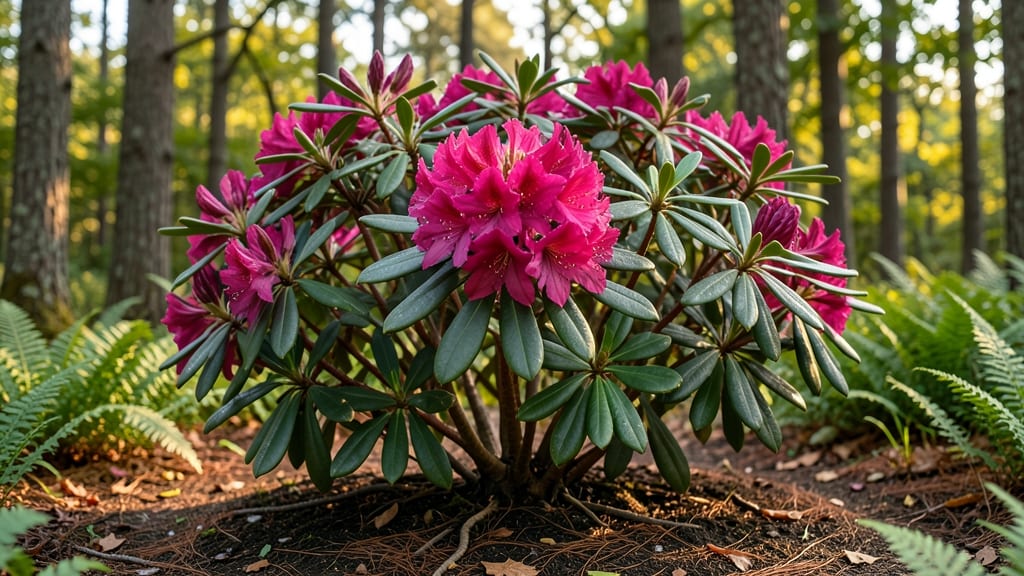
Rhododendrons in West Virginia bloom between late April and early June, with timing shifting based on elevation and specific varieties—lower areas may see flowers as early as mid-April, while mountain regions typically peak in May.
West Virginia's diverse geography creates distinct bloom windows for these iconic shrubs.
The state's lower elevations, like those in the Charleston or Morgantown areas, often experience earlier blooms due to warmer microclimates, while the cooler highlands near Spruce Knob can delay flowering by up to two weeks. 🌸 What's fascinating is how local varieties adapt—some, like the hardy 'PJM' rhododendron, may even push blooms into early July in cooler years, while others like 'Catawbiense' tend to follow the traditional late spring schedule more closely.
Understanding these patterns helps gardeners plan their landscapes effectively. For instance, pairing early-blooming varieties with late-spring options creates continuous color from April through June, making your property stand out during West Virginia's peak gardening season. The key is selecting varieties that match your specific elevation and sunlight conditions.
💡 In This Article
- Factors Affecting Rhododendron Blooming Seasons in WV
- Best Rhododendron Varieties for West Virginia Gardens
Factors affecting rhododendron blooming seasons in WV
West Virginia's dramatic elevation changes—from the lowland valleys to the 4,863-foot peaks of Spruce Knob—create distinct bloom windows for rhododendrons. The primary driver is chilling hours, which these shrubs require to trigger flowering. Most varieties need 800-1,200 hours below 45°F during winter, a threshold West Virginia typically meets.
However, higher elevations often accumulate these hours earlier due to colder nights, while lower areas may experience warmer winter nights that reduce chilling accumulation.
Spring temperature trends further refine bloom timing. Warmer lowland areas like the Kanawha Valley may see buds open as early as mid-April when daytime highs reach 60-65°F consistently. In contrast, mountain regions near 3,000 feet elevation often wait until late May when stable 55-60°F temperatures arrive.
Microclimates matter too—south-facing slopes warm faster than north-facing ones, potentially advancing blooms by 1-2 weeks in sheltered locations. 🌿
Soil moisture plays a surprising role too. Rhododendrons thrive in acidic, well-draining soils with consistent moisture. In West Virginia's drier spring periods, plants at 2,500 feet elevation may delay blooming until adequate rainfall returns.
I've noticed that years with below-average spring precipitation (like 2020) can push mountain blooms into early June, while wetter springs see earlier flowering. This moisture sensitivity explains why rhododendrons in shaded, humid ravines often bloom 10-14 days earlier than those in exposed hilltop locations.
Another critical factor is the specific variety's genetic programming. Some rhododendrons, like the 'Nova Zembla' with its deep purple blooms, are bred for earlier spring flowering, while others like 'Roseum Elegans' prioritize late-season blooms.
West Virginia's climate actually favors certain varieties—those with moderate chilling requirements (900-1,100 hours) and tolerance for brief summer heatwaves perform best. The state's USDA Hardiness Zones 4-6 create ideal conditions for these medium-chill varieties.
What most gardeners don't realize is how bud formation begins the previous summer. Healthy plants that receive full sun to partial shade and proper fertilization develop stronger flower buds during the growing season.
In West Virginia, this means providing organic matter-rich soil and consistent watering during July-August—critical months for next year's blooms. I've seen firsthand how plants receiving 2 inches of water weekly during this period produce 30-50% more blooms the following spring. 💧
Finally, consider West Virginia's Appalachian weather patterns. The region's frequent cold snaps in April can delay blooming, while sudden warm spells can trigger premature opening—making these flowers vulnerable to late frosts.
This is why experienced gardeners in the New River Gorge area often wait until May 15th to plant nearby rhododendron companions, ensuring synchronized blooming periods. The interplay of these factors creates the beautiful, staggered blooming displays that make West Virginia's spring gardens so spectacular.