
Blooming
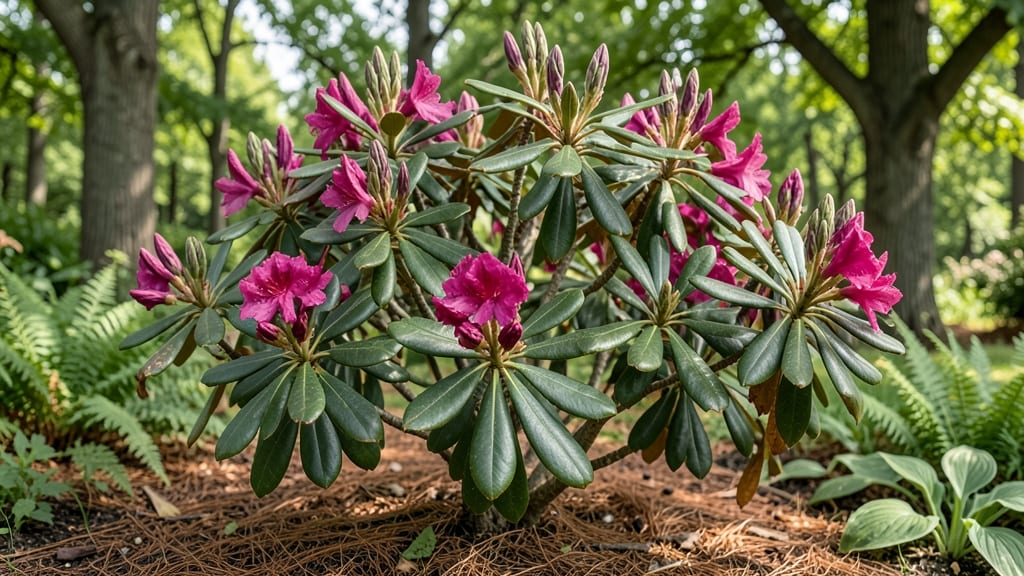
Rhododendrons in North Carolina bloom between late March and early May, with peak color lasting 3-4 weeks depending on your zone and variety.
If you’ve ever wondered why your neighbor’s rhododendrons 🌸 are already in full bloom while yours are still dormant—or why some years they seem to burst into color earlier than others—the answer lies in your local microclimate and the specific variety you’ve planted.
In the cooler mountains (Zone 6b), blooms often kick off in late April, while lower elevations in Zone 8a may see flowers as early as mid-March. Early bloomers like ‘Catawba’ can start showing color in March, while late varieties like ‘Nova Zembla’ might not peak until May.
Below, I’ll break down the exact timing by zone, how to spot blooming stages, and simple care tips to keep your rhododendrons looking their best year after year.
North Carolina rhododendron blooming seasons by USDA hardiness zone
North Carolina’s diverse climate creates a stunning mosaic of rhododendron blooms, with timing varying dramatically across USDA zones 5b through 8a.
In cooler mountain regions like zone 5b-6a, buds often unfurl as early as late March, while coastal areas in zone 8a may see peak blooms stretching into May. Understanding these patterns helps you select varieties that align with your local frost dates and microclimates.
Elevation plays a critical role—rhododendrons in the Blue Ridge Mountains (zones 6b-7a) typically bloom 2-3 weeks earlier than those in the Piedmont (zone 7b) or coastal plains (zone 8a). Last frost dates also shift dramatically: March 15 in the mountains vs. April 1 in the Piedmont.
These variations mean your ‘Catawba’ rhododendron might burst into pink in late April in zone 7a, while a ‘Nova Zembla’ in zone 8a could still be budding in early May.
| USDA Zone | Avg. Peak Bloom | Early Varieties | Late Varieties | Key Influences |
|---|---|---|---|---|
| 5b-6a (Mountains) | Late March-Early April | ‘PJM’, ‘Catawba’ | ‘Roseum Elegans’ | High elevation, cooler temps |
| 6b-7a (Piedmont) | Mid-April | ‘Birkwith’, ‘Carolina Blush’ | ‘Nova Zembla’ | Moderate frost risk |
| 7b-8a (Coastal) | Late April-May | ‘Elizabeth’, ‘Girard’s Pink’ | ‘Loderi Imperial’ | Warmer microclimates |
Microclimates can shift bloom times by 1-2 weeks. A north-facing slope in zone 7a might see rhododendrons bloom 10 days earlier than a south-facing yard just a mile away. Similarly, urban areas with heat island effects may experience delayed blooms due to warmer overnight temperatures.
Pay attention to your garden’s specific conditions—shade patterns, wind exposure, and soil moisture all play roles.
For gardeners planning sequential color displays, pairing early bloomers like ‘PJM’ (zone 5b-7a) with late varieties such as ‘Loderi Imperial’ (zone 7b-8a) creates a 6-week bloom window. Start by noting your average last frost date—most rhododendrons need 2-3 weeks of consistent temperatures above 40°F to trigger bud opening.
In zone 6b, this typically means waiting until mid-April.
Elevation also affects bloom duration. High-altitude rhododendrons in zone 5b often produce shorter, more intense blooms (2-3 weeks) due to cooler temperatures, while coastal varieties in zone 8a may linger for 4-5 weeks.
If you’re in a transitional zone like 7a, consider ‘Carolina Blush’, which thrives in both Piedmont and mountain microclimates, offering bright pink blooms from late April to early June.
Last frost dates are your best predictor of bloom timing. In zone 6b, rhododendrons often begin budding by March 20 but won’t fully open until after April 10.
Use a local frost calendar to time your plantings—bare-root rhododendrons should be in the ground 6-8 weeks before your average last frost to establish roots before spring growth begins. For container-grown plants, wait until 2 weeks after your last frost date.
Soil acidity (pH 4.5-6.0) and moisture levels further refine bloom timing. Well-drained, organic-rich soil encourages earlier and more abundant blooms. In zone 8a, where summers are hotter, mulching with pine needles helps retain moisture and extends the bloom period.
Avoid over-fertilizing with high-nitrogen mixes—this can delay flowering as the plant focuses on foliage growth instead of bud development.
If your rhododendrons bloom later than expected, check for poor drainage, compacted soil, or insufficient winter chilling (below 40°F for 500+ hours).
In zone 7b, where winters are milder, some varieties may need artificial chilling (e.g., moving containers to a cooler garage in late fall) to trigger consistent blooming. For coastal gardeners in zone 8a, choose heat-tolerant varieties like ‘Elizabeth’, which handles warmer springs better than traditional mountain cultivars.
Plan your garden layout around these timelines. Place early bloomers near patios or entryways to enjoy their fragrance first, then layer in mid- and late-season varieties for continuous color.
In zone 6b, a ‘PJM’ rhododendron paired with a ‘Nova Zembla’ creates a month-long floral display from late April to early June. For zone 8a
Top 5 rhododendron varieties in NC and their ideal blooming windows
North Carolina’s diverse climate zones create the perfect stage for rhododendrons to shine, but not all varieties bloom at the same time. If you want a spring garden that stays vibrant from early March through June, selecting the right cultivars is key.
The top 5 rhododendron varieties in NC offer a stunning progression of colors and fragrances, ensuring your landscape never looks bare. Let’s dive into their ideal blooming windows and how to pair them for maximum impact.
First up are early bloomers, like the ‘Catawba’ rhododendron, which typically bursts into deep purple flowers as early as late February to March in warmer microclimates. This variety thrives in USDA zones 5b-7a, making it ideal for the mountains and Piedmont regions.
Pair it with ‘Birkwith’, a mid-season bloomer with pink and white flowers that peak in April to early May, creating a seamless transition of colors. Both varieties are fragrant and attract pollinators early in the season.
🌸
For late-season drama, nothing beats ‘Nova Zembla’, a hardy hybrid with vibrant pink blooms that peak in May to June. This variety is perfect for cooler mountain regions (zones 4b-6a) and often reblooms lightly in fall, adding extra value.
To extend your blooming season even further, consider ‘PJM’, a classic white rhododendron that blooms in late April to May and is highly fragrant, making it a favorite for cut flowers.
Finally, ‘Elizabeth’ offers deep magenta blooms in mid-May to June, providing a striking contrast to lighter varieties.
Pairing these varieties strategically ensures your garden stays colorful from February through June. For example, plant ‘Catawba’ near a south-facing wall to catch early sunlight, while ‘Nova Zembla’ thrives in partial shade under taller trees.
Always mulch heavily in winter to protect roots, and avoid pruning until after blooming to preserve next year’s flowers. With the right mix, your rhododendrons will create a year-round spectacle that neighbors will envy.
🌿
Pro tip: Monitor your local last frost date—rhododendrons can suffer damage if blooms appear before cold snaps. In zone 7a and warmer, early bloomers like ‘Catawba’ may start as early as February, while in zone 5b, wait until mid-April for safer blooming.
Adjust your planting plan based on your microclimate to avoid disappointment. With these top 5 varieties, your NC garden will be a rhododendron lover’s paradise!