
Blooming
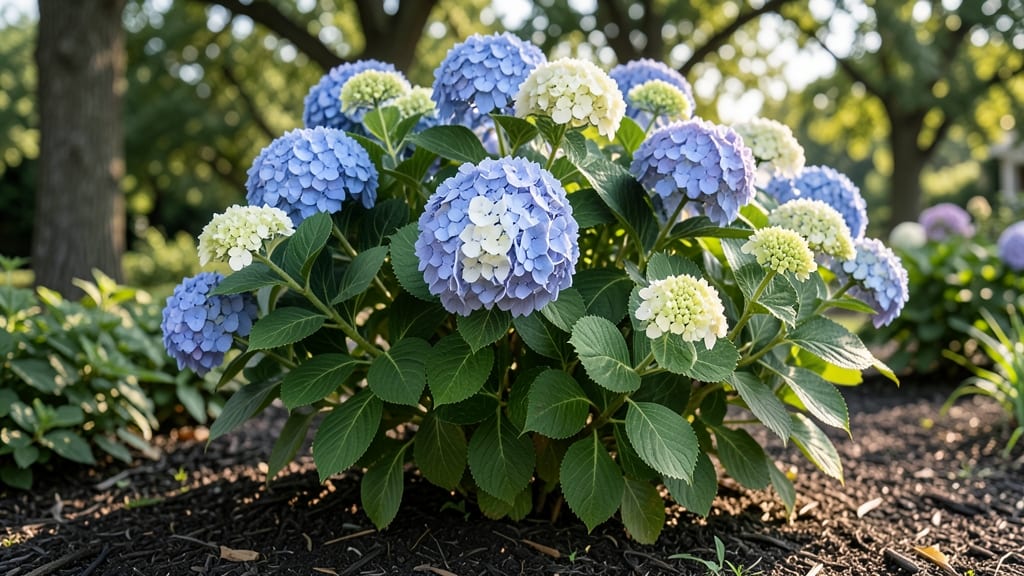
Hydrangeas in Wisconsin typically bloom between June and August, but the exact timing depends on your zone and the variety you’ve planted 🌸.
Wisconsin gardeners eagerly await the vibrant splash of hydrangeas—but timing is everything. Knowing exactly when these showstopping blooms appear in your specific zone can mean the difference between a stunning summer display and missed color.
In Zone 4b, where frosts linger longer, expect blooms to start in late June, while Zone 6a gardeners might see flowers as early as May. Varieties like 'Endless Summer' often bloom a bit earlier, while oakleaf hydrangeas may wait until July.
Below, I’ll break down the bloom timeline by zone, share tips for extending your hydrangea season, and help you avoid common mistakes that cut blooms short.
Wisconsin hydrangea bloom timeline by USDA hardiness zones (4-6)
Wisconsin’s cool summers and variable frost dates create a unique hydrangea bloom schedule. In Zone 4, blooms arrive later, while Zone 6 enjoys earlier and longer displays. Understanding these patterns helps you choose the right varieties for your yard and maximize summer color.
Most hydrangeas bloom on new wood (current season’s growth), like 'Endless Summer', or old wood (last year’s stems), such as 'Nikko Blue'. New wood bloomers often rebloom, while old wood types typically flower once per season. Wisconsin’s late spring frosts can delay blooming, especially in northern zones.
Here’s a zone-by-zone breakdown of when to expect hydrangea blooms, including popular varieties and their typical bloom windows:
In Zone 4, hydrangeas often bloom 2-3 weeks later than in Zone 6 due to cooler temperatures. For example, 'Endless Summer' in northern Wisconsin might not peak until late July, while in southern Wisconsin, it could start as early as mid-June.
Planting heat-tolerant varieties like 'Limelight' or 'Annabelle' helps extend the bloom season in hotter microclimates.
For old wood bloomers like 'Nikko Blue', timing is critical. These varieties set buds the previous summer, so a late frost in May can damage emerging blooms. If you’re in Zone 4 or 5, consider adding row covers or choosing new wood rebloomers for more reliable color.
Wisconsin’s variable rainfall also plays a role. Too much rain can dilute bloom intensity, while drought stress may cause buds to drop. Mulching around the base of your hydrangeas helps retain moisture and regulate soil temperature, especially during Wisconsin’s unpredictable spring weather.
To extend your hydrangea season, pair early bloomers like 'Nikko Blue' with late-season varieties like 'Little Lime'. This creates a continuous color display from June through September.
For example, in Zone 5, you might see 'Nikko Blue' fade by early August, just as 'Little Lime' begins its peak.
If you’re new to hydrangeas, start with 'Endless Summer'—it’s a reblooming bigleaf that thrives in Wisconsin’s climate. This variety forgives pruning mistakes and adapts well to partial shade, common in many Wisconsin yards.
For a bold statement, try 'Annabelle' in Zone 6, where it can reach 6 feet tall with massive white blooms.
Remember, hydrangeas love consistent moisture. In Wisconsin’s dry summers, deep watering once a week keeps blooms vibrant. Use a soaker
How Wisconsin’s climate affects hydrangea blooming (frost, heat, and rain impact)
Wisconsin’s unpredictable climate—especially its late spring frosts—can dramatically shift when your hydrangeas bloom. In northern zones like 4b-5a, those cold snaps in May often delay flowering by 2-3 weeks compared to southern WI. Even after buds form, a single 28°F night can blacken tender blooms overnight.
Heat waves bring their own challenges. When temperatures climb above 85°F for weeks, hydrangeas drop buds prematurely or develop bleached, splotchy flowers. This is especially true for bigleaf varieties like 'Nikko Blue,' which thrive in cooler conditions.
Southern WI gardeners in zone 6a often see shorter bloom seasons because of this heat stress.
Rainfall plays a surprising role too. While hydrangeas love moisture, excessive rain can dilute soil nutrients and weaken stems, reducing bloom size. In Milwaukee and Madison, where summer downpours are common, I’ve seen flower heads shrink by 30-40% compared to drier years.
Northern WI (zones 4b-5a) typically sees last frosts around May 15, but 30% of years experience delays until June 1. Plant late-blooming varieties like 'Limelight' or 'Endless Summer' to hedge your bets—these rebloom even if early buds freeze.
To combat heat stress, I recommend mulching heavily with 3-4 inches of shredded bark. This keeps roots 5-10°F cooler during peak summer. For rain-heavy areas, I’ve had success with elevated beds—they improve drainage while maintaining moisture for those lush blooms.
One trick I’ve used in zone 5b is to plant panicle hydrangeas like 'Little Lime' near patios. Their heat tolerance means they bloom later and longer, often lasting into October when other varieties fade by September.
For all WI gardeners, the key is adjusting expectations based on your microclimate. Northern gardens may see June-July blooms, while southern WI enjoys May-September displays. Track your local frost dates and choose varieties that match your climate’s quirks.