
Blooming
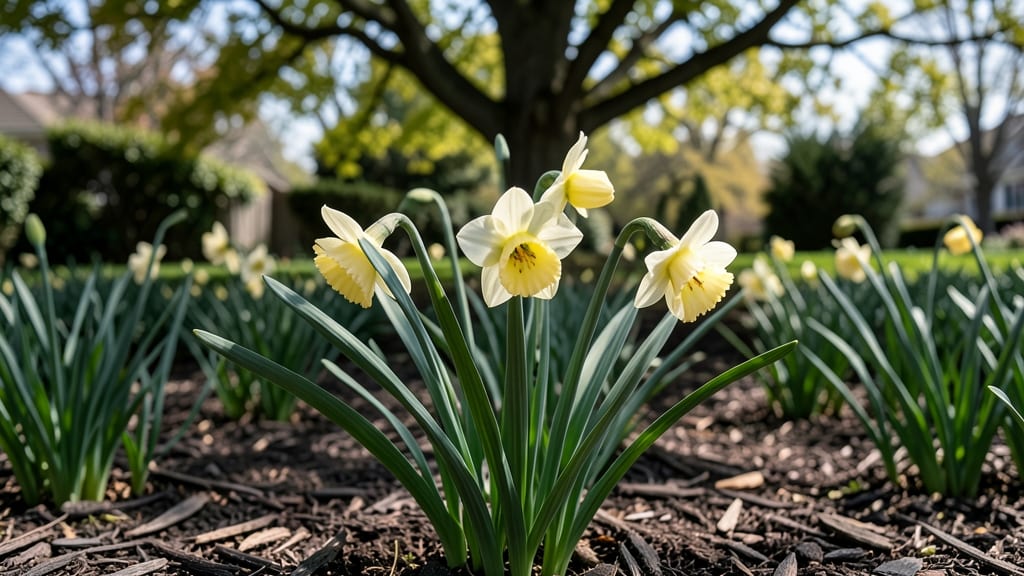
Daffodils in Massachusetts bloom between late February and early April 🌼, but the exact timing depends on chill hours, soil warmth, and your hardiness zone.
Massachusetts gardeners know the thrill of daffodils pushing through snow—these cheerful blooms are nature’s first sign that spring is coming. But their bloom timing varies wildly across the state’s hardiness zones, and getting it right means understanding chill hours, soil temperatures, and regional microclimates.
In Zone 5b (western MA), expect blooms as early as late February, while Zone 6b (eastern MA) typically sees flowers in early April. The difference? A few extra weeks of winter chill and slightly warmer soil in the east.
Below, I’ll break down the chill-hour requirements that trigger blooming, how to adjust planting for early or late flowers, and why some years your daffodils might surprise you with an early or delayed show.
Massachusetts daffodil bloom timeline by hardiness Zone (6a vs 7a vs 7b)
Massachusetts gardeners know that daffodils are the harbingers of spring, but their bloom timing can vary dramatically depending on your hardiness zone. In Zone 6a, the coldest areas like the Berkshires and North Shore, daffodils often push through snow in late February to early March.
Meanwhile, in Zone 7a (Central MA) and Zone 7b (South Coast), blooms typically arrive 2-3 weeks earlier, starting in mid-February. Understanding these differences helps you choose the right varieties for your garden.
Daffodil blooming is triggered by a combination of chill hours (32-45°F) and soil temperature rising above 50°F. Most varieties need 12-16 weeks of cold dormancy, but early bloomers like 'February Gold' can start emerging after just 8-10 weeks of chill.
Late varieties, such as 'Ice Follies', may wait until late March or early April in cooler zones.
The table below breaks down the expected bloom windows for Massachusetts' three key zones, including early, mid-season, and late varieties. This helps you plan your garden layout and companion plantings for maximum impact. For example, pairing early bloomers with tulips ensures continuous color from February through April.
In Zone 6a, where winters are longer and colder, daffodils often bloom 2-4 weeks later than in Zone 7b. For example, 'February Gold' might emerge in late February in the Berkshires but could appear as early as mid-February in Zone 7b.
This delay is due to the need for more chill hours and slower soil warming in northern regions.
Microclimates also play a role. Gardens near large bodies of water, like Cape Cod or Martha's Vineyard, may experience earlier blooms due to moderating ocean temperatures. Conversely, inland areas like Worcester or Springfield can see delayed blooming by 1-2 weeks compared to coastal zones.
Pay attention to your specific location's frost dates and historical bloom records.
If you're planting daffodils for early spring color, consider mixing varieties with different bloom times. For instance, 'Christmas Present' (early) paired with 'Ice Follies' (late) will give you 6-8 weeks of continuous blooms.
This strategy works especially well in Zone 7a and 7b, where the bloom window is wider. In Zone 6a, focus on mid-to-late season varieties to avoid frost damage.
Soil preparation is key to timing blooms correctly. Amend your garden beds with compost in the fall to improve drainage, which helps roots warm up faster in spring. Avoid heavy soils that retain cold, as this can delay blooming by 10 days or more.
In Zone 6a, consider adding a thick layer of mulch (3-4 inches) in late fall to protect bulbs from extreme cold and encourage earlier emergence.
Keep an eye on soil temperature in late winter. When it consistently reaches 50°F for 3-5 days, most daffodils will begin pushing through the soil. In Zone 7b, this often happens by mid-February, while Zone 6a may not see this until early March.
Use a soil thermometer to track progress and predict bloom times more accurately.
For gardeners eager to see daffodils earlier, plant bulbs in containers or raised beds. These warm up faster than in-ground soil, potentially advancing bloom times by 1-2 weeks. Just be prepared to move containers indoors if a late frost threatens. In Zone 7
How chill hours and soil temperature trigger daffodil blooming in MA
Daffodils in Massachusetts don’t just bloom—they perform a seasonal dance triggered by two key factors: chill hours and soil warmth. These perennial bulbs need a precise balance of cold dormancy followed by gentle heat to wake up.
Without this natural cue, they might skip blooming entirely or push flowers weeks early. Understanding this process helps you predict—and even influence—when your yellow trumpets will light up your garden.
Most daffodil varieties require between 600 and 1,000 chill hours below 45°F to break dormancy. In Massachusetts’ USDA Zones 5b-7a, this typically happens between November and February.
However, soil temperature plays an equally critical role: once daytime highs consistently reach 50°F+, the bulbs receive the final signal to sprout. This explains why some years daffodils emerge in late January (like in Zone 6a), while others wait until April (common in Zone 7b microclimates).
600–1,000 chill hours below 45°F required for dormancy break
Most Narcissus varieties need 600+ hours of cold to trigger flowering. In Western MA (Zone 5b), this happens by January, while Cape Cod (Zone 7a) may wait until February.
Soil must warm to 50°F+ for sprouting
Once chill hours are met, root growth waits for soil to reach 50°F. In Boston (Zone 6a), this often aligns with late March, but early bloomers like 'February Gold' may push through snow in February if soil warms faster.
Microclimates shift bloom dates by 2–4 weeks
A south-facing slope in Plymouth may bloom 3 weeks earlier than a shady valley in Northampton. Urban heat islands (like Boston) can also advance blooms by 10–14 days compared to rural areas.
If your daffodils bloom weeks late, it’s often due to insufficient chill hours. For example, a mild winter in 2023 left some Zone 6a gardens with bulbs that never triggered.
Conversely, early bloomers like 'Ice Follies' might emerge in January if soil warms prematurely due to unseasonable warmth or mulch insulation. To troubleshoot, track your local chill hours using a minimum-maximum thermometer buried in the soil.
Pro tip: Plant early bloomers (like 'Tête-à-Tête') in full sun and late bloomers (like 'Thalia') in partial shade to stagger your spring color show. This way, you’ll enjoy cheerful blooms from February through April, regardless of unpredictable weather. 🌼