
Blooming
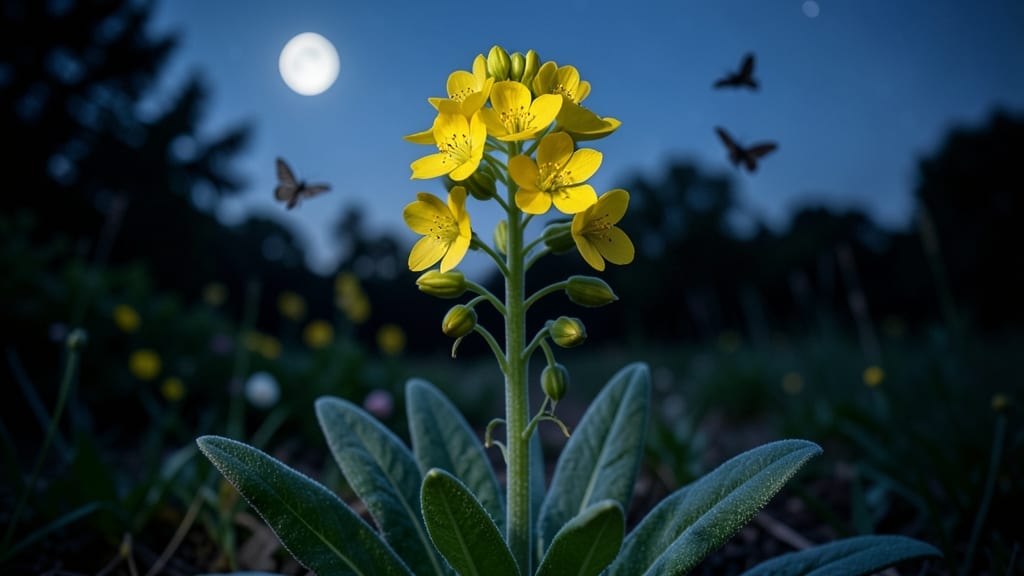
Discover the enchanting world of night-blooming flowers, where fragrant blooms reveal their secrets only after sunset. These rare plants attract nocturnal pollinators and add magical beauty to gardens when most flowers sleep.
Moonflower Vine with Star-Shaped White Petals
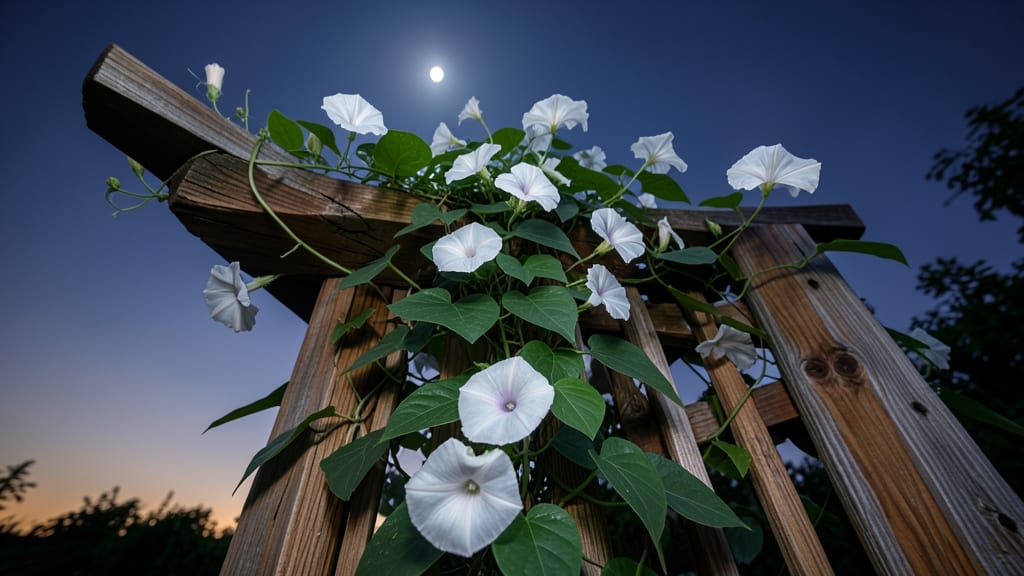
Imagine stepping into your garden as the sun sets and being greeted by a cascade of star-shaped white blooms that glow softly in the moonlight. The moonflower vine (Ipomoea alba) is a fast-growing annual that transforms your trellis into a nocturnal wonderland, its delicate petals unfurling only after dusk to reveal a yellow-centered heart that attracts moths with its intoxicating, sweet fragrance.
This drought-tolerant vine thrives in full sun to partial shade and grows rapidly, reaching heights of 10–15 feet in just one season. Plant seeds directly in the garden after the last frost, spacing them 12 inches apart for optimal airflow. The vine’s twining habit makes it perfect for arbors, pergolas, or fences, while its self-cleaning blooms (which wilt by morning) ensure minimal maintenance. For best results, provide well-draining soil and water moderately—overwatering can lead to mildew.
Perfect for gardeners who love low-maintenance drama, the moonflower vine is especially magical in moon gardens or near outdoor seating areas. Its nocturnal beauty makes it a favorite among pollinators like hummingbird moths, while its fragrant blooms create an enchanting evening atmosphere. 🌟
Queen of the Night Cactus with Fragrant Pink Flowers
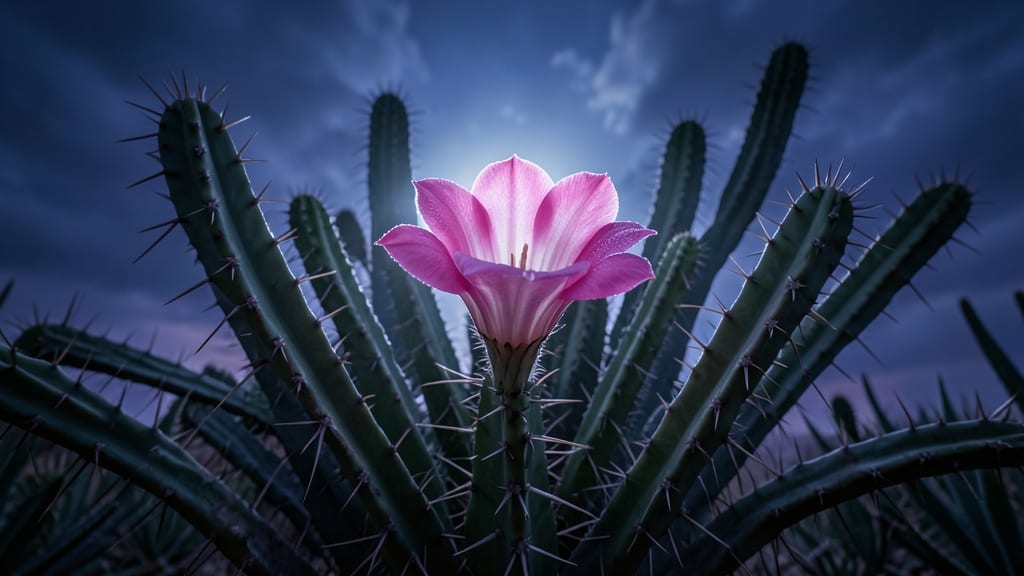
If you've ever dreamed of a garden that comes alive after dark, the Queen of the Night cactus (Selenicereus grandiflorus) delivers a once-in-a-lifetime spectacle. This epiphytic cactus produces a single, vibrant pink bloom that unfurls precisely at night—opening around 8 PM and lasting just 24 hours before wilting by dawn.
Native to Central and South America, this dramatic plant thrives in well-draining soil and bright, indirect light, making it perfect for containers or desert landscapes. The jasmine-like fragrance it releases after sunset will draw you outside to witness its fleeting beauty—ideal for moonlit garden parties or romantic evenings. Water sparingly (only when soil is completely dry) to mimic its arid habitat.
Best for patience-focused gardeners or those with desert-inspired spaces, this cactus rewards you with a rare, ethereal experience you won’t find in daytime blooms. Just don’t miss its one-night show! ✨
Evening Primrose with Yellow Cup-Shaped Blooms
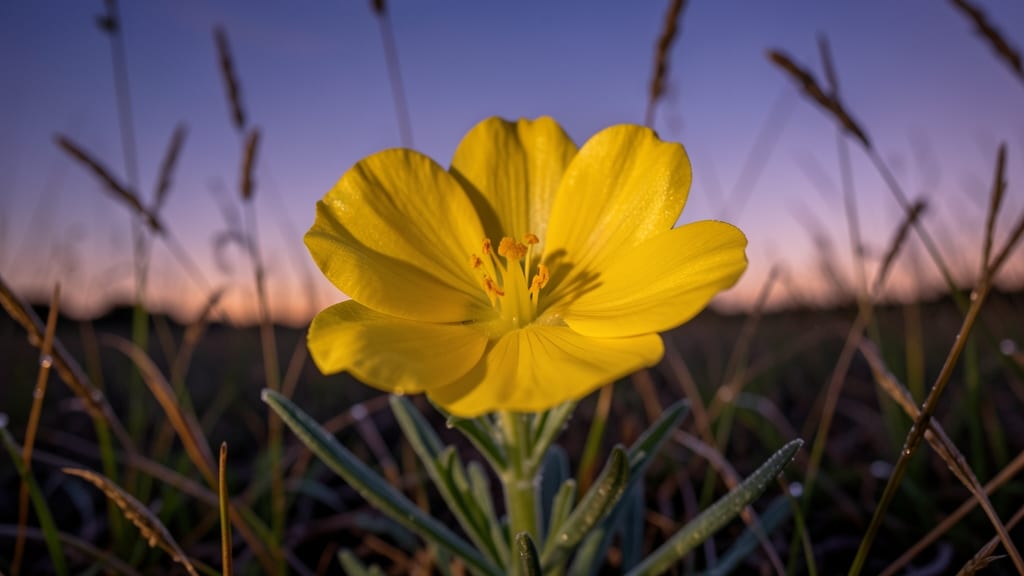
Want a flower that feels like sunshine even after dark? The evening primrose (Oenothera biennis) is a cheerful temperate-climate perennial that unfolds its sulphur-yellow cup-shaped blooms precisely at sunset, closing by mid-morning. Unlike its tropical cousins, this native North American beauty thrives in USDA zones 4-9 with minimal fuss.
Plant seeds directly in well-draining soil with full sun exposure—they self-sow prolifically, creating naturalized meadows over time. The flowers attract night-flying moths and bees, while the leaves are edible (young shoots taste like spinach). Deadhead spent blooms to encourage more flowers, but leave some for seed pods to feed birds in winter. Its year-round greenery provides structure even when not in bloom.
Perfect for wildflower gardens, pollinator habitats, or cottage-style borders, evening primrose is the ideal choice for gardeners who want low-maintenance beauty with a nocturnal twist. 🌻
Night-Blooming Jasmine with Intense Fragrance
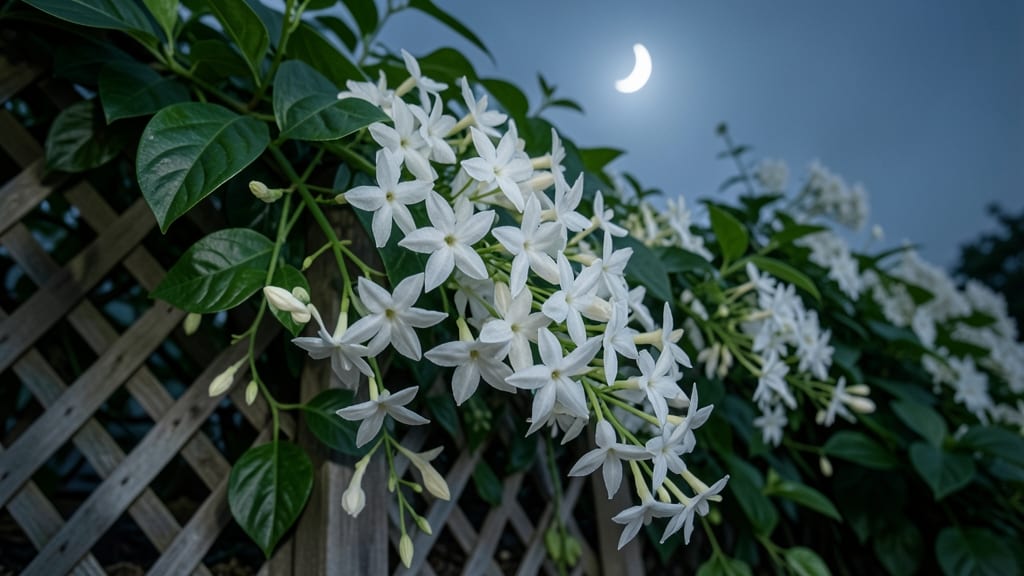
Transform your garden into a moonlit sanctuary with night-blooming jasmine, whose intoxicating fragrance peaks after dark. This deciduous climber (Jasminum sambac) isn't just a pretty face—it's a nighttime sensory experience that turns evening walks into fragrant journeys.
Plant it in well-draining soil with 6+ hours of sun and provide a trellis or fence for support. Prune after flowering to encourage bushier growth, and watch as its white, star-shaped blooms unfurl at dusk, releasing a scent so rich it can perfume an entire yard. The added bonus? It attracts moths and other night-flying pollinators, turning your garden into a nocturnal hotspot.
Perfect for romantic garden designs or moon gardens, this jasmine thrives in USDA zones 9-11 but can be grown in containers and overwintered indoors in cooler climates. 🌿
Four O'Clock Flower with Vibrant Red and Orange Petals
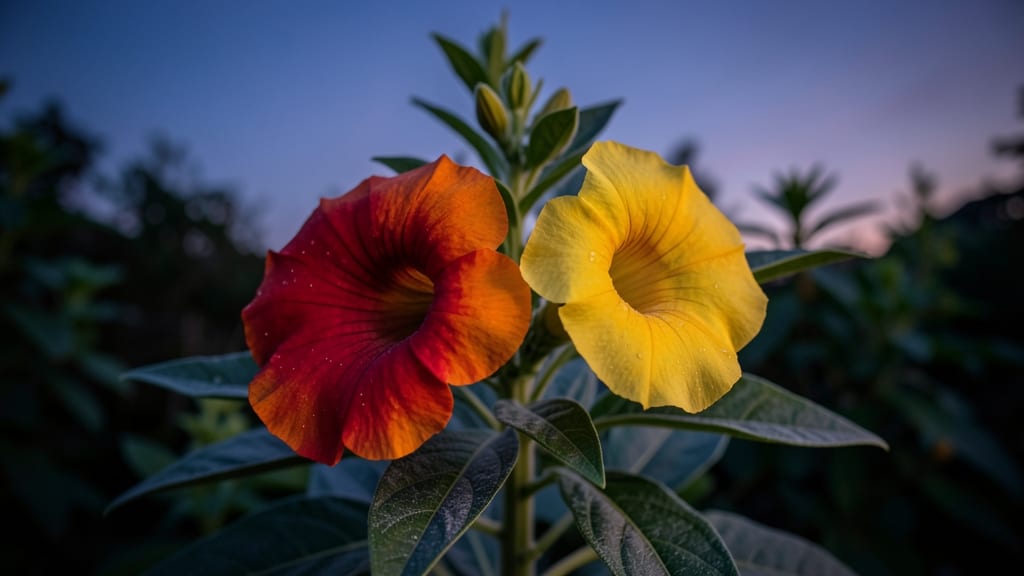
If you love bold colors that pop after the sun sets, the four o'clock flower (Mirabilis jalapa) is your perfect pick. Named for its habit of blooming precisely at 4 PM in its native tropical regions, this plant delivers vibrant red, orange, and sometimes yellow trumpet-shaped flowers that stay open until morning.
This hardy annual thrives in containers or garden beds with well-draining soil and full sun to partial shade. Its unique trait is producing flowers in multiple colors on the same plant—each bloom can be red, orange, or yellow! Deadhead spent blooms to encourage continuous flowering, and watch as your garden glows with color even after dark. 🌻
Urban gardeners and small-space growers will appreciate how easily this plant adapts to containers, while its striking colors make it a standout in moon gardens or evening patio displays. The only catch? It's toxic if ingested, so keep it away from pets and children. 🌷
Night-Scented Stock with Lavender-Purple Flowers
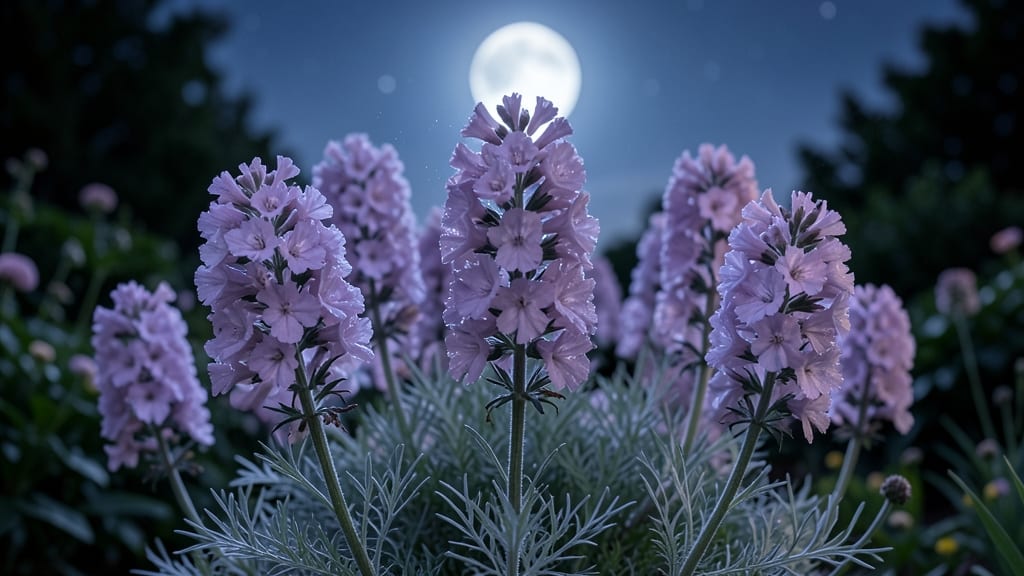
Transform your evening garden into a fragrant oasis with night-scented stock (Matthiola longipetala), a delicate annual that bursts into clusters of lavender-purple blooms after sunset. Unlike daytime flowers, this charming plant releases its sweet, spicy perfume precisely when most gardens grow quiet—making it perfect for twilight strolls or romantic outdoor dining areas.
Grow this drought-tolerant beauty in full sun to partial shade with well-draining soil, and enjoy blooms from midsummer through fall. The slender stems produce long-lasting cut flowers that hold their scent indoors for days, while their hummingbird magnet qualities make them a must-have for pollinator gardens. Deadhead spent blooms to encourage continuous flowering, and watch as the fragrance fills the air as dusk settles in.
Ideal for cottage gardens, container arrangements, or moonlit borders, night-scented stock is the perfect choice for gardeners who want low-maintenance elegance with a nocturnal twist. 🌷
Angel's Trumpet with Exotic White and Yellow Blooms
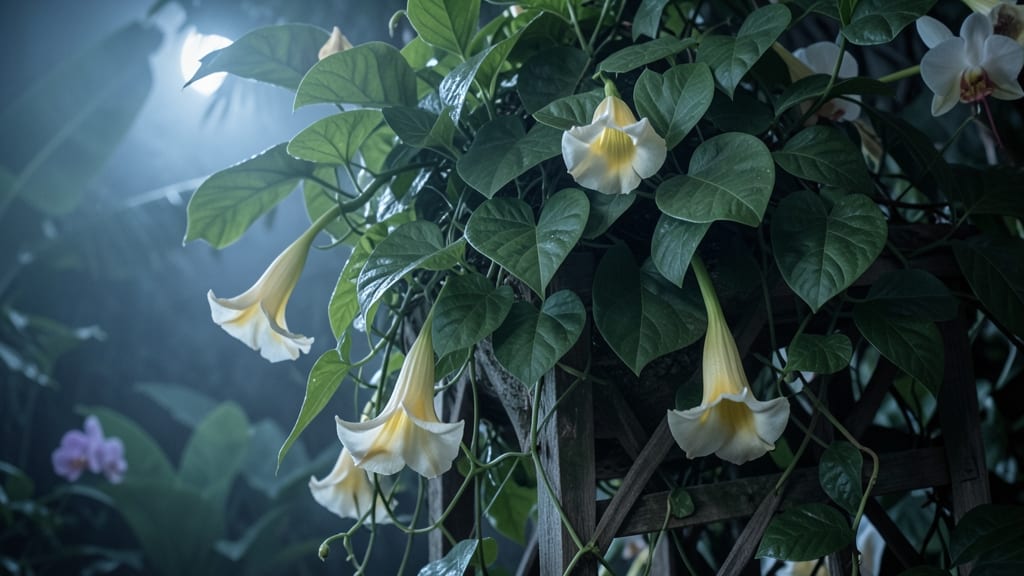
Transform your garden into a tropical sanctuary with the angel's trumpet (Brugmansia), a breathtaking vine that unfurls its large, trumpet-shaped blooms only after dark. Unlike daytime flowers, these exotic white and yellow blossoms release an intoxicating, sweet fragrance that perfumes the night air—perfect for creating a moonlit oasis in humid climates like zones 9-11.
This fast-growing vine thrives in partial shade to full sun and loves rich, well-draining soil. Train it up a trellis, fence, or let it sprawl as a specimen plant—just be cautious, as all parts are toxic if ingested. Water consistently to keep the glossy, waxy leaves lush, and prune leggy growth in spring to encourage bushier blooms. For maximum impact, plant near seating areas or pathways where you can savor its nighttime perfume.
Ideal for tropical gardeners or those seeking dramatic, low-light beauty, angel's trumpet adds a touch of jungle luxury to any space. Pair it with moonflowers for a dual-nighttime display that will leave your garden glowing after dark. 🌻
Evening Snapdragon with Fragrant Pink and White Flowers
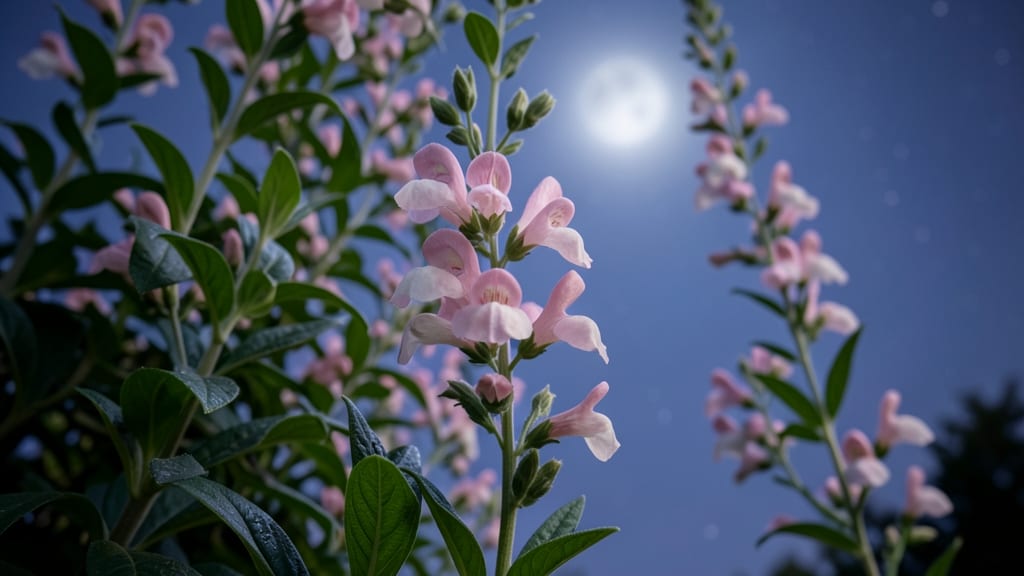
Looking to add vertical drama to your garden while supporting nighttime pollinators? The evening snapdragon (Antirrhinum majus 'Night Scent') is a game-changer with its fragrant pink and white tubular blooms that unfurl precisely after dark. Unlike daytime snapdragons, this unique variety stays closed during the day and opens its sweet-scented flowers at dusk, creating a magical display that attracts moths and hummingbirds.
Perfect for small spaces or vertical gardens, this variety thrives in full sun to partial shade and grows 18-24 inches tall with a compact spread. Plant seeds directly in well-draining soil, spacing them 12 inches apart, and deadhead spent blooms to encourage continuous flowering. Its drought-tolerant nature makes it ideal for xeriscaping, while its fragrant blooms add a sensory dimension to evening garden strolls.
Urban gardeners and pollinator enthusiasts will love how this snapdragon variety fills a niche in moon gardens or alongside other night-blooming plants. Its vertical growth habit also makes it perfect for trellises, containers, or as a border plant where it can cascade over edges. 💚
Night-Blooming Cereus Cactus with White Star Flowers
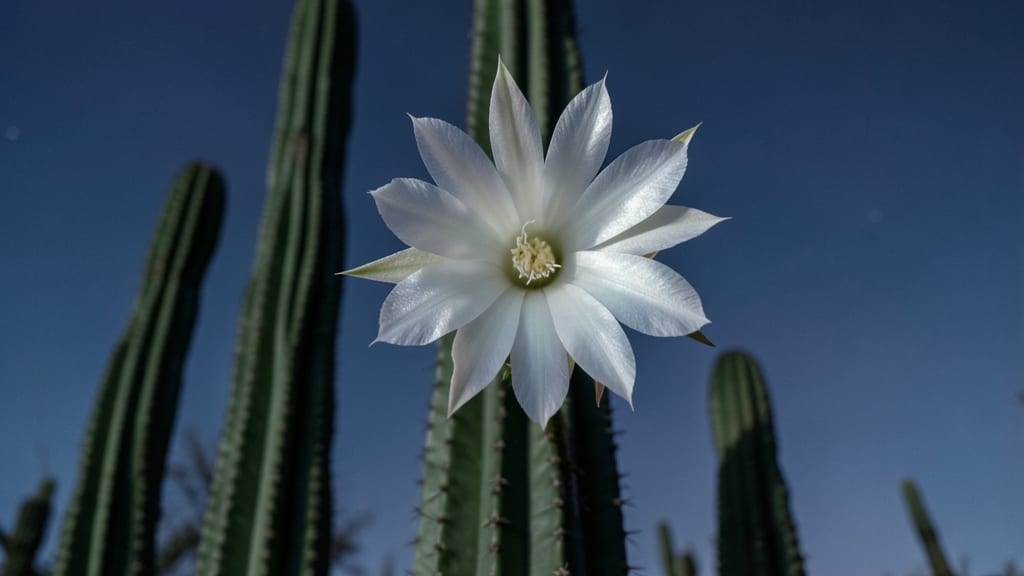
For gardeners who love the drama of the desert but crave a touch of moonlight elegance, the night-blooming cereus cactus (Selenicereus spp.) delivers a one-of-a-kind spectacle. Unlike its daytime counterparts, this stunning cactus unfurls large, star-shaped white flowers for just one magical evening each year—typically in late spring or summer—before its blooms wilt by morning.
Native to arid regions of Central and South America, this cactus thrives in full sun with minimal water, making it perfect for rock gardens, containers, or desert landscapes. Plant it in well-draining soil and avoid overwatering—its thick stems store moisture efficiently. The blooms appear on mature plants (3+ years old) and release a mild, sweet fragrance that perfumes the night air, attracting nocturnal moths and adding a touch of wilderness to your garden.
Ideal for low-maintenance collectors or those with desert-inspired spaces, this cactus turns your garden into a nocturnal wonderland with virtually no effort. Just be patient—its rare, fleeting blooms make every appearance feel like a special event. 🌻
Evening Primrose with Sulphur Yellow Flowers

Looking for a night-blooming flower that does double duty in your garden? The evening primrose (Oenothera biennis) isn't just a pollinator magnet—its seeds are packed with omega fatty acids, making them a nutritious addition to salads or smoothies. This hardy perennial unfurls its sulphur-yellow blooms precisely at sunset, closing by mid-morning, and thrives in USDA zones 4-9.
Plant seeds directly in well-draining soil with full sun exposure, and watch as it self-sows to create naturalized meadows. The flowers attract night-flying moths and bees, while the young leaves are edible (tasting like spinach). Harvest seeds when they turn brown for culinary use, or leave them for birds to enjoy in winter. Its year-round greenery adds structure to gardens even when not in bloom.
Perfect for permaculture gardens or pollinator-friendly landscapes, evening primrose offers both beauty and bounty. Whether you're a forager or a gardener, this versatile plant delivers nighttime magic with practical benefits. 🌱