
Blooming
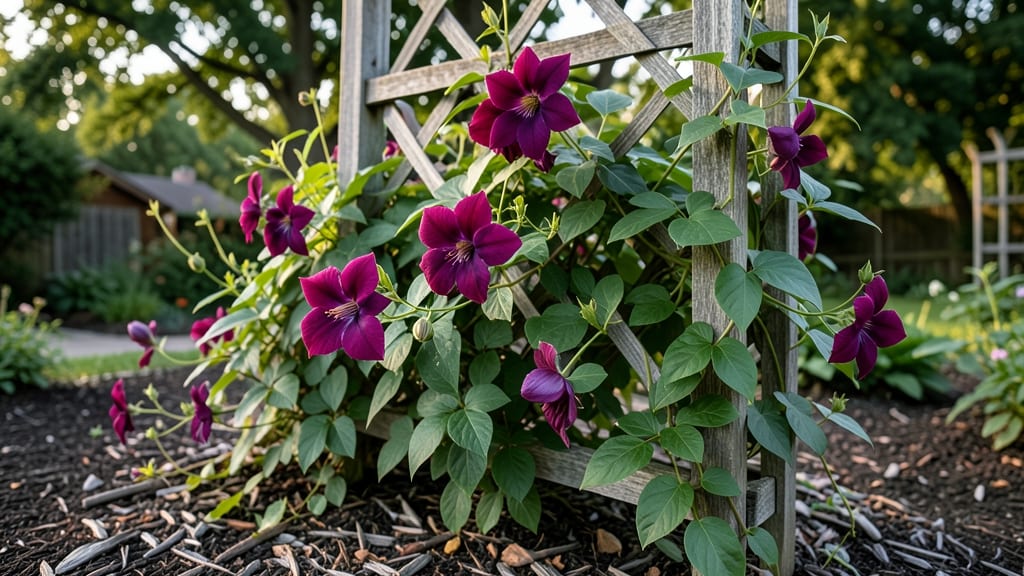
Nothing says summer like a trellis overflowing with vines that bloom all summer, especially when they’re heat-proof purple powerhouses. 🌿 I remember my first purple clematis—it kept blooming until frost, and the neighbors kept asking what it was.
The secret? Choosing reblooming varieties that thrive in heat and don’t need constant deadheading.
These vines aren’t fussy—just give them 6+ hours of sun, well-draining soil, and a sturdy trellis. Morning glories and passionflowers are annuals that self-seed like crazy, while clematis and wisteria come back year after year.
The key to nonstop blooms? Prune smart: cut back early-season flowers on clematis to encourage more later in the season.
Imagine your porch draped in lavender-purple blooms from June through September, humming with bees and butterflies. These vines climb vertically, saving space while adding drama—perfect for pergolas, arbors, or even a simple fence. And the best part? They’re tough enough to handle drought once established.
Whether you’re filling a small balcony or transforming a backyard, these vines deliver months of color with minimal effort. Let’s dive into the top picks that’ll make your summer garden the envy of the block.
📚 In This Guide
- What you need
- Instructions
- Tips and common mistakes
- Wrapping up and next steps
What you need
- ● Vine plants: 1–3 Clematis (e.g., 'Jackmanii,' 'Niobe,' or 'Durandii'—choose heat-tolerant varieties).
- ● 1–2 Wisteria (dwarf varieties like 'Amethyst Falls' for manageable growth).
- ● 1 Morning Glory or Sweet Pea (annuals for quick color).
- ● Soil: 5–10 gallons of well-draining potting mix (or garden soil amended with compost and perlite for aeration).
- ● Containers or garden space: Containers: 5–15 gallon pots with drainage holes (one per vine, or shared if vines are compatible).
- ● Garden beds: Sunlit area with 6+ hours of daily light and support structures (trellises, arbors, or fences).
- ● Fertilizer: Balanced 10-10-10 granular fertilizer (1 cup per plant at planting).
- ● Slow-release organic fertilizer (e.g., 1 lb of 3-4-6 formula for perennials).
- ● Watering supplies: Watering can or hose with a gentle spray nozzle (to avoid displacing soil).
- ○ Drip irrigation kit (optional, for consistent moisture).
- ● Garden tools: Trowel or small shovel.
- ● Pruning shears (sterilized).
- ● Gloves (for handling thorns or rough stems).
- ● Support structures: Trellis or arbor: 6–8 ft tall (metal, wood, or PVC).
- ● Twine or soft ties: For securing vines (avoid wire—it can damage stems!).
- ● Mulch: 2–3 inches of straw or wood chips to retain moisture and regulate soil temp.
- ● Heat shields: Lightweight shade cloth (30–50%) for afternoon sun protection in extreme climates.
- ● Epsom salt: 1 tbsp dissolved in water monthly (boosts magnesium for vibrant blooms).
- ● Decorative accents: Solar-powered garden lights or hanging feeders to attract pollinators.
- ● Plant markers: Label vines to track varieties and care needs.
How to select and grow heat-resilient purple-blooming vines for season-long color
Here’s how to choose the right vines and create a thriving summer display that keeps blooming until frost.
🌱 Step 1: Choose the Right Purple-Blooming Vines
For nonstop summer color, focus on heat-tolerant, reblooming varieties like clematis 'Jackmanii' or morning glories (Ipomoea purpurea)—both thrive in full sun and produce lavender-purple blooms for months. Avoid single-bloom vines; they’ll fade after their first flush. Clematis varieties like 'Niobe' or 'Purple Plume' are excellent choices because they rebloom prolifically with minimal care.
Check your hardiness zone—most reblooming purple vines need zones 4-9 for consistent performance. If you're in a hotter climate, opt for morning glories or sweet peas (Lathyrus odoratus), which handle 90°F+ temperatures better than clematis. Plant in well-draining soil to prevent root rot, which is the #1 killer of these vines.
☀️ Step 2: Plant in the Right Location for Maximum Heat Resilience
Position your vines in full sun (6+ hours daily) but provide afternoon shade in zones 9-10 to prevent wilting. A north-facing trellis or lattice keeps stems cool while still maximizing light exposure. I always plant mine near a west-facing wall—the afternoon heat reflects off the surface, creating a microclimate that extends the blooming season.
Dig a hole twice as wide as the root ball but only as deep as the container. This encourages root spread rather than settling too deep, which can suffocate stems. Mix compost into the native soil (about 1 part compost to 3 parts soil) to improve drainage and nutrient retention. Water deeply after planting to eliminate air pockets.
💧 Step 3: Water and Feed for Continuous Blooms
Water deeply 2-3 times per week until established (about 6-8 weeks), then taper to once weekly—unless your area experiences consistent 90°F+ heat, in which case increase to every 4-5 days. The key is deep soaking—water should penetrate 12-18 inches to encourage deep root growth. Shallow watering leads to weak stems and fewer blooms.
Fertilize monthly with a balanced 10-10-10 formula during the growing season (April-October). For clematis specifically, side-dress with bone meal in early spring to boost root strength. Stop fertilizing by mid-August to encourage hardier fall growth. Overfeeding late in the season can lead to tender new growth that won’t survive frost.
✂️ Step 4: Prune Strategically to Encourage Reblooming
Prune clematis in early spring (March) by cutting back last year’s stems to a strong pair of buds. For morning glories or sweet peas, prune only dead or crossing stems—these vines bloom on new growth, so aggressive pruning reduces summer color. Always use clean, sharp pruners to avoid tearing stems, which invites disease.
Deadhead spent blooms weekly to redirect energy into new flowers. For clematis, I pinch off the first 6-8 inches of growth in spring to force bushier stems. This technique works best when done within 2 weeks of new growth appearing. Avoid heavy pruning in summer—it stresses the plant and can halt blooming for weeks.
🪴 Step 5: Support and Protect for Long-Term Success
Install a strong trellis or arbor before planting—vines like clematis can reach 10-15 feet and need sturdy support. Use twine or soft ties to guide stems upward; avoid wire or anything that can cut into the bark. I like to weave bamboo stakes into the trellis for extra stability during windstorms.
Mulch with 2-3 inches of shredded bark around the base (keep mulch 6 inches away from stems to prevent rot). This retains moisture and regulates soil temperature. In zones 5-7, add a lightweight frost blanket in late fall to protect tender stems. Most reblooming vines are hardy to zone 4, but young plants benefit from extra insulation their first winter.
Tips & tricks for heat-resilient purple-blooming vines
These practical insights will help you maximize blooms and avoid common pitfalls with your summer vines.
Location Strategy: The west-facing wall trick I mentioned isn't just about heat reflection—it also creates a windbreak. If you don't have a wall, position your trellis near a fence or shrub that provides similar protection. Morning glories especially benefit from this shelter, as their delicate stems can snap in strong winds. I've seen vines thrive near garage walls or even large patio umbrellas that create microclimates.
Pruning Precision: When deadheading spent blooms weekly, focus on the entire flower head—not just the wilted petals. Leave a small stub (about 1/4 inch) to prevent disease entry points. For clematis, I use a pair of clean scissors rather than pruners to avoid crushing stems, which can lead to bacterial infections. This small detail makes a big difference in maintaining healthy foliage throughout the season.
Soil Preparation: Before amending your planting hole with the 1:3 compost-to-soil ratio, test your native soil's pH. Most purple-blooming vines prefer slightly acidic to neutral soil (pH 6.0-7.0). If your soil tests alkaline, mix in a bit of peat moss or sulfur to adjust the pH before planting. This simple test can prevent nutrient deficiencies that show up as yellowing leaves or poor blooming.
Heatwave Survival: During prolonged 90°F+ heatwaves, increase watering to every 4-5 days but switch to early morning watering. This prevents fungal issues from overnight moisture. I also recommend applying a 1-inch layer of straw mulch around the base (not touching stems) to shade roots and reduce evaporation. This technique can extend blooming by 2-3 weeks in extreme heat conditions.
Pro Tips for Vines That Bloom All Summer
- These practical insights will help you maximize blooms and avoid common pitfalls with your summer vines.
- Location Strategy: The west-facing wall trick I mentioned isn't just about heat reflection—it also creates a windbrea...
- Pruning Precision: When deadheading spent blooms weekly, focus on the entire flower head—not just the wilted petals. ...
Frequently asked questions
Got questions about keeping your garden bursting with color all summer long?
You’re not alone! Here are answers to the most common queries about vines that bloom all summer, from planting tips to troubleshooting tricks.
What are the best vines for nonstop summer blooms?
Top picks include Clematis (like 'Jackmanii' or 'Niobe'), Honeysuckle (e.g., 'Perennial Honeysuckle'), and Passionflower ('Maypop'). These thrive in heat, rebloom prolifically, and add drama with their purple, pink, or yellow flowers. For shade tolerance, try Campsis radicans (trumpet vine).
How do I keep these vines blooming all summer?
Consistent watering (1–1.5 inches per week) and regular pruning are key! Deadhead spent blooms to encourage new growth, and fertilize lightly with a balanced formula (10-10-10) every 4–6 weeks. Mulch around the base to retain moisture and protect roots from heat stress. Pro tip: Morning sun exposure boosts bloom duration!
Can I grow these vines in containers?
Choose compact varieties like Clematis 'Fascination' or Honeysuckle 'Dolgo', which work well in 10–15 gallon pots. Use well-draining soil, a trellis for support, and repot every 2–3 years. Containers dry out faster, so water daily in peak summer heat. Warning: Heavy vines may need sturdier pots or stakes.
Why aren’t my vines blooming as much as expected?
Common culprits include overcrowding, poor drainage, or nutrient deficiencies. Check for pests (aphids, spider mites) and treat with neem oil if needed. If blooms fizzle, prune back 1/3 of the vine to stimulate new growth. Quick fix: A phosphorus-rich fertilizer (like 5-10-5) can jumpstart flowering!
Are there low-maintenance alternatives for lazy gardeners?
Yes! Try Wisteria (drought-tolerant once established) or Star Jasmine ('Trachelospermum jasminoides'), which blooms lightly but reliably with minimal fuss. For zero-pruning options, Mandevilla (tropical vine) thrives in heat and rewards you with vibrant pink or red flowers—just keep it in full sun!
Wrapping up and next steps
Transforming your garden into a purple paradise that thrives all summer is easier than you think! These heat-resilient vines—like Clematis and Wisteria—bring nonstop color while demanding minimal fuss. With the right care, you’ll enjoy season-long blooms that turn heads and lift spirits.
Ready to get growing? Start by picking one vine from our top picks, gather your supplies, and dive in! Plant today—your future summer garden will thank you. 🌸✨