
Blooming
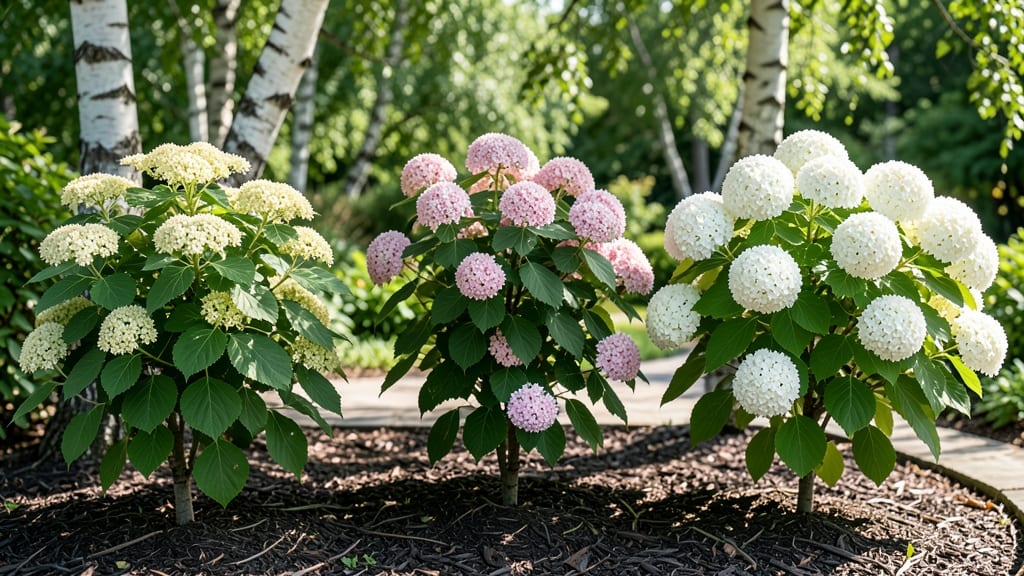
Viburnum bloom time typically arrives in early spring, but some cold-hardy varieties like Viburnum bodnantense surprise with winter flowers that defy frost 🌸. Wondering why your shrubs sometimes bloom late—or not at all—after a harsh winter? The secret lies in climate, pruning, and the right species.
If you’ve ever waited through a long winter only to see your viburnum skip blooms entirely, you’re not alone. Some varieties, like Viburnum x burkwoodii, bloom in March or April, while others, such as Viburnum carlesii, reward you with February flowers.
The key is understanding their unique timing—and how to encourage them to perform reliably, even in Zone 3.
In this guide, I’ll break down the bloom windows for frost-resistant viburnums, from December to late spring, and share practical tips to advance their flowering.
Whether you’re dealing with late bloomers or no blooms at all, you’ll learn how to adjust pruning, sunlight, and seasonal care for earlier, more abundant flowers.
From selecting the right variety for your climate to protecting buds from late frosts, you’ll gain the confidence to coax your viburnum into its best performance—no matter what winter throws at it.
When do Viburnum shrubs bloom? Seasonal timing by cold-hardy variety
If you've ever wondered why your viburnum shrubs bloom at different times each year—or why some varieties seem to defy winter—you're not alone.
Cold-hardy viburnums like Viburnum bodnantense and Viburnum carlesii are famous for their winter and early spring blooms, but their exact timing depends on your USDA hardiness zone, microclimate, and even last year's growing conditions.
These frost-resistant shrubs can transform a dull winter garden into a fragrant, colorful haven, but their bloom windows vary dramatically.
For gardeners in Zone 3–5, where winters are harsh, understanding these bloom patterns is key to planning your landscape. Some varieties, like Viburnum x burkwoodii, wait until late winter or early spring, while others, such as Viburnum bodnantense, burst into flower as early as December.
Even a single degree of temperature difference can shift bloom times by weeks, so knowing your local climate nuances is essential for timing pruning, fertilizing, and enjoying those fragrant blossoms at their peak.
Viburnum bodnantense, often called the winter viburnum, is a standout for its December–February blooms, making it a winter garden hero. Meanwhile, Viburnum carlesii (Korean spice viburnum) typically blooms from February to March, offering a burst of color just as spring approaches. These cold-hardy varieties are perfect for gardeners who crave color and fragrance when most plants are dormant.
The latitude effect plays a huge role in bloom timing. In northern climates (Zones 3–4), viburnums often bloom earlier to take advantage of brief warm spells, while in southern regions (Zones 6–7), they may delay until late winter or early spring.
A sheltered microclimate, such as a south-facing wall or a spot near evergreen trees, can also advance bloom times by 2–4 weeks by providing extra warmth and protection from harsh winds.
Key factors that influence bloom timing include:
- Chill hours: Viburnums need a certain number of cold hours to trigger blooming.
- Pruning timing: Pruning at the wrong time can delay or prevent flowers.
- Soil moisture: Drought stress can push back bloom times.
- Sun exposure: Too much shade can reduce flower production.
| Variety | Bloom Time | Zone Range | Key Features |
|---|---|---|---|
| Viburnum bodnantense | December–February | 3–7 | Fragrant pink buds, winter blooms, cold-hardy |
| Viburnum x burkwoodii | March–April | 4–8 | Purple-pink flowers, compact size, long bloom season |
| Viburnum carlesii | February–March | 3–7 | Spicy fragrance, early bloomer, deer-resistant |
| Viburnum plicatum (doublefile) | May–June | 5–8 | Layered branches, late spring blooms, great for hedges |
If you're in Zone 3 or 4, where winters are long and brutal, Viburnum bodnantense and Viburnum carlesii are your best bets for winter color. These varieties often bloom before the last frost, giving you a head start on spring.
In contrast, Viburnum x burkwoodii thrives in Zones 4–8 and typically blooms in late winter to early spring, making it a reliable choice for gardeners who want a longer bloom window.
For gardeners in Zones 5–7, where winters are milder, you might see Viburnum bodnantense bloom as early as January, while Viburnum plicatum (doublefile viburnum) waits until late spring.
The key to encouraging earlier blooms is to plant your viburnums in a sheltered location with well-draining soil and avoid over-fertilizing with nitrogen, which can delay flowering. A 3-inch layer of mulch around the base also helps regulate soil temperature, which can encourage earlier blooms in colder climates.
One common mistake is assuming all viburnums bloom at the same time. For example, Viburnum lantana (wayfaring tree) blooms in late spring to early summer, while Viburnum opulus (cranberrybush) typically blooms in May or June. Mixing these varieties in your landscape ensures a prolonged bloom season,
How to advance Viburnum bloom time: pruning, site selection, and frost protection
If your viburnum shrubs are playing hide-and-seek with their blooms, you’re not alone. Cold snaps, improper pruning timing, and poor site selection can delay—or even cancel—those fragrant flowers. The good news?
With a few strategic tweaks, you can push bloom time forward by 2–4 weeks, especially in Zone 4–7 gardens. Start by understanding that most viburnums flower on old wood, meaning last year’s growth holds next year’s buds.
For early bloomers like Viburnum bodnantense (winter-spring) or Viburnum x burkwoodii (late winter), timing is everything. A sheltered microclimate—like near a south-facing wall or under deciduous trees—can shield buds from late frosts.
Pair that with proper mulching (3–4 inches of organic mulch in fall) to insulate roots, and you’ll create the perfect conditions for buds to swell earlier in the season.
🌸 Top 3 Actions for Faster Viburnum Blooms
Let’s talk pruning, the most critical step for advancing bloom time. If you prune in dormant season (late winter), you risk cutting off next year’s flowers, since viburnums set buds on old wood.
Instead, wait until 2–4 weeks after blooming (May–June) to remove dead wood and thin out crowded branches. For reblooming varieties like Viburnum plicatum, you can lightly prune in summer after the first flush to encourage a second bloom.
Another game-changer? Frost protection for tender buds. Even cold-hardy viburnums can suffer if buds freeze before opening. In Zone 4–5, wrap young plants with frost cloth on sub-20°F nights or use row covers over clusters of buds.
For mature shrubs, a 3–4 inch layer of mulch (straw or shredded leaves) around the base acts like a root blanket, keeping soil temps stable and encouraging earlier bud break.
Don’t overlook the power of site selection. Viburnums thrive in partial shade (3–6 hours of sun), but they need morning sun to warm buds before afternoon shade cools them. Avoid low spots where cold air pools—instead, plant on a slight slope or near a south-facing wall.
If your yard is prone to late frosts, choose early bloomers like Viburnum carlesii (February–March) over later varieties.
For Zone 6–7 gardeners, where winters are milder, focus on watering consistency in late winter. A deep soak in February (before buds swell) can jumpstart growth. Pair this with a balanced fertilizer (10-10-10) in early spring to give roots the energy they need to push out flowers faster.
Just remember: less is more—over-fertilizing can lead to lush foliage but fewer blooms.
With these strategies, you’ll see earlier, more abundant blooms—and maybe even a second flush in summer for reblooming types. Start with one or two changes this season, like pruning at the right time or adding mulch, and watch your viburnums reward you with months-long color. Happy gardening! 🌿