
Blooming
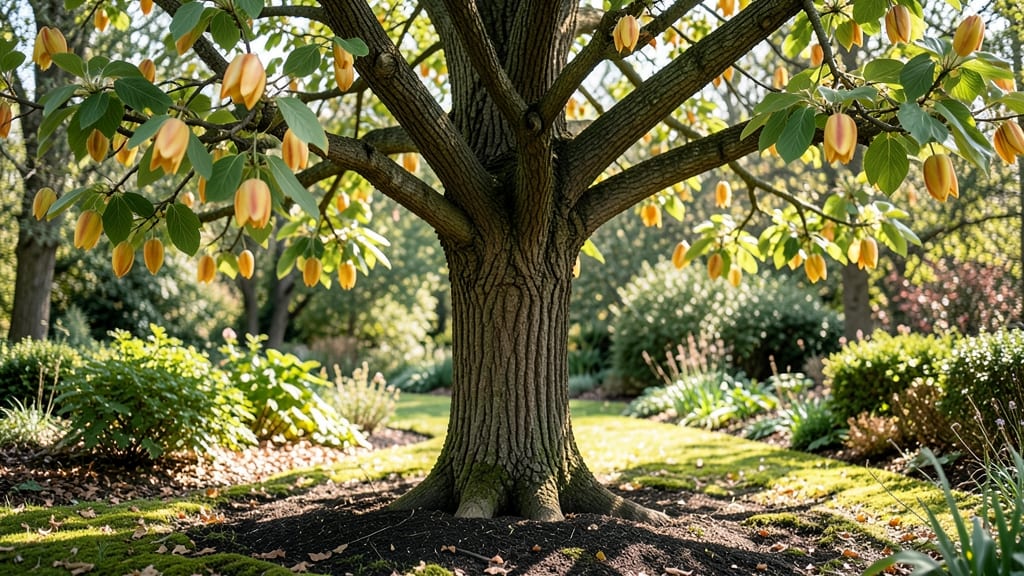
The tulip poplar blooms in late spring, typically between April and May in most regions, but the exact timing depends on where you live.
If you’ve ever wondered when those iconic tulip poplar flowers will burst into fragrant bloom, timing is everything—especially when planting in different USDA hardiness zones.
In Zone 6a, where these trees thrive, you can expect their show-stopping blooms around mid-April, but cooler climates may delay them until early May.
Below, I’ll break down how to predict bloom time in your area, what factors influence it, and how to ensure your 🌳 puts on its best floral show year after year.
Tulip poplar bloom time by USDA planting Zone: exact months to expect flowers
The tulip poplar (Liriodendron tulipifera) is famous for its showy, tulip-shaped blooms that appear in early spring. But the exact timing depends heavily on your USDA hardiness zone.
In colder zones like Zone 3-4, blooms typically arrive later due to frost delays, while warmer zones like Zone 8-9 often see flowers as early as February. Understanding these variations helps you plan planting, pruning, and landscape design for peak visual impact.
Climate plays a critical role in bloom timing. Southern states (Zones 7-9) experience milder winters, allowing tulip poplars to bloom 2-4 weeks earlier than their Northern counterparts. Meanwhile, Northern states (Zones 3-6) may see blooms delayed until late April or even May.
Even within the same zone, microclimates—like urban heat islands or sheltered valleys—can shift bloom windows by 10 days or more.
For optimal flowering, plant your tulip poplar in well-drained soil with full sun exposure (6+ hours daily). Young trees may take 3-5 years to reach full bloom potential, but mature specimens reliably produce flowers each spring.
Pruning in late winter (before buds swell) encourages healthier blooms, while avoiding heavy pruning during the growing season can prevent stress-related delays.
In Zone 3-4, where winters are harsh, tulip poplars often wait until late April or early May to bloom. This delay helps protect buds from late frosts, which can damage emerging flowers.
If you live in these zones, choose a south-facing planting site to maximize warmth and extend the bloom window. In Zone 5-6, blooms typically arrive in mid-April to late April, with early bloomers appearing as soon as late March in urban areas with heat island effects.
Gardeners in Zone 7 enjoy one of the best bloom windows, with flowers often appearing in early to mid-April. Coastal regions may see blooms as early as late March, while higher elevations could delay them until early May.
For Zone 8-9, the earliest blooms can occur in February, especially in southern Florida or California. These zones offer the longest bloom seasons, with some trees producing flowers for 4-6 weeks.
To encourage earlier blooms, mulch around the tree’s base with 2-3 inches of organic mulch (like wood chips) to insulate roots and regulate soil temperature. Avoid overwatering, as waterlogged soil can stress the tree and delay flowering.
Instead, water deeply once a week during dry spells, focusing on the root zone. Fertilize in early spring with a balanced 10-10-10 fertilizer to support vigorous growth and abundant blooms.
If you’re planting a tulip poplar for its flowers, time your purchase for fall planting (September-October) in most zones. This gives roots time to establish before winter, leading to stronger growth and earlier blooms the following spring.
In Zone 9, you can also plant in late winter (January-February) to take advantage of the mild climate. Always choose a well-drained site to prevent root rot, which can weaken the tree and reduce flowering.
Regional variations also matter. For example, tulip poplars in the Southeast (like Georgia or Alabama) often bloom 2 weeks earlier than those in the Northeast (like New York or Pennsylvania). Similarly, trees in Pacific Northwest zones may bloom later due to cooler, wetter springs.
Pay attention to local last frost dates and adjust your expectations accordingly. With the right care, your tulip poplar can become a fragrant centerpiece in your landscape for decades.
For gardeners eager to see blooms sooner, consider planting a young, mature-sized tree (3-5 years old) instead of a seedling. These trees often flower within 1-2 years of planting, compared to 5+ years for seedlings.
Pair your tulip poplar with early spring bloomers like daffodils or crocuses to extend your garden’s seasonal interest. With these tips, you’ll be ready to enjoy the
How to predict and extend tulip poplar flowering season in your region
Timing is everything when it comes to tulip poplar blooms, and while these trees naturally follow seasonal cues, you can influence their flowering window with smart gardening strategies.
The key lies in understanding how pruning, soil conditions, and watering schedules interact with your local climate to either advance or extend blooms.
For example, in USDA Zone 5, blooms typically appear in late April, but with the right adjustments, you might coax them to open a full 2 weeks earlier—just in time for spring festivals.
Start by observing your tree's natural rhythm. Tulip poplars bloom on new wood, meaning last year's growth produces this year's flowers. This makes late-winter pruning your secret weapon—cutting back overgrown branches in early February encourages fresh growth that flowers earlier.
Pair this with balanced fertilization (10-10-10 NPK) in early spring to give roots the energy they need for vibrant blooms.
- 🌱 Prune in late winter (Feb) to remove dead branches and encourage new growth for earlier blooms.
- 💧 Deep-water weekly in spring to prevent stress-induced dormancy that delays flowering.
- 🌿 Amend soil with compost (2-3 inches) to improve drainage and nutrient uptake.
- ☀️ Ensure full sun (6+ hours daily) to maximize photosynthesis for flower production.
- 🌳 Plant near companion trees like redbuds or dogwoods to extend visual interest across seasons.
Soil pH plays a surprisingly large role in bloom timing. Tulip poplars thrive in slightly acidic soil (pH 6.0-7.0), but many gardeners unknowingly plant them in alkaline conditions (pH 7.5+), which can delay flowering by up to 3 weeks.
Test your soil in fall and adjust with sulfur or peat moss if needed. Pair this with a 3-inch mulch layer of pine bark to retain moisture and regulate soil temperature—both critical for consistent blooming.
Watering isn’t just about quantity; it’s about timing. Morning watering (before 10 AM) prevents fungal diseases that stress the tree, while deep soaks (10-15L weekly) encourage root development for stronger blooms.
Avoid overhead sprinklers during peak bloom to preserve the tree’s signature fragrant flowers, which can wilt prematurely from excess moisture. In drought-prone zones (like Zone 7+), consider installing a drip irrigation system to maintain consistent moisture without overwatering.
Companion planting can also work wonders for extending your tulip poplar’s show. Pair it with early-blooming bulbs like daffodils (March) or crocuses (February) to create a layered display. These bulbs bloom before the tree’s flowers open, then fade as the poplar’s yellow-green blooms take center stage.
For a fall extension, plant Japanese maples nearby—their red foliage contrasts beautifully with the tree’s golden autumn leaves, keeping your landscape vibrant long after spring blooms.
Finally, don’t underestimate the power of seasonal pruning. Lightly prune spent flowers in early summer to redirect energy to root growth, which sets the stage for next year’s blooms. Avoid heavy pruning after mid-June, as this can remove next year’s flower buds.
With these strategies, you’ll not only predict your tulip poplar’s bloom time but also extend its flowering season by weeks—turning your yard into a fragrant spring sanctuary year after year.