
Blooming
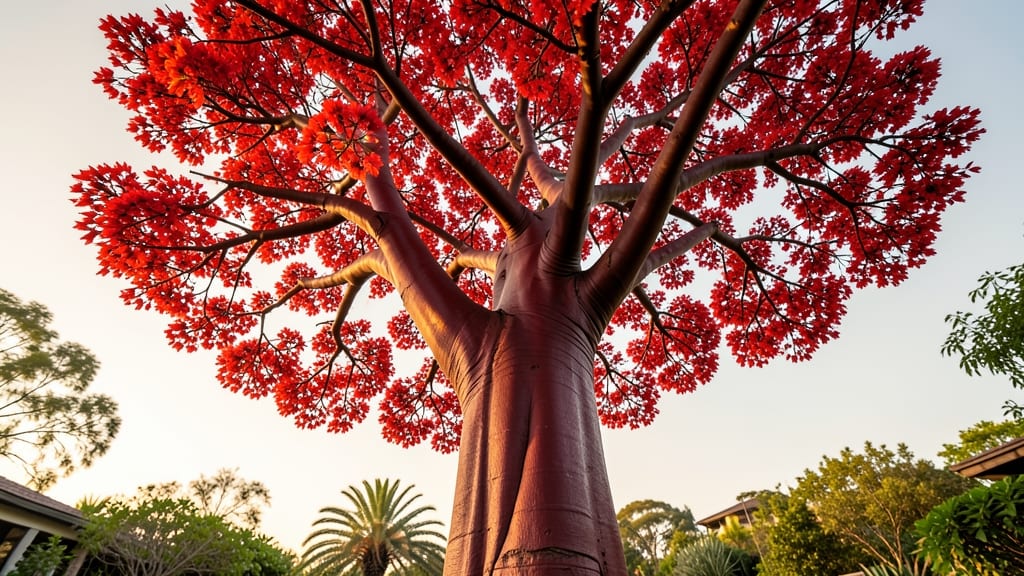
Transform your garden into a vibrant red floral paradise with these 10 stunning trees that bloom fiery red flowers. Whether you crave year-round color, drought-resistant beauty, or pollinator-friendly blooms, these trees deliver dramatic impact with minimal maintenance.
Crape Myrtle for Southern Gardens
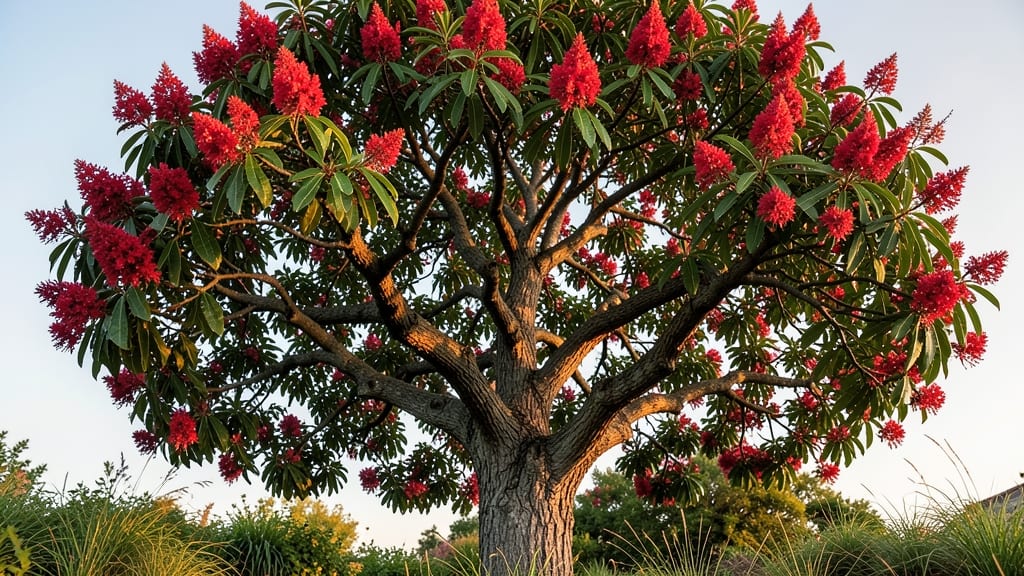
If you live in the South and want a red-flowering tree that thrives on neglect, crape myrtle is your perfect match. This heat-loving tree bursts into vibrant red blooms from mid-summer through fall, providing long-lasting color when other plants fade.
What makes crape myrtle truly special is its drought tolerance and ability to flourish in poor soil—no fancy amendments needed. Once established, it requires almost no pruning, though light trimming in late winter keeps its shape tidy. The delicate, paper-like blooms also attract hummingbirds, adding a lively buzz to your garden.
This low-maintenance beauty is ideal for gardeners who want bold red color without the upkeep. Plant it as a standalone specimen or along driveways for a classic Southern look. 🌻
Japanese Maple with Coral Bark
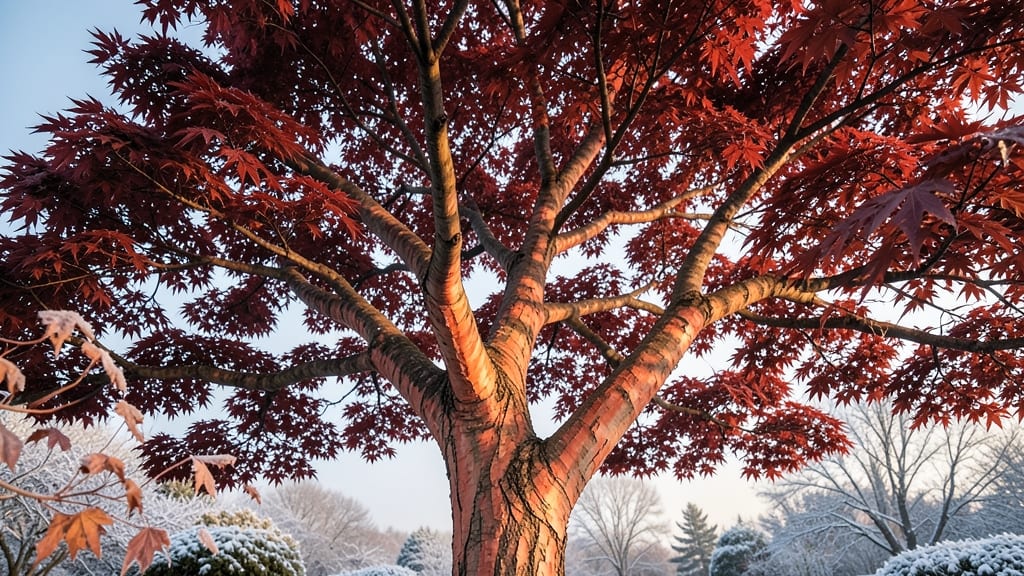
If you love color that lasts beyond summer, the Japanese Maple with Coral Bark is your year-round secret weapon. This stunning cultivar combines deep red foliage in spring and summer with coral-red bark that peels dramatically in winter, creating a winter wonderland effect even when other plants are dormant.
Thriving in partial shade to full sun, it’s ideal for small gardens where space is limited but drama is desired. The bark’s vibrant hue emerges as the leaves fade in autumn, ensuring your garden stays visually exciting through all four seasons. For best results, plant in well-draining, slightly acidic soil and mulch to protect the shallow roots.
Perfect for urban gardeners or anyone with limited space, this tree adds architectural interest without overwhelming the landscape. Its compact size (typically 15-25 feet tall) makes it a versatile choice for borders, specimen planting, or even container growing. 🌟
Redbud Tree for Early Spring
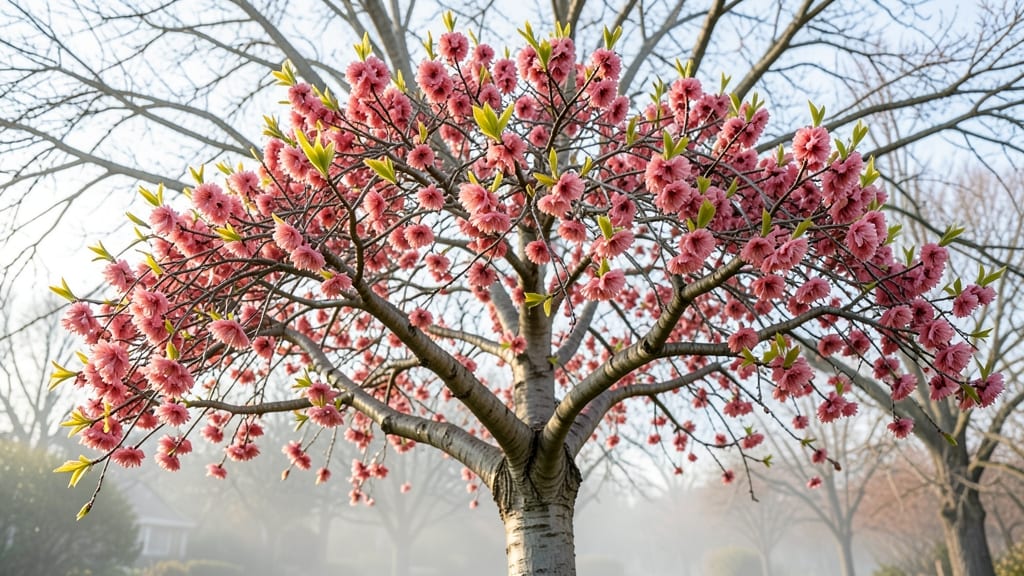
If you're eager to welcome spring with a burst of color, the redbud tree (Cercis canadensis) is your first bloomer. This small, deciduous tree lights up gardens in late winter or early spring with clusters of delicate pink-red flowers that appear before its heart-shaped leaves emerge.
Ideal for understory planting or woodland gardens, redbud thrives in partial shade and adapts to various soil types, making it perfect for wildlife-friendly landscapes. Its 20-30 foot mature height and low-maintenance nature also suit urban gardens or small yards. Plus, the tree's early blooms provide vital nectar for bees and butterflies when food is scarce.
Gardeners who love low-fuss, high-impact plants will appreciate how redbud effortlessly enhances any spring landscape. 🌷
Hibiscus Tree for Tropical Vibes
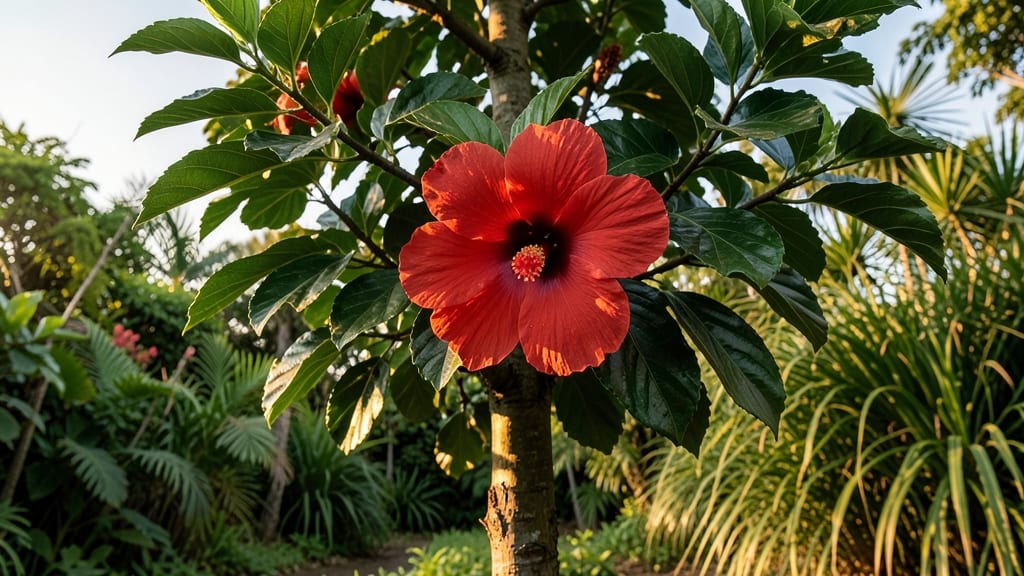
Want to instantly transform your landscape into a tropical paradise? The hibiscus tree delivers dinner-plate-sized red blooms that make every garden feel like a vacation destination. This fast-growing stunner reaches 10-20 feet tall, creating a dramatic focal point with minimal effort.
Thriving in USDA zones 9-11, this tropical beauty loves full sun and well-draining soil. For cooler climates, grow it in large containers and bring it indoors during winter. Deadhead spent blooms to encourage continuous flowering, and watch as hummingbirds flock to your yard. The deep green, glossy leaves add lush texture between blooms.
Perfect for coastal gardens, poolside plantings, or as a specimen tree in warm climates, the hibiscus tree brings bold, tropical drama with almost no maintenance. 🌻
Cornus Florida with Crimson Flowers
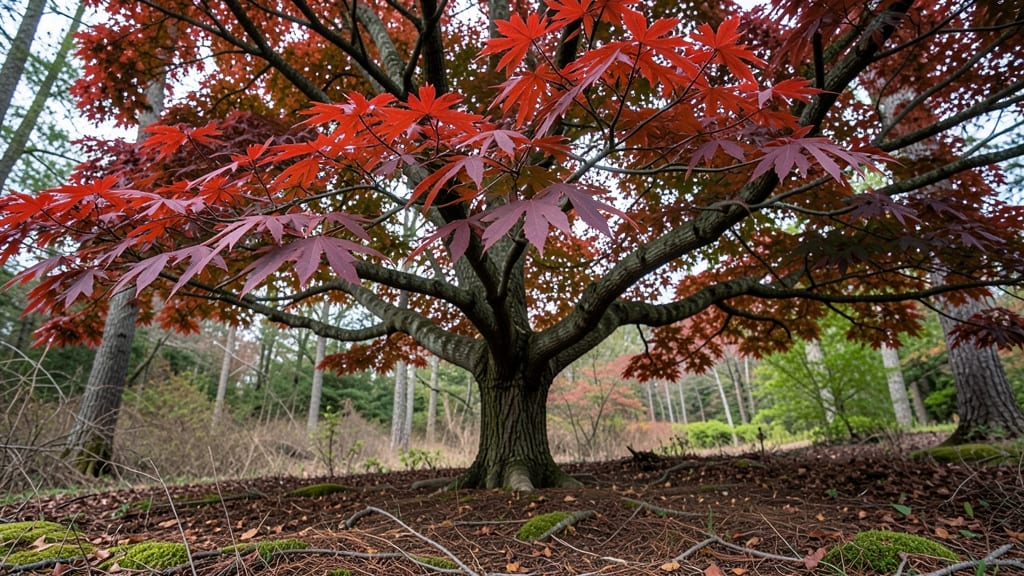
For gardeners who dream of a woodland escape without the upkeep, Cornus florida (flowering dogwood) delivers a two-season spectacle with minimal effort. This native North American beauty bursts into vibrant red blooms in late spring, followed by striking purple-red fall foliage that outshines many ornamental trees.
Thriving in partial shade to full sun, it adapts to most soil types and grows naturally in woodland understories, making it perfect for naturalistic landscapes. The tree's 20-30 foot mature height and layered branching create a graceful, multi-season focal point that pairs beautifully with ferns, hostas, and native shrubs. Its berries also provide food for birds, enhancing its ecological value.
Ideal for gardeners who love low-maintenance, high-impact plants with a native touch, dogwood thrives in both rural and suburban settings. Plant it as a specimen tree or along woodland edges for a touch of wild elegance. 🌿
Royal Poinciana for Bold Statements
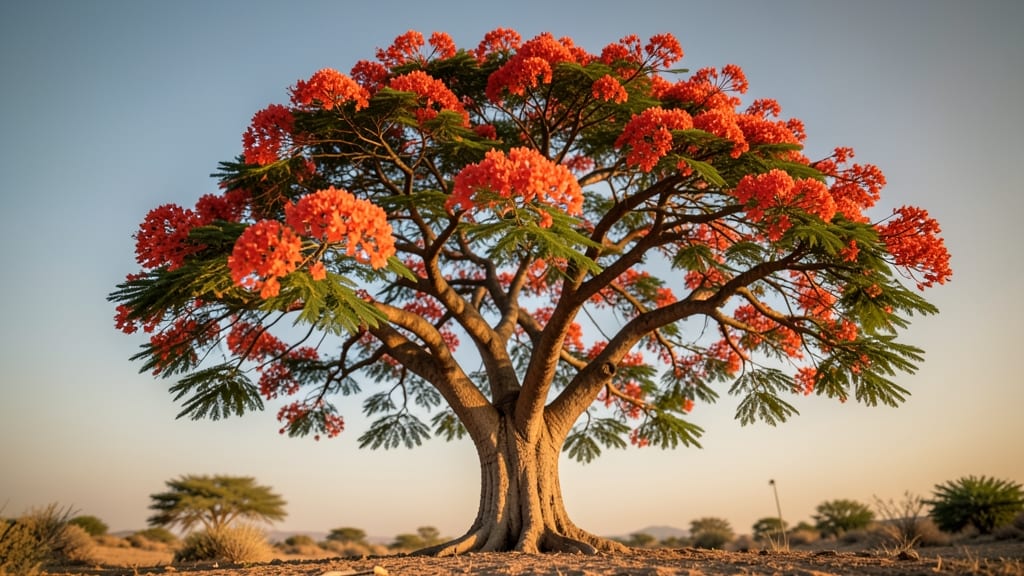
When you need a dramatic splash of color that defies drought and heat, the Royal Poinciana delivers a fiery red-orange explosion that outshines any other flowering tree. This desert native isn’t just a survivor—it’s a showstopper, transforming arid landscapes into vibrant canvases with its 3-inch-wide blooms that appear in spectacular clusters from spring through summer.
Thriving in USDA zones 9-11, this drought-resistant giant loves full sun and well-draining soil, making it perfect for Mediterranean or desert gardens where water conservation is key. Its golden-yellow foliage contrasts beautifully with the blooms, while its 30-40 foot mature height creates a stunning focal point. Just be prepared for its messy seed pods—they’re a trade-off for the breathtaking floral display.
Ideal for gardeners who want bold, high-impact color with minimal fuss, the Royal Poinciana is the ultimate statement tree for warm climates. Plant it as a solitary specimen or along driveways to create a sun-drenched spectacle that turns heads. ✨
Weigela with Crimson Blossoms
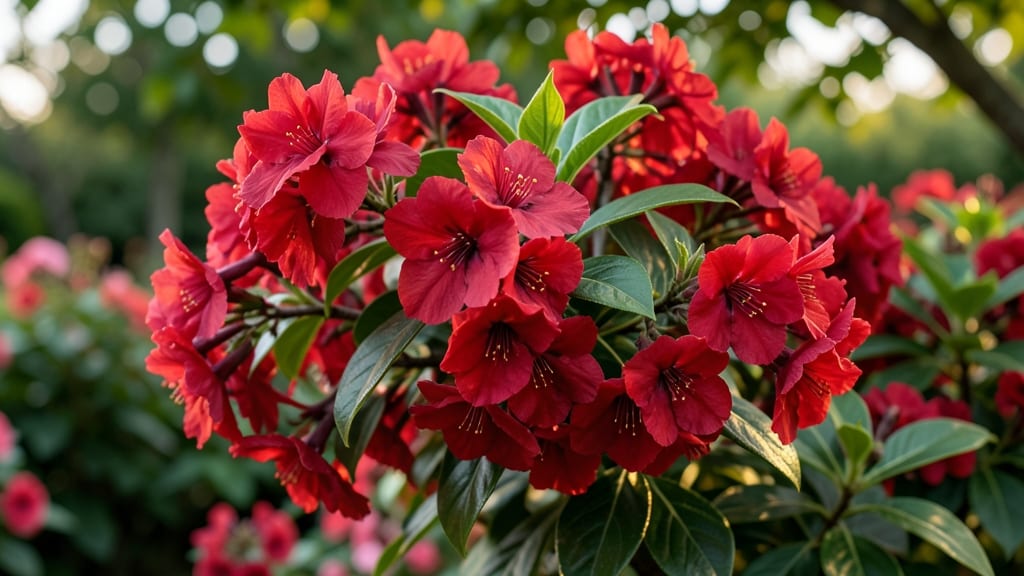
If your garden needs a repeat bloomer that packs a punch in small spaces, Weigela with crimson blossoms is your secret weapon. Unlike many trees that bloom just once a season, this shrub-sized beauty produces cascading clusters of fiery red flowers from late spring through summer, with sporadic blooms into fall—giving you months of vibrant color with minimal effort.
Thriving in full sun to partial shade, Weigela adapts to almost any well-draining soil and grows just 6-10 feet tall, making it perfect for urban gardens, cottage-style borders, or container growing. Its pollinator magnet status means hummingbirds and bees will flock to your yard, and the dark green foliage provides a lush backdrop for the blooms. Prune lightly after flowering to maintain shape and encourage bushier growth.
Ideal for gardeners who want low-maintenance, high-impact red blooms, Weigela delivers year after year with almost no fuss. Pair it with lavender or catmint for a pollinator powerhouse combo. ✨
Firethorn for Coastal Gardens
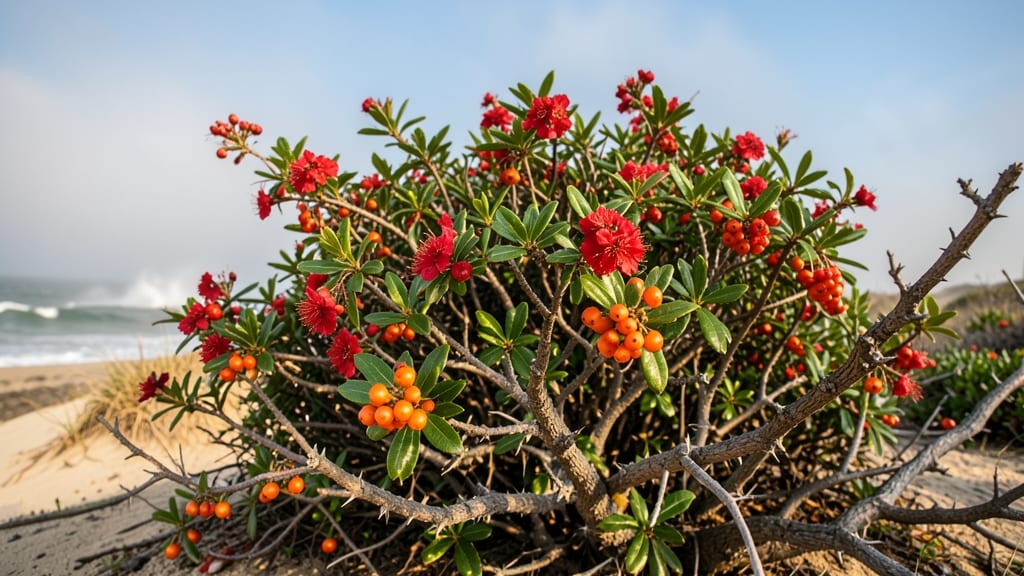
If your garden sits near the coast, where salt spray and wind challenge most plants, firethorn (Pyracantha) is your unsung hero. This salt-tolerant shrub thrives in seaside conditions, delivering clusters of vibrant red flowers in late spring followed by bright orange berries that persist through winter—a double dose of color when other plants fade.
Firethorn handles full sun to partial shade and tolerates poor, sandy, or alkaline soils, making it ideal for rocky coastal gardens. Prune lightly after flowering to maintain shape, and enjoy its wildlife benefits: the berries feed birds year-round, while the flowers attract pollinators. Its thorny stems also make it a natural, low-maintenance hedge for privacy or security.
Perfect for gardeners who want low-maintenance, high-impact plants that withstand harsh coastal climates, firethorn adds texture and color without fuss. 💚
Chinese Fringe Tree
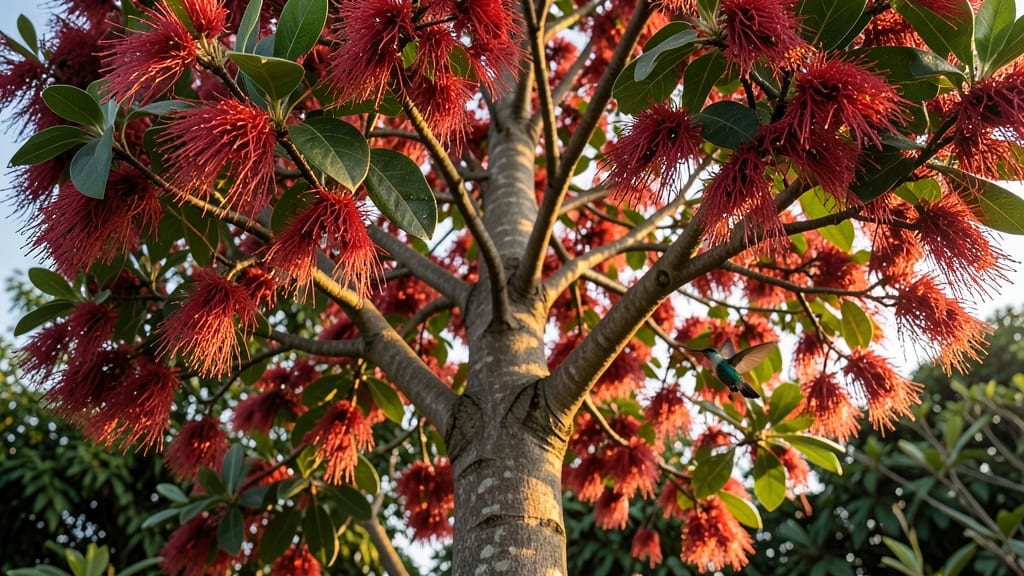
If you're craving summer color when most gardens are winding down, the Chinese fringe tree delivers a stunning late-season show with its fringe-like red flowers. Unlike early bloomers, this tree puts on its best display in July and August, filling the air with fragrance and attracting hummingbirds that flock to its nectar-rich blossoms.
This adaptable tree thrives in urban environments, tolerating pollution and compacted soil better than many ornamental species. It reaches 15-25 feet tall at maturity, making it ideal for medium-sized yards or as a focal point in city parks. The unique flower shape—resembling delicate lace—creates visual interest that lasts for weeks, while its disease-resistant foliage keeps it looking fresh with minimal care.
Perfect for urban gardeners or anyone wanting to extend their blooming season, this tree offers both beauty and practicality. Its ability to handle heat and drought once established makes it a low-maintenance star for summer gardens. 🌟
Red Flowering Gum for Unique Textures

Looking for a tree that makes a statement with both bold bark and fiery blooms? The red flowering gum (Corymbia ficifolia) brings exotic Australian drama to modern gardens with its smooth, deep red bark and clusters of bright red flowers that appear in late spring to summer. Unlike traditional flowering trees, this species offers year-round visual interest—its striking bark remains vibrant even when not in bloom.
Native to southwestern Australia, this tree thrives in full sun to partial shade and tolerates drought once established, making it ideal for low-maintenance landscapes. Its unique, bottlebrush-like flowers attract nectar-loving birds and bees, while the glossy green leaves add lush contrast. For best results, plant in well-draining soil and space 20-30 feet apart to showcase its architectural form.
Perfect for contemporary gardens or minimalist landscapes, the red flowering gum elevates any space with its textural contrast and bold color. Urban gardeners and modern designers will love how it pairs with sleek hardscapes or clean-lined plantings. ✨