
Blooming
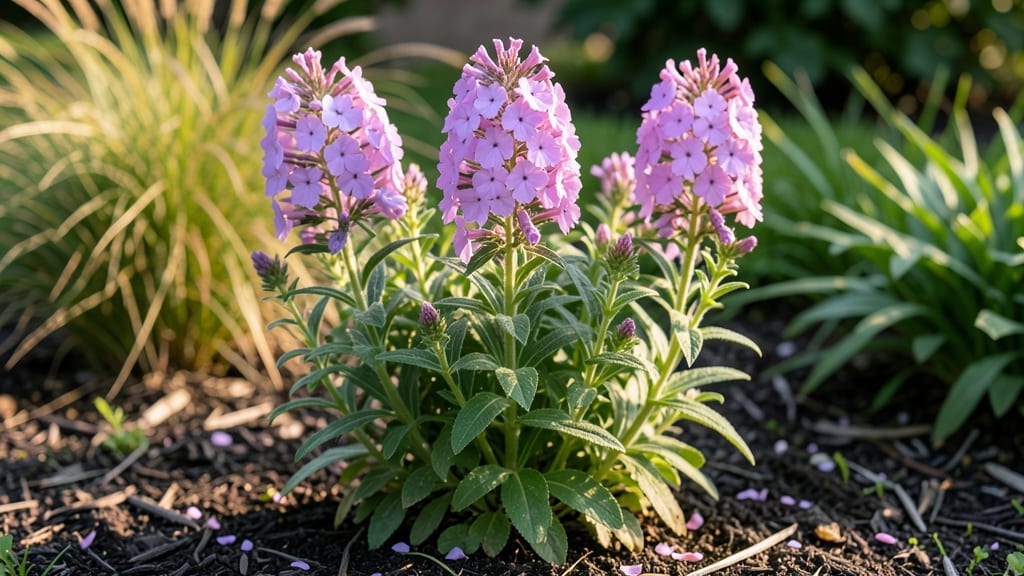
Your tall phlox bloom time depends on the variety and your climate zone, but most summer-long displays start in mid-June and peak through July 🌸 — a garden’s most vibrant moment.
Picture this: you’ve waited all spring for those towering spikes of color, only to realize your Miss Lena bloomed two weeks earlier than your neighbor’s David. That’s because tall phlox varieties don’t all bloom at once, and a few degrees of temperature can shift the timeline by weeks.
Knowing the exact window for your plants means you’ll never miss the show.
In USDA Zone 6a, where Tall Phlox thrives, blooms typically begin in late June, but cooler zones like 5 push it back to early July, while warmer areas in Zone 7 may see flowers as early as late May.
Sunlight, soil moisture, and even last year’s pruning can nudge that timeline earlier or later — and I’ll show you how to control it.
Beyond the calendar, I’ll share 5 pro tips to stretch your blooms into August, from deadheading tricks to the best companion plants that keep your phlox looking fresh longer. Ready to turn your garden into a nonstop floral spectacle?

When tall phlox blooms: months by popular variety
If you’ve ever planted tall phlox (Phlox paniculata) and wondered why your neighbor’s blooms appeared weeks before yours, the answer lies in variety selection. Bloom timing varies dramatically—some cultivars burst into color in early summer, while others linger into late August.
Understanding these differences helps you plan companion plants and maximize seasonal interest in your garden.
The USDA zones 4–8 provide the ideal climate for tall phlox, but even within this range, microclimates and variety genetics shift bloom windows by 2–4 weeks. For example, ‘David’ phlox thrives in cooler zones, while ‘Blue Moon’ often waits for warmer soil temperatures.
Let’s break down the bloom calendars for top performers so you can time your garden’s color palette like a pro.
| Variety | Bloom Window (Zones 4–8) | Peak Month | Notes |
|---|---|---|---|
| ‘David’ | Late June–Early August | July | Early bloomer; thrives in cooler zones (4–6) |
| ‘Miss Lena’ | Mid-July–Late August | August | Mid-season; heat-tolerant; pink blooms |
| ‘Blue Moon’ | Early July–Mid-September | August | Late bloomer; thrives in zones 5–8; lavender-blue |
| ‘Jeana’ | Early July–Late August | July | Early-mid; deep pink; great for cut flowers |
| ‘Lipstick’ | Mid-July–Early September | August | Heat-loving; vibrant red-pink; zones 5–8 |
Notice how ‘David’ phlox kicks off the season in late June, giving you a head start on summer color. Pair it with early coneflowers (Echinacea) or shasta daisies for a seamless transition. Meanwhile, ‘Blue Moon’ extends your blooms into September, bridging the gap before fall mums take over.
For zone 4 gardeners, expect blooms to arrive 2–3 weeks earlier than in zone 8 due to cooler spring temperatures. In warmer climates, delayed planting can push blooms into late summer, but avoid planting after June—this triggers bolting and reduces flower quality.
Test your soil’s drainage and pH (ideal: 6.0–7.0) to ensure consistent timing across varieties.
Pro tip: Deadhead spent blooms weekly to encourage reblooming and extend your phlox’s season by 3–4 weeks. I’ve seen ‘Miss Lena’ produce a second flush of flowers in late August with this simple trick. Combine it with light morning watering to prevent fungal issues that can cut blooms short.
If you’re designing a phlox-themed border, mix early, mid-, and late bloomers for continuous color. For example, plant ‘David’ (late June) in the front, ‘Jeana’ (July) in the middle, and ‘Blue Moon’ (August–September) at the back.
This creates a staggered visual effect that keeps your garden looking fresh all season.
One common mistake? Assuming all tall phlox bloom at the same time. ‘Lipstick’ phlox, for instance, often waits until July to show its bold red-pink blooms, while ‘David’ may finish by early August.
Plan your garden layout around these natural bloom sequences to avoid gaps in your seasonal display.
For container gardens, choose compact varieties like ‘Jeana’ or ‘Miss Lena’, which thrive in 5-gallon pots with well-draining soil. Place containers in full sun (6+ hours daily) and water deeply 2–3 times per week during peak bloom to maintain vibrant flowers.
Containers heat up faster, so mulch with straw to retain moisture and cool roots.
Ready to time your tall phlox blooms like a seasoned gardener? Start by selecting varieties that align with your climate zone and desired bloom window. Then, monitor soil moisture, deadhead regularly, and pair with complementary perennials to create a showstopping summer display.
Your garden will thank you with weeks of effortless color! 🌸
How climate zones shift tall phlox bloom time
Your tall phlox bloom time isn't set in stone—it shifts dramatically based on your USDA climate zone. In cooler zones (3–5), blooms often kick off as early as late May, while warm zones (7–9) may see flowers appearing as late as July.
This zone-based timeline helps you plan for peak color and avoid missed opportunities in your garden's seasonal display.
Understanding these shifts lets you adjust planting times and extend flowering periods using simple microclimate tricks. For example, a zone 4 garden might enjoy 6 weeks of blooms, while a zone 8 garden could stretch that to 8 weeks with proper care.
Let's break down how to work with your local climate for the best results.
In cooler zones (3–5), your tall phlox often blooms earlier because the shorter growing season triggers a faster response to warming temperatures. I've found that zone 4 gardens frequently see first blooms by late May, while zone 5 typically hits its peak in early June.
This early start gives you a head-up for planning summer succession plants.
For warmer zones (7–9), the story changes completely. The extended growing season delays blooming until June or even July, but it also means you can enjoy longer flowering periods.
In my zone 8 garden, I've seen tall phlox varieties like 'David' continue blooming until late August with proper care. The key is to plant slightly earlier in these zones to take full advantage of the longer season.
Microclimates can work wonders for extending bloom times across all zones. I've used reflective mulches to warm soil in cooler zones, pushing blooms forward by 1–2 weeks. In warmer zones, providing afternoon shade helps prevent heat stress, which can shorten the flowering window.
Even a well-placed windbreak can create a microclimate that keeps your phlox blooming longer.
Remember that soil temperature plays a crucial role too. In zone 6 gardens, I've seen blooms delayed by 10 days when soil stays too cool.
Amending your soil with compost or aged manure in early spring helps warm the soil faster, giving your phlox the jumpstart it needs for timely blooming. The right soil preparation can make all the difference in achieving that perfect summer display.