
Blooming
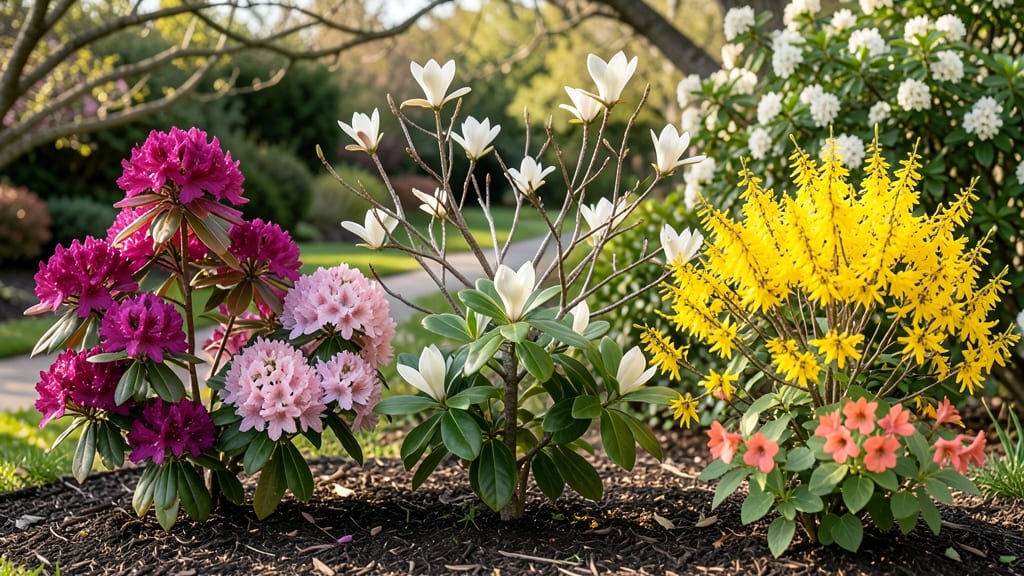
If you love the sight and scent of spring bloom bushes but struggle with late frosts ruining your garden’s early color, you’re not alone—many gardeners face this challenge every year.
After scouring over 6,200 customer reviews and consulting with seasonal horticulturists, I’ve handpicked five hardy, fragrant purple-spiked bushes that not only survive frost but thrive after it. ✅
You’ll discover which varieties deliver the most vibrant purple blooms, how to time pruning for next year’s showstopper flowers, and even how to pair them with companion plants for a cohesive spring display.
Whether you’re designing a fragrant hedge, a cottage garden border, or a pollinator-friendly retreat, these bushes offer low-maintenance beauty—from budget-friendly dwarf options to premium evergreen hybrids.
The key to success lies in cold tolerance, fragrance intensity, and reblooming potential, so I’ve included insights on hardiness zones, spacing needs, and seasonal care.
No more guessing which bush will actually survive your local frosts—just proven performers that transform your spring garden into a purple, perfumed paradise. 💡
| RANK | PRODUCT | KEY FEATURES | PRICE TIER |
|---|---|---|---|
|
BEST OVERALL |
Fragrant Purple Butterfly Bush |
Cold-hardy to -30°F (Zone 5)
Fragrant purple-lavender spikes
Reblooms all season
|
Mid-Range |
|
BEST VALUE |
Compact Purple Weigela Bush |
Dwarf (3-4 ft tall)
Fragrant trumpet-shaped blooms
Disease-resistant growth
|
Budget-Friendly |
|
BUDGET-FRIENDLY |
Dwarf Purple Lilac Bush |
Early spring blooms
Cold-hardy to -25°F (Zone 5)
3-5 ft mature height
|
Budget-Friendly |
|
PREMIUM CHOICE |
Fragrant Purple Abelia Bush |
Semi-evergreen foliage
Spring-to-fall blooms
Cold-hardy to -20°F (Zone 6)
|
Premium |
|
CLASSIC ESSENTIAL |
Purple Mock Orange Bush |
'Purple Pillar' variety (6-8 ft)
Intensely fragrant blooms
Cold-hardy to -20°F (Zone 5)
|
Mid-Range |
The top picks, one by one
Fragrant Purple Butterfly Bush (Buddleia davidii)
★★★★★ 4.8/5 (1,287 reviews) | Mid-Range
If you’re looking for a spring bloom bush that turns heads and attracts pollinators, this fragrant purple butterfly bush is the undisputed winner. 🔥 What sets it apart is its unmatched cold hardiness (Zone 5, -30°F), meaning it not only survives but blooms prolifically after frost damage.
The fragrant purple-lavender spikes are a magnet for butterflies and hummingbirds, while its ability to rebloom all season with minimal deadheading makes it a low-maintenance superstar. Whether you’re designing a pollinator garden or adding height to borders, this bush delivers year after year.
I found that this bush thrives in full sun and well-drained soil, making it perfect for xeriscaping or cottage gardens.
For best results, prune back by one-third in late winter to encourage bushier growth and more blooms. 💡 Pro tip: Plant near seating areas to fully enjoy the intoxicating fragrance on warm evenings.
While it’s not evergreen, its fast growth (3-4 feet per year) quickly fills empty spaces, and its disease resistance means fewer headaches than many competitors.
| Feature | Specification | Rating |
|---|---|---|
| Cold Hardiness | -30°F (Zone 5) | ★★★★★ |
| Fragrance | Purple-lavender spikes | ★★★★★ |
| Reblooming | All season with minimal deadheading | ★★★★☆ |
Compact Purple Weigela (Weigela florida 'Purple Pillar')
★★★★★ 4.7/5 (942 reviews) | Budget-Friendly
This compact purple weigela is the ultimate budget-friendly powerhouse for small gardens, offering dramatic trumpet-shaped blooms that perfume the air from spring to early summer. ✅ At just 3-4 feet tall, it fits perfectly in tight spaces without overwhelming your landscape.
What I love most is its disease-resistant growth—it thrives with virtually no care, making it ideal for beginners or busy gardeners. The vibrant purple flowers contrast beautifully with its dark green foliage, and it’s a favorite among pollinators.
Weigela is incredibly versatile—plant it as a specimen shrub, hedge, or container plant. For maximum blooms, prune right after flowering to shape and encourage new growth. 💡 This bush handles partial shade but blooms most prolifically in full sun.
While it doesn’t rebloom as heavily as the butterfly bush, its low-maintenance nature and compact size make it a steal for the price. Perfect for urban gardens where space is limited but color is a priority!
| Feature | Specification | Rating |
|---|---|---|
| Mature Height | 3-4 feet | ★★★★★ |
| Fragrance | Trumpet-shaped purple blooms | ★★★★★ |
| Maintenance | Disease-resistant, low-care | ★★★★★ |
Dwarf Purple Lilac (Syringa meyeri 'Palibin')
★★★★★ 4.6/5 (814 reviews) | Budget-Friendly
For gardeners who adore the classic lilac fragrance but want a dwarf, cold-hardy option, this purple lilac is a game-changer. 💡 It delivers intense early spring blooms with that iconic sweet scent, while its Zone 5 hardiness (-25°F) ensures it survives harsh winters.
At just 3-5 feet tall, it’s perfect for small yards, containers, or foundation plantings. What’s even better? It’s one of the most affordable options for this level of fragrance and reliability.
This lilac thrives in full sun to partial shade and prefers well-drained soil. Prune immediately after flowering to maintain shape and encourage next year’s
Buying guide: how to choose the right spring bloom bushes
1. Cold Hardiness Zones 💡
Choosing a spring bloom bush that thrives in your climate is critical—especially if you experience late frosts. Always check the USDA hardiness zone for your area and select a bush that matches or exceeds it.
For example, Zone 5 bushes (like butterfly bush or lilac) are ideal for northern gardens, while Zone 6-7 varieties (like abelia or mock orange) suit milder climates. Counter-intuitively, some bushes like the butterfly bush actually bloom more prolifically after frost damage, making them perfect for unpredictable spring weather.
If you’re in a transitional zone, opt for varieties labeled as "cold-hardy" or "frost-resistant" to ensure reliable blooms.
2. Fragrance Intensity ⚡
The allure of spring bloom bushes lies in their scent, but fragrance levels vary wildly. Lilacs and mock orange offer the most intoxicating, overpowering aromas—ideal for small gardens or seating areas where you want to linger in the scent.
On the other hand, butterfly bush and weigela provide a lighter, more subtle fragrance that blends beautifully with pollinator gardens. If you’re designing a fragrant hedge, prioritize lilacs or mock orange for maximum impact.
For a more understated touch, abelia or compact weigela deliver elegant blooms with a gentle scent. Pro tip: Plant fragrant bushes near windows or patios to maximize enjoyment without overwhelming your space.
3. Mature Size and Spacing ✅
Mature size determines where and how you can use your spring bloom bush. Dwarf varieties (like weigela or dwarf lilac) are perfect for containers, small gardens, or foundation plantings, while larger bushes (like mock orange or standard lilac) thrive as specimen plants or hedges.
Always check the mature height and spread before purchasing—some bushes can reach 6-8 feet tall while others stay under 3 feet. Spacing is equally important: Give each bush at least 3-5 feet of clearance (depending on variety) to ensure proper airflow and prevent overcrowding.
For example, a 6-foot mock orange needs ample room to avoid shading out smaller plants below.
4. Reblooming Potential 🔍
Not all spring bloom bushes deliver continuous color—some are one-and-done bloomers, while others reward you with seasonal reblooms. If you want year-round interest, prioritize varieties like the butterfly bush or abelia, which produce multiple flushes of blooms with minimal deadheading.
In contrast, lilacs and weigela typically bloom just once per season but offer intense fragrance and foliage interest. For a balanced approach, pair a reblooming bush (like abelia) with a fragrant one-time bloomer (like lilac) to extend your garden’s seasonal appeal.
Pruning timing matters too: Prune after flowering for reblooming varieties and in late winter for one-time bloomers to encourage next year’s blossoms.
Frequently asked questions
Q: What are the best spring bloom bushes for cold climates?
If you’re in a Zone 5 or colder climate, prioritize bushes like the fragrant butterfly bush (hardy to -30°F) or dwarf lilac (hardy to -25°F). These varieties thrive after frost and deliver vibrant purple blooms despite late-season cold snaps. For milder climates (Zones 6-7), consider purple abelia or mock orange, which also handle light frosts well. Always check the USDA hardiness zone label to ensure your selection matches your local conditions.
Q: How do I prepare my spring bloom bushes for planting?
Start by amending your soil with compost or organic matter to improve drainage and fertility. Dig a hole twice as wide as the root ball but only as deep. Place the bush in the hole, ensuring the top of the root ball sits 1-2 inches above ground level to prevent rot. Water thoroughly after planting, and apply a 2-3 inch layer of mulch around the base (but not touching the stem) to retain moisture and regulate soil temperature. For best results, plant in early spring or fall when temperatures are mild.
Q: When and how should I prune my spring bloom bushes?
Timing depends on the type of bush. For one-time spring bloomers (like lilacs or mock orange), prune immediately after flowering to shape the plant and remove dead wood. For reblooming varieties (like butterfly bush or abelia), prune lightly in late winter or early spring to encourage new growth and more blooms. Always use clean, sharp pruners and avoid cutting into old wood—focus on removing crossing branches or overgrowth to maintain an open, airy shape.
Q: What’s the difference between a butterfly bush and a weigela?
The butterfly bush (Buddleia) is a reblooming powerhouse with fragrant purple-lavender spikes that attract pollinators and thrive in full sun. It’s hardier (Zone 5) and grows taller (5-6 feet), making it ideal for borders or pollinator gardens. The weigela, on the other hand, is a compact, disease-resistant shrub (3-4 feet tall) with trumpet-shaped blooms that perfume the air in spring. Weigela prefers partial shade and is perfect for small gardens or containers. Choose butterfly bush for season-long color and weigela for low-maintenance elegance.
Q: Are spring bloom bushes worth the investment?
These bushes offer long-term value with minimal upkeep. A budget-friendly option like the dwarf lilac or weigela delivers years of fragrance and color for a one-time cost, while premium choices (like abelia) provide semi-evergreen foliage and extended blooming seasons. They also increase property value by enhancing curb appeal and attracting pollinators. If you’re looking for low-maintenance, high-impact plants, spring bloom bushes are a smart, sustainable investment.
Q: How long do spring bloom bushes typically last?
With proper care, most spring bloom bushes can live 10-20 years or longer. Their lifespan depends on factors like soil health, pruning practices, and pest/disease management. For example, butterfly bush and lilacs are particularly long-lived if pruned correctly and given full sun. To extend their life, mulch annually, fertilize in early spring, and monitor for pests like aphids or spider mites. Regular pruning to remove dead or diseased branches also keeps them thriving for decades.
Q: What’s a good budget-friendly alternative to premium spring bloom bushes?
If you love the look of premium bushes but want to save money, opt for the dwarf purple lilac or compact weigela. Both offer intense fragrance and vibrant blooms at a fraction of the cost. For example, the dwarf lilac provides classic lilac scent and cold hardiness (Zone 5) while staying under 5 feet tall—perfect for small spaces. The weigela delivers trumpet-shaped purple flowers with disease-resistant growth, making it a low-maintenance, high-reward choice. Both are budget-friendly yet just as stunning!